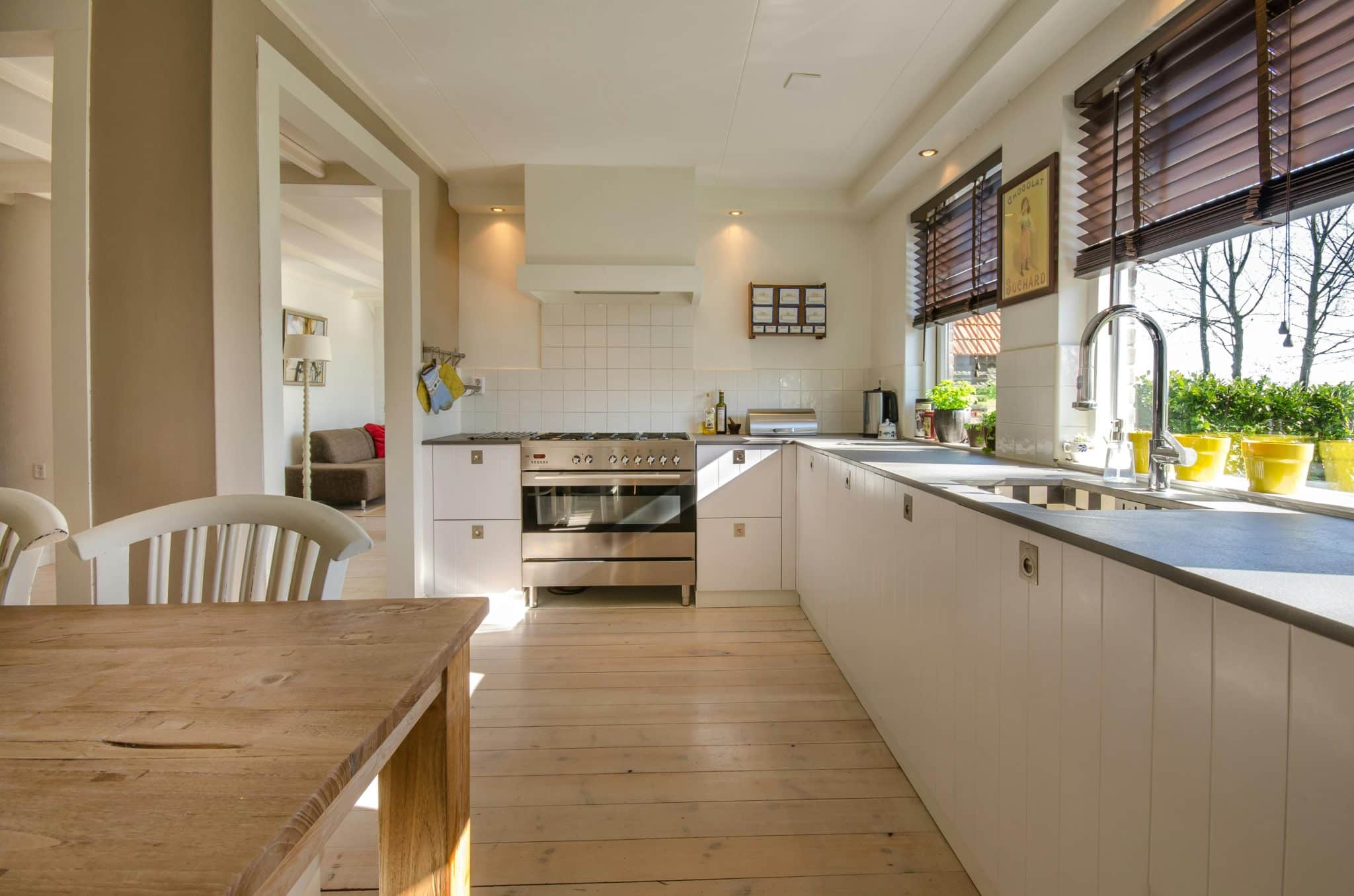

Kitchen backsplashes have evolved from purely functional splash guards into prominent design features that define a space’s character and style. This vertical canvas between worktops and wall cabinets offers exceptional opportunities for creative expression, colour introduction, and textural interest within kitchens dominated by larger, typically neutral surfaces. Yet the sheer variety of materials, patterns, colours, and installation approaches can overwhelm homeowners attempting to select designs that balance aesthetic appeal with practical performance. Understanding current trends, timeless approaches, and how different materials and layouts impact overall kitchen design empowers informed decisions that create backsplashes you’ll love for years. Whether renovating completely or refreshing tired spaces through focused updates, thoughtfully designed backsplashes deliver disproportionate visual impact relative to their modest square footage and investment.
Material Selection and Aesthetic Impact
Understanding Material Characteristics
Backsplash materials vary dramatically in appearance, maintenance requirements, durability, and cost. Traditional ceramic tiles offer affordability, extensive colour and pattern options, and proven durability, making them perennially popular choices. Natural stone including marble, granite, and slate provides organic beauty and unique character, though typically requiring more maintenance and careful sealing. Metal tiles deliver contemporary industrial aesthetics with reflective properties that enhance light, whilst solid surfaces create seamless, grout-free installations.
Each material contributes distinct visual character beyond mere colour and pattern. Glossy finishes reflect light and create depth, making them particularly effective in smaller or darker kitchens. Matte surfaces absorb light for subtle sophistication, whilst textured options add tactile dimension that enriches visual interest. Understanding these characteristics helps identify materials that deliver both the aesthetic and practical performance your specific kitchen requires.
Comparing Popular Tile Options
The choice between different tile materials significantly impacts both immediate appearance and long-term satisfaction. When considering options, many homeowners debate between glass or ceramic tiles, each offering distinct advantages. Glass tiles provide luminous, light-reflective qualities that brighten spaces whilst resisting stains and moisture exceptionally well. Their non-porous surface makes cleaning effortless, though installation requires specific adhesives and careful technique to prevent visible inconsistencies.
Ceramic tiles offer broader design variety at typically lower costs, with countless colours, patterns, sizes, and finishes available. Their versatility accommodates diverse aesthetic approaches from traditional to contemporary, whilst proven durability and straightforward installation make them accessible choices for various budgets and skill levels. Porcelain tiles, a denser ceramic variant, provide enhanced water resistance and durability particularly valuable in high-use kitchens.
Layout Patterns and Visual Interest
Classic and Contemporary Arrangements
Tile layout dramatically influences visual impact regardless of specific material or colour choices. Subway tile arrangements—rectangular tiles laid in running bond patterns—deliver timeless appeal that suits traditional and contemporary kitchens equally well. This classic approach provides clean, unfussy backgrounds that allow other design elements to shine whilst maintaining visual interest through subtle shadow lines between tiles.
Herringbone and chevron patterns introduce dynamic visual movement through angled tile placement that draws the eye and creates sophisticated complexity. These arrangements work particularly effectively with subway tiles or narrow planks, transforming simple materials into striking features through layout creativity alone. Vertical stacking creates modern linear emphasis, whilst diagonal orientations add energy and visual expansion to cramped spaces.
Mosaic Designs and Accent Features
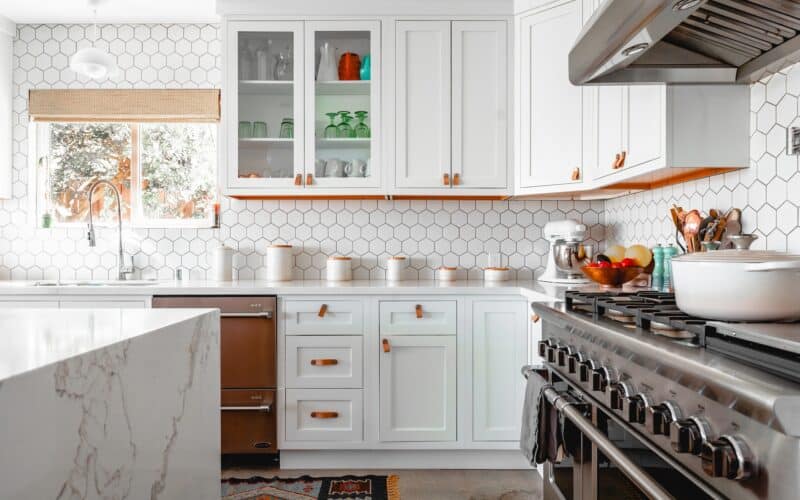
Small mosaic tiles enable intricate patterns, colour gradations, and detailed designs impossible with larger formats. Available in sheets for manageable installation, mosaics create textured, jewel-like surfaces that become genuine focal points. Penny rounds, hexagons, and geometric mosaics suit contemporary aesthetics, whilst traditional glass and stone mosaics complement classical design approaches. Scale proves crucial—busy mosaic patterns can overwhelm small kitchens, whilst they provide welcome complexity in expansive spaces.
Accent strips or feature sections incorporating contrasting materials, colours, or patterns add visual interest without overwhelming. A decorative border at worktop level, vertical accent strips flanking the cooker, or a patterned section centred behind the hob creates focal points that break up expansive backsplash areas. These strategic accents allow incorporating bolder choices that might prove excessive across entire backsplashes.
Colour and Pattern Strategies
Complementing Overall Kitchen Design
Successful backsplash colour selection considers existing cabinetry, worktops, flooring, and overall colour schemes. Neutral backsplashes in whites, greys, or soft beiges provide safe, versatile backgrounds that work with evolving décor whilst maintaining resale appeal. These understated approaches allow cabinetry and worktops to dominate visually, creating calm, cohesive environments that many buyers prefer.
Conversely, vibrant backsplashes introduce personality and colour into kitchens with neutral cabinetry and worktops. Bold blues, greens, or even dramatic blacks create striking contrasts that energise spaces and express personal style. This approach proves particularly effective in predominantly white or grey kitchens where colour injection prevents sterile coldness. However, strong colours require confident commitment as they define spaces more permanently than easily changed accessories or paint.
Pattern Scale and Visual Balance
Pattern scale significantly impacts how backsplashes relate to surrounding elements. Large-scale patterns suit spacious kitchens where they read clearly without overwhelming, whilst delicate patterns and small motifs work better in compact spaces where bold designs might dominate oppressively. Consider viewing distances—patterns appearing subtle in showrooms may become prominent when installed across entire backsplashes viewed constantly from working positions.
Mixing patterns requires careful balance to prevent visual chaos. Generally, combine patterns of different scales—pair large geometric floor tiles with smaller backsplash mosaics, or subtle textured worktops with patterned backsplash tiles. Maintaining consistent colour palettes across mixed patterns creates cohesion despite varied visual rhythms. When uncertain, defaulting to solid colours or subtle textures prevents pattern conflicts whilst maintaining visual interest.
Practical Considerations and Installation
Maintenance and Durability Requirements
Different backsplash materials demand varying maintenance levels that impact long-term satisfaction beyond initial aesthetics. Non-porous materials including glass and porcelain resist staining and moisture absorption, requiring only routine cleaning with standard household products. Natural stone needs regular sealing to prevent staining, particularly problematic near cookers where oil splatter occurs frequently. Grout between tiles requires periodic cleaning and sealing regardless of tile material, with darker grout colours showing staining less readily than white.
Consider your cooking habits when selecting materials—frequent, messy cooking demands more durable, easily cleaned surfaces than occasional light meal preparation. Glossy finishes show water spots and fingerprints more readily than matte surfaces but wipe clean more easily. Textured tiles create visual interest but trap grease and grime in surface variations, requiring more vigorous cleaning than smooth alternatives.
Installation Approaches and Costs
Professional installation ensures proper tile placement, consistent grout lines, and appropriate adhesive application that prevents future problems. Complex patterns, expensive materials, or challenging spaces justify professional expertise despite higher costs. Competent DIY installation proves feasible for straightforward layouts using standard tiles, offering substantial savings for budget-conscious renovations. Peel-and-stick options provide accessible alternatives for renters or temporary updates, though durability and appearance typically don’t match properly installed permanent tiles.
Installation costs vary based on material, pattern complexity, and site preparation requirements. Simple subway tile layouts cost considerably less to install than intricate mosaics or diagonal patterns requiring numerous cuts. Surface preparation including removing old tiles, repairing walls, and ensuring level substrates adds expense but proves essential for quality results. Obtaining multiple quotes and verifying installer experience with your chosen materials and patterns prevents disappointment and unexpected costs.
Enhancing Functionality Through Design
Maximising Light and Space Perception
Reflective backsplash materials strategically enhance natural and artificial light, brightening kitchens whilst creating impressions of greater space. Glossy white or light-coloured tiles maximise this effect, bouncing light throughout rooms to combat the darkness that often plagues kitchens with limited windows. Mirror or metallic tiles amplify light reflection further, though require more frequent cleaning to maintain appearance.
Extending backsplashes higher than traditional worktop-to-cabinet distances creates vertical emphasis that makes ceilings appear taller, particularly effective in compact kitchens where spatial expansion proves valuable. Full-height backsplashes from worktop to ceiling deliver dramatic impact whilst simplifying wall maintenance and decoration. This approach works particularly well in galley or single-wall kitchens where extended vertical surfaces become significant design features.
Coordinating with Worktops and Cabinetry
Successful backsplash design considers relationships with adjacent surfaces rather than existing in isolation. With neutral worktops and cabinets, backsplashes can introduce colour and pattern boldly. Conversely, patterned worktops or colourful cabinetry benefit from simpler backsplashes that provide visual rest rather than competing for attention. Repeating worktop colours or patterns in simplified backsplash forms creates pleasing coordination without excessive matching that appears contrived.
Veining in stone worktops can inform backsplash selections—echoing predominant colours from natural stone patterns in tile choices creates organic harmony. Alternatively, selecting complementary rather than matching colours adds interest whilst maintaining cohesion. Metal cabinet hardware finishes might influence metallic tile or accent selections, creating subtle connections that unify overall design without obvious coordination.
FAQ Section
How high should kitchen backsplashes extend?
Traditional backsplashes extend from worktop to the underside of wall cabinets, typically 45-60cm. However, full-height installations from worktop to ceiling create dramatic impact and simplified maintenance, particularly effective in areas without upper cabinetry like behind cookers or open shelving.
Can I install backsplash tiles myself?
Straightforward layouts using standard tiles prove manageable for competent DIY enthusiasts with proper tools and preparation. Complex patterns, expensive materials, or challenging spaces benefit from professional installation. Start with small, less visible areas to develop skills before tackling prominent sections.
Should backsplashes match worktops?
Not necessarily—complementary rather than matching often creates more interesting, dynamic designs. Repeating predominant colours from patterned worktops in simplified backsplash forms works well, whilst contrasting approaches can succeed when maintaining overall colour palette cohesion.
How do I clean different backsplash materials?
Most tiles clean effectively with warm water and mild detergent. Avoid abrasive cleaners on glass and polished surfaces. Natural stone requires pH-neutral cleaners and periodic sealing. Grout benefits from occasional deep cleaning with specialised products and resealing to maintain appearance and stain resistance.
Are white backsplashes impractical in kitchens?
White backsplashes remain highly practical despite common concerns—modern materials resist staining well, and routine cleaning maintains appearance easily. The brightness and versatility white provides often outweigh minimal additional maintenance compared to darker alternatives that show water spots and require equally regular cleaning.
Conclusion
Kitchen backsplashes represent exceptional opportunities for creative expression whilst serving essential practical functions protecting walls from moisture and cooking splatter. Through thoughtful material selection, considered layout choices, and strategic colour and pattern decisions, backsplashes become defining design features that elevate entire kitchen aesthetics. Whether you prefer timeless subway tiles in classic layouts or bold contemporary designs making dramatic statements, understanding how different choices impact both immediate appearance and long-term satisfaction enables confident decisions. Balance aesthetic preferences with practical considerations including maintenance requirements, durability, and installation complexity to ensure your backsplash delivers lasting satisfaction beyond initial visual impact. The investment in quality materials and proper installation proves worthwhile through years of enhanced kitchen enjoyment, demonstrating that thoughtful backsplash design represents some of the highest-value improvements available in kitchen renovation or refresh projects.