
We all need something that pulls us away from screens and deadlines. Something tactile. Something absorbing. Something that makes time disappear in the best possible way.
The problem? Most of us abandoned our creative hobbies somewhere between university and adult responsibilities. We convince ourselves there’s no time. Or we feel guilty doing something that doesn’t produce measurable results.
But here’s what research consistently shows. Creative activities reduce stress hormones, improve mood, and even boost immune function. They’re not indulgent extras. They’re essential maintenance for brains constantly bombarded by information and demands.
Whether you’re looking to rediscover an old passion or try something entirely new, this guide covers creative pursuits that genuinely deliver on the relaxation promise. No artistic talent required. Just willingness to start.
The Return of Handmade
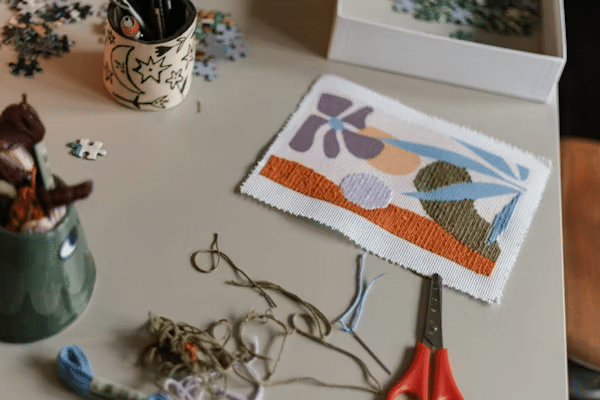
Something interesting is happening. In an age of instant everything, slow crafts are experiencing a massive revival. Knitting circles are popping up in cafes. Crochet tutorials rack up millions of views online. Embroidery has shed its grandmotherly image and gone distinctly cool.
Why the sudden interest in activities our grandparents considered ordinary chores?
Partly it’s the satisfying contrast to digital life. You can’t speed up knitting. There’s no shortcut for learning a new stitch. The process demands presence in a way that scrolling through feeds never will.
There’s also something deeply satisfying about creating physical objects in a world of intangible digital content. A finished scarf exists. You can touch it, wear it, gift it to someone who needs warmth.
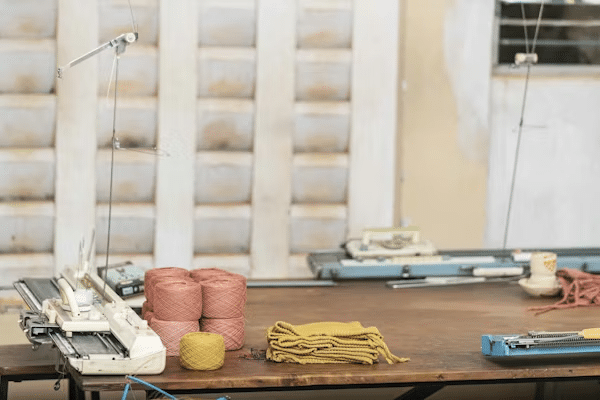
For beginners, yarn crafts offer one of the gentlest entry points into handmaking. The materials are affordable and the learning curve, while real, isn’t steep. Many crafters swear by red heart super saver yarn for starting out because it’s forgiving, comes in virtually every colour imaginable, and doesn’t punish the inevitable mistakes that come with learning. There’s something freeing about practicing with materials that won’t make you wince when you have to unravel and start again.
Start small. A simple dishcloth teaches basic stitches without requiring months of commitment. A chunky scarf offers quick gratification. The goal isn’t producing masterpieces. It’s finding a rhythm that quiets mental chatter.
Finding Your Creative Fit
Not every hobby suits every person. The craft that sends your best friend into a flow state might leave you frustrated and tense.
Pay attention to what draws you. Do you like precise, methodical work where following instructions leads to predictable results? Or do you prefer looser, more experimental approaches where happy accidents are part of the process?
Some personalities thrive with portable projects they can pick up during commutes or waiting rooms. Others need dedicated space and uninterrupted time. Neither preference is wrong. They just require different activities.
Consider your existing lifestyle too. Parents of young children might need crafts that survive frequent interruptions. Those with limited storage can’t realistically take up woodworking. People who travel often benefit from compact, portable pursuits.
The Social Side of Making
One unexpected benefit of creative hobbies? They create natural opportunities for connection.
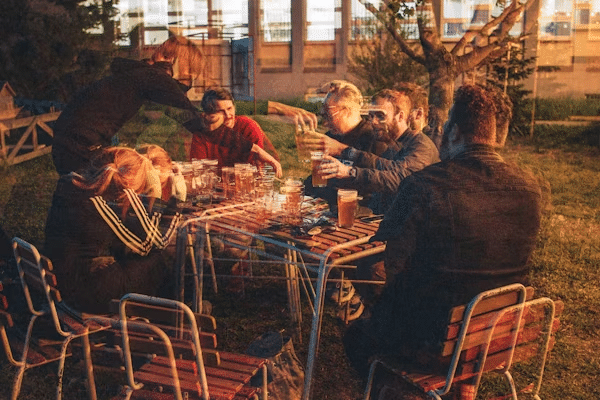
Crafting circles and maker meetups have existed for centuries. There’s something about working with your hands that makes conversation flow easily. You’re focused on your project, which removes the pressure of direct interaction. Silences feel comfortable rather than awkward.
Many crafters report that their hobby friendships differ from other social connections. The shared interest provides instant common ground. The regular meetups create consistency. The collaborative atmosphere encourages support rather than competition.
If in person groups don’t suit your schedule or personality, online communities offer alternatives. Forums, social media groups, and video sharing platforms connect makers across time zones. You can share progress, ask questions, and celebrate finished projects with people who genuinely understand the effort involved.
Some crafters combine their making with giving. Knitting hats for premature babies. Sewing bags for charity. Creating comfort items for those experiencing loss. This adds meaning to the meditative process of making.
Speaking of bags, the DIY tote bag has become something of a crafting staple. They’re practical, relatively quick to make, and endlessly customisable. For those who prefer buying the base and adding personal touches, customised tote bags offer a middle ground between fully handmade and mass produced. You get something unique without starting completely from scratch.
The point isn’t that you must make everything yourself. It’s finding the balance between creation and curation that works for your life.
Movement as Creative Practice
Creativity isn’t limited to making objects. Your body offers its own canvas for creative expression.
Dance, yoga, martial arts, and movement practices all engage the same parts of the brain that light up during traditional crafts. They demand presence. They reward practice. They produce that satisfying sense of improvement over time.
For many people, movement hobbies feel more accessible than artistic ones. There’s less pressure to produce something. Less comparison to others’ finished products. The practice itself is the point.
Yoga has become particularly popular among former craft hobbyists and current ones alike. The emphasis on breath and presence complements the meditative qualities of handwork. Many knitters and sewers report that yoga practice improves their crafting by releasing the neck and shoulder tension that comes from hunched focus.
Getting started with movement practices has never been easier. Studios offer beginner classes in everything from ballet to boxing. Online tutorials guide home practice. Even equipment has become more accessible and specialized.
If you’re exploring yoga specifically, small details matter more than you might expect. Proper grip affects balance and confidence, particularly in styles involving standing poses. Many practitioners find that investing in quality yoga socks Australia retailers offer transforms their practice, especially for those who prefer working out at home where floor surfaces vary. The right equipment removes barriers between you and the practice itself.
Whatever movement form calls to you, start gentler than feels necessary. Pushing too hard too fast leads to injury and abandonment. The tortoise approach wins for hobbies meant to last a lifetime.
Making Time for Making
Here’s where most creative aspirations die. Not from lack of interest, but lack of time.
Let’s be realistic. Modern life doesn’t offer abundant leisure hours. Between work, family, household maintenance, and basic self care, free time feels like a myth.
But here’s what chronic crafters know. You don’t find time for hobbies. You make it. Deliberately. Protectively. Sometimes ruthlessly.
This might mean waking thirty minutes earlier. Or reclaiming a lunch break. Or trading an evening of television for an evening of making. Time exists somewhere. Finding it requires honesty about where hours actually go.
Small pockets of time count more than you think. Five minutes of knitting between meetings adds up. A quick sketch while waiting for appointments keeps skills fresh. Progress happens in inches when hours aren’t available.
The key is keeping projects accessible. If you have to dig out supplies from deep storage every time you want to craft, you won’t craft. Keep current projects visible and ready. Remove every possible barrier between impulse and action.
Silencing the Inner Critic
Nothing kills creative hobbies faster than perfectionism.
That voice insisting your first attempts should look professional? Ignore it. The comparison to skilled makers who’ve practiced for decades? Irrelevant. The fear of wasting materials on something that might not work? Overcome it.
Every expert was once a terrible beginner. Every beautiful finished object came from hands that first produced lumpy, lopsided, utterly imperfect practice pieces.
Give yourself permission to be bad at something. Really, genuinely bad. This isn’t failure. It’s the necessary first stage of any learning process.
Some crafters find it helpful to embrace the concept of the ugly first project. Make something with full knowledge won’t be good. Take photos of it. Keep it as evidence of your starting point. Then make the next thing, which will be slightly less ugly. And the next.
Comparison is the other killer. Social media shows finished masterpieces, not the hours of frustration behind them. Remember that you’re seeing highlight reels, not reality. Everyone struggles with new techniques. Everyone makes mistakes. Most people just don’t post those moments.
Beyond Stress Relief
While relaxation provides the initial draw for most creative hobbyists, the benefits extend further than anticipated.
Many people discover improved focus that carries into other areas of life. The practice of sustained attention required by crafting strengthens the same mental muscles needed for work tasks and difficult conversations.
Problem solving skills get a workout too. Every project involves challenges. Running out of materials. Patterns that don’t quite work. Unexpected results that require adaptation. Working through these small problems builds confidence for bigger ones.
There’s identity value as well. Calling yourself a knitter or a potter or a dancer adds dimension to how you see yourself. You become someone who makes things, who moves deliberately, who creates rather than just consumes.
Some hobbyists eventually find their creative pursuits opening unexpected doors. Side businesses emerge. Community connections form. Skills transfer to professional contexts in surprising ways.
But none of that needs to be the goal. The hobby can simply be the hobby. The making can simply be the making. Joy doesn’t require justification or return on investment.
Starting Today
The best hobby is the one you actually do. Not the one that sounds most impressive or requires the fanciest supplies. The one that fits your life, interests, and energy levels right now.
Pick something that genuinely appeals to you. Not what you think you should enjoy. Not what everyone else seems to be doing. What actually sparks curiosity when you imagine yourself doing it.
Start smaller than seems reasonable. Buy minimal supplies. Attempt a tiny first project. Give yourself a trial period without pressure to continue if it doesn’t fit.
Expect frustration alongside satisfaction. The learning curve is real. But so is the joy on the other side of it.
Most importantly, protect the time. Schedule it like any other important commitment. Guard it against the endless demands that will happily consume every available hour.
Your stressed out brain deserves regular creative breaks. Your hands deserve something meaningful to do. Your sense of self deserves the expansion that comes from making things.
The materials are waiting. The tutorials exist. The only missing element is your decision to begin.
What will you make first?