
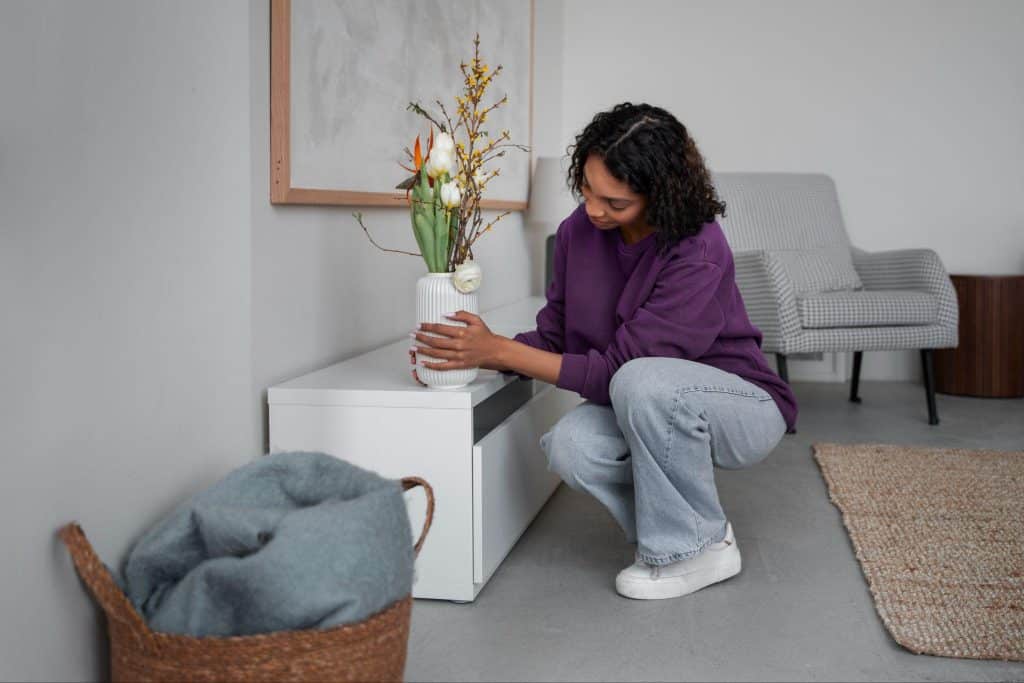
Moving to a smaller space doesn’t mean you have to give up your personal style or the special items that make your house feel like home. Whether you’re leaving a large family home for a cozy condo or simply want a simpler lifestyle, downsizing allows you to choose your belongings with care. The main thing is to figure out which decorative pieces you should bring and which you can leave behind without feeling bad.
The process of selective downsizing becomes much easier when you work with experienced professionals who understand the value of your possessions. Partnering with reliable West Hollywood movers ensures your chosen items are handled with care throughout the move. But before the moving truck arrives, you’ll need to make some critical decisions about what stays and goes.
Start with Your Non-Negotiables
Every home has special items that give it character, like your grandmother’s vintage mirror, a quilt you made, or the farmhouse table where your family gathers. If you’re downsizing, start by selecting the items that truly matter to you. These are the items that make you happy, hold memories, or are essential for your daily life. Knowing what you want to keep will help you feel more sure and clear about your choices.
Write down what you know you want to keep before you start sorting the rest. This provides a solid starting point and helps prevent feeling overwhelmed. Just because something looks nice doesn’t mean you need to bring it. Choose items that will fit in your new home and suit your lifestyle.
Measure Your New Space Carefully
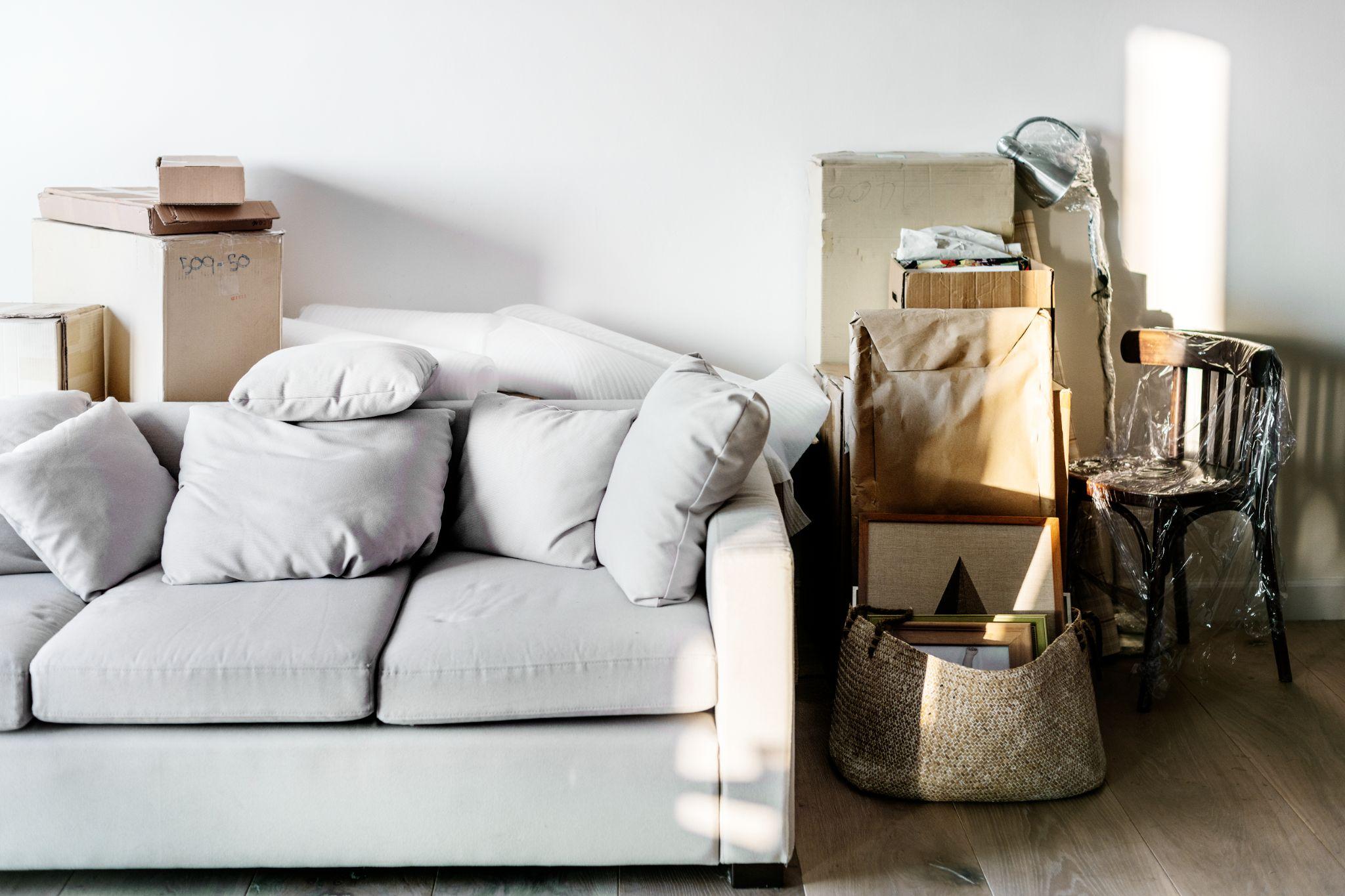
A common mistake when downsizing is thinking more will fit in your new home than actually does. Before you decide what to keep, measure each room, including ceiling heights, doorways, and wall space. Draw a simple floor plan and picture where your bigger items could go. Doing this helps you feel more in control and confident in your decisions, so you’re less concerned about making things fit.
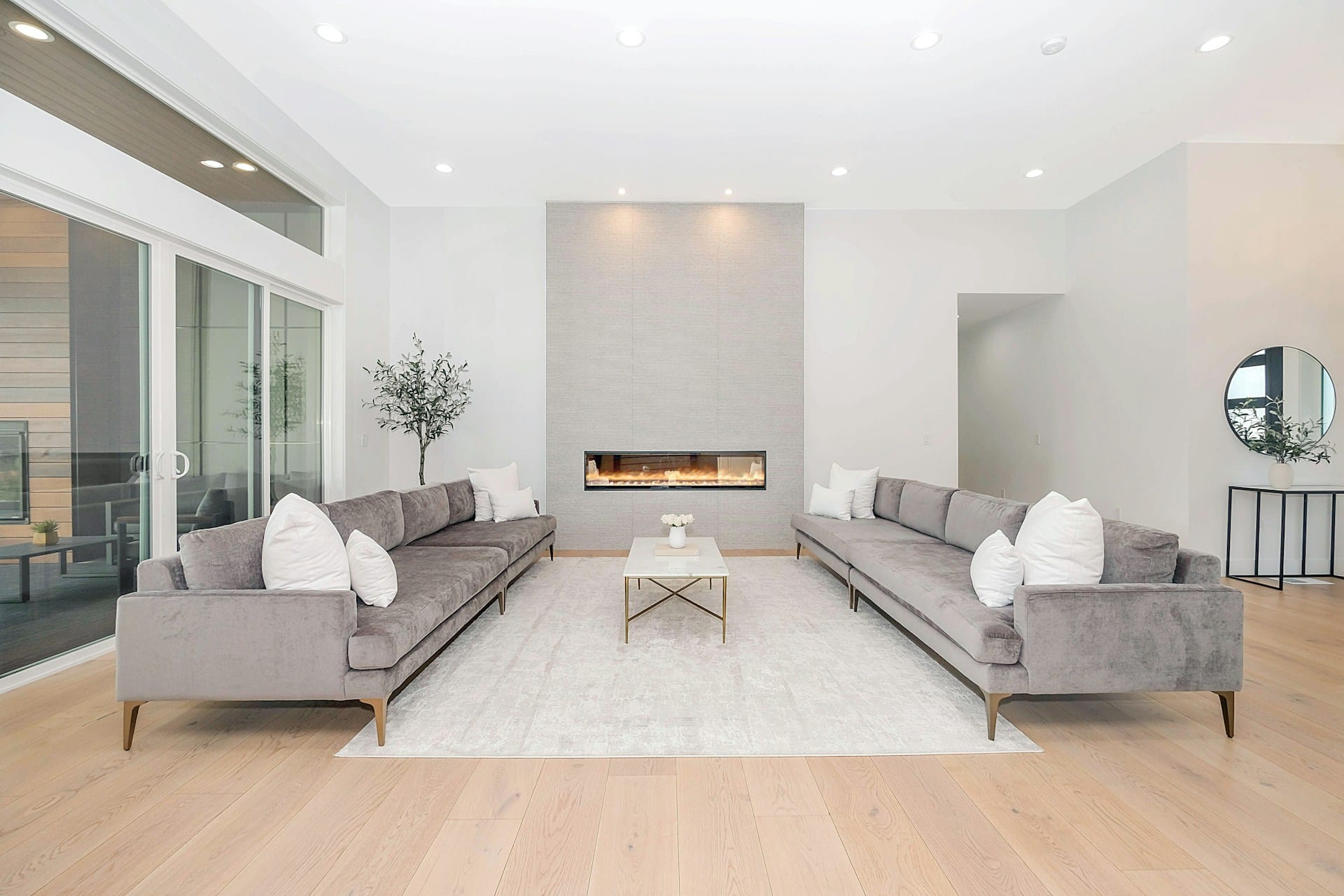
Your big sectional sofa might be comfortable, but if it’s too large for your new living room, it’s worth looking for something smaller. The same goes for a collection of large vases—they might look great in a big entryway, but could make a small foyer feel crowded. Use the size of your new space to decide what to bring, rather than trying to fit everything in.
The Functionality Test
Decorative items should do more than just look nice; they should have a real purpose in your home. As you review your belongings, ask yourself whether each piece is valuable and attractive. Items that are both beautiful and practical work best in smaller spaces. This way, you’ll feel more in control of your choices, and downsizing will feel more meaningful and less stressful.
Here are the key questions to ask when evaluating decorative pieces:
- Does this item have both decorative and practical value?
- Will it work with the style and color scheme of my new home?
- Can it serve multiple purposes or fit in different rooms?
- Is it easy to clean and maintain?
- Does it require special display conditions or space?
- Could I easily replace it if needed, or is it truly unique?
- Have I used or appreciated this item in the past year?
Storage ottomans, decorative baskets, and wall shelves are good examples of items that look nice and are helpful. In contrast, items that are purely decorative and occupy significant space should be reconsidered.
Quality Over Quantity
Downsizing is a great time to try a “less is more” approach. Rather than filling your new home with many average items, keep fewer, higher-quality pieces. One beautiful piece of art can stand out more than a wall full of prints you don’t love.
Consider your wreaths and seasonal decorations—do you really need five different fall wreaths, or would one beautifully crafted piece be sufficient? The same principle applies to throw pillows, candles, picture frames, and other decorative accessories. Choose your absolute favorites and donate or sell the rest.
Color Palette Cohesion
Moving to a new home is a good time to start fresh with your decorating. You can pick a color scheme that ties all your rooms together. As you go through your decorations, put aside anything that doesn’t fit your chosen colors.
This doesn’t mean everything has to match exactly, but there should be a smooth flow from one room to the next. For example, if you want a warm, cozy farmhouse look, bright blue vases might not fit, even if you liked them when you bought them.
The Sentimental Dilemma
Sentimental items are often the hardest to handle during downsizing. Sometimes we keep things because we feel guilty, not because we genuinely love them. Your aunt’s vintage lamp might be “valuable,” but if you don’t like it or it doesn’t fit your style, it’s okay to let it go.
For items you feel strongly about, take a photo of the item and write down the memory it evokes. Then ask yourself if you need to keep the object or if the memory is enough. You might also keep a single item from a collection rather than the entire set.
When it comes to DIY projects and handmade items, be selective. Keep your best work—the pieces you’re genuinely proud of—and release the practice projects or less successful attempts. Your new space should showcase your talents, not serve as a storage facility for every craft you’ve ever completed.
The Digital Archive Solution
Creating a digital archive of your decorative items helps preserve memories. It makes it easier to manage your belongings during your move.
This is especially helpful for kids’ artwork, holiday decorations you only used once, or collections you no longer want. A digital record lets you remember and enjoy these items without using up space in your new home.
Storage Realities
Be honest about how much storage you’ll have in your new place. Smaller homes usually have fewer closets, cabinets, and less attic or basement space. Think carefully about keeping decorations that need special storage or are only used for part of the year.
If you like changing your decor for each season, make sure you have a place to store off-season items. Ensure your new home has enough space before you store many seasonal decorations. Otherwise, you might move boxes around with nowhere to put them.
Create Zones for Decision-Making
As you sort your things, make three piles: Keep, Donate or Sell, and Maybe. Pay special attention to the “maybe” pile—these are the items you’re not sure about. Go back to this pile after you’ve made other decisions. With a fresh look and a better idea of what you’re keeping, these choices often get easier.
Set a deadline to decide on your “maybe” items. If you haven’t thought about something in that pile for two weeks, it’s time to let it go.
The Fresh Start Mindset
Moving to a smaller space isn’t about losing things; it’s about living with intention. When you choose to keep only certain items, select the ones that truly add value to your daily life. This might be because they’re beautiful, functional, or hold special memories. By choosing carefully, you can create a calm, balanced home rather than just filling it with everything you once owned.
Remember, downsizing isn’t only about letting things go. It’s also a chance to find new items that better fit your needs and lifestyle. You’re not just making space; you’re making room for what truly matters to you.
Final Thoughts
Downsizing with style means being honest with yourself, planning carefully, and sometimes making tough choices. But the reward—a home filled only with things you love and use—is worth it. Take your time, be gentle with yourself, and remember that letting go of things doesn’t mean losing the memories.
When you’re ready to make your move, working with professionals who respect your belongings makes all the difference. Mario Moving Company understands that each item you’ve chosen to keep represents a deliberate decision, and they’ll treat your curated collection with the care it deserves. Your downsized, stylish new home awaits—make it a space that truly reflects who you are today.