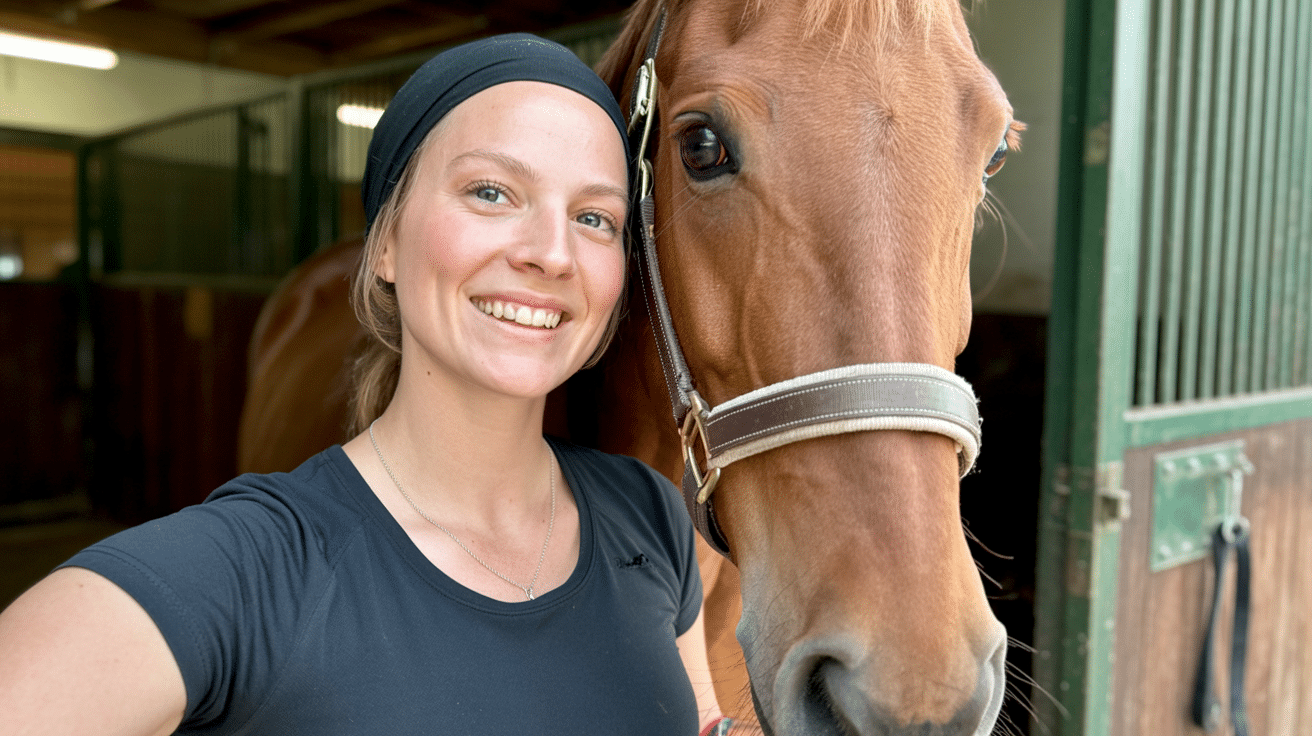

A horse’s comfort and ability to move freely affect nearly every part of its life. From performance and behavior to overall health and longevity, mobility plays a major role in how a horse feels day to day. When movement becomes restricted or uncomfortable, even slightly, it can lead to frustration, reduced performance, and long-term physical issues.
Many owners focus on riding and training but overlook how daily care choices influence movement. Supporting flexibility, reducing strain, and encouraging natural motion are key, and this often includes attention to nutrition, environment, and comprehensive joint support as part of a well-rounded care routine. When these elements work together, horses are more likely to stay comfortable and active at any age.
Understanding How Horses Move
Movement may look simple on the surface, but it involves many parts working together.
Understanding the basics can help owners spot problems early and make better care decisions.
The Basics of Equine Mobility
A horse’s movement depends on joints, muscles, tendons, ligaments, and hooves all working in balance. When one part is strained or stiff, other areas often compensate, which can lead to soreness or injury over time. Smooth, relaxed motion is usually a sign that everything is working as it should.
Common Signs of Discomfort or Stiffness
Horses often show discomfort in subtle ways before it becomes obvious. Watch for signs such as:
- Shorter or uneven strides
- Stiffness when starting work
- Reluctance to turn or stop
These changes may seem small, but they often signal that something needs attention.
Daily Movement: The Foundation of Comfort
Regular movement is one of the most important factors in keeping horses comfortable. Even light, consistent activity helps maintain flexibility and joint health.
Why Regular Motion Is Essential
Movement helps keep joints lubricated and muscles loose. Horses that stand still for long periods may appear stiff or sore, especially when first moving. Consistent activity encourages natural circulation and reduces tension throughout the body.
Easy Ways to Encourage Healthy Movement
Simple routines can make a big difference, including:
- Daily turnout to allow natural walking and grazing
- Hand-walking on rest days
- Light groundwork or stretching exercises
These activities keep horses moving without adding stress.
Nutrition’s Role in Mobility and Comfort
What a horse eats directly affects how its body functions. Proper nutrition supports muscles, joints, and overall physical comfort.
Feeding for Joint and Muscle Health
A balanced diet provides the building blocks for strong bones and flexible joints. Horses at different life stages have different needs, so feeding plans should change as they age or workload shifts. Poor nutrition can quietly contribute to stiffness and weakness.
Hydration and Its Impact on Movement
Water plays a key role in muscle function and joint lubrication. Horses that do not drink enough may feel tight or fatigued more quickly. Clean, fresh water should always be available, especially in hot or cold weather.
Creating a Comfortable Living Environment
A horse’s surroundings influence how easily it can move and rest. Small changes to the environment can greatly improve comfort.
Stall and Pasture Considerations
Soft, supportive bedding helps reduce pressure on joints during rest. Uneven or slippery footing, whether in stalls or pastures, can increase strain and risk of injury. Providing enough space for natural movement is equally important.
Weather, Temperature, and Comfort
Cold weather can increase stiffness, while heat may lead to fatigue and dehydration. Blanketing when appropriate, offering shade, and adjusting turnout schedules can help horses stay comfortable in changing conditions.
Proper Hoof Care and Its Connection to Movement
Healthy hooves are essential for sound movement. Even minor imbalances can affect how a horse carries its weight.
Why Hooves Matter More Than You Think
Hoof shape and balance influence the alignment of joints higher up the leg. Poor trimming or shoeing can place extra stress on tendons and joints. Over time, this may lead to soreness or uneven movement.
Working With Farriers and Professionals
Regular farrier visits help maintain proper balance and support. Open communication about changes in movement or behavior allows adjustments to be made before problems worsen. Hoof care should always be part of a mobility-focused plan.
Gentle Exercise and Conditioning
Exercise strengthens the body, but only when it is appropriate for the horse. Thoughtful conditioning supports comfort rather than causing strain.
Matching Workload to the Horse
Age, fitness level, and discipline all affect how much work a horse can handle. Sudden increases in intensity often lead to stiffness or soreness. Gradual conditioning helps build strength safely.
Warm-Ups and Cool-Downs
Warming up prepares muscles and joints for work, while cooling down helps prevent stiffness later. Simple walking before and after riding allows the body to adjust smoothly and recover more easily.
Aging Horses and Special Mobility Needs
As horses grow older, their mobility needs often change. Understanding these changes helps owners provide better care.
How Mobility Changes With Age
Senior horses may take longer to loosen up or show stiffness after rest. These changes are common but should not be ignored. Regular observation helps distinguish normal aging from discomfort that needs attention.
Supporting Senior Comfort
Consistency is especially important for older horses. Gentle routines, regular movement, and comfortable living conditions help them stay active and engaged. Adjustments made early can greatly improve quality of life.

When to Seek Professional Help
Knowing when to ask for help is a key part of responsible horse ownership. Early intervention often prevents larger issues.
Knowing What’s Normal vs. Concerning
Occasional stiffness may be normal, but persistent changes are not. Limping, resistance to movement, or sudden behavior changes should be taken seriously. Trusting your observations is important.
Building a Support Team
Veterinarians, farriers, and other professionals each play a role in mobility care. Working together, they can help identify problems and create effective solutions tailored to the horse.
Small Daily Choices Make a Big Difference
Keeping a horse comfortable and mobile does not require perfection, but it does require consistency. Paying attention to movement, nutrition, environment, and routine helps prevent many common issues. With thoughtful care and early action, horse owners can support comfort and mobility that last for years.