
Interior design used to mean stacks of magazines and a folder full of paint swatches. Now, most of the early planning happens on a screen.
If you enjoy redesigning rooms, planning makeovers, or just rearranging furniture for fun, a few digital tools can make the process easier. Not more complicated. Not more technical. Just easier.
Here are a few that I’ve found genuinely useful.
Canva for Pulling Ideas Together
When I start thinking about a room refresh, my ideas are usually scattered. A saved Instagram post. A paint color I wrote down somewhere. A photo of a chair I liked but forgot about.
Canva helps me gather everything in one place.
I usually open a blank page and start dropping in screenshots. Fabric ideas. Lighting fixtures. A color palette. Once everything is side by side, it becomes obvious what works and what does not.
Sometimes I delete half of it. That alone saves me from making expensive mistakes later.
It is simple, and that is the point.
Publuu for Sharing Full Projects in One Place
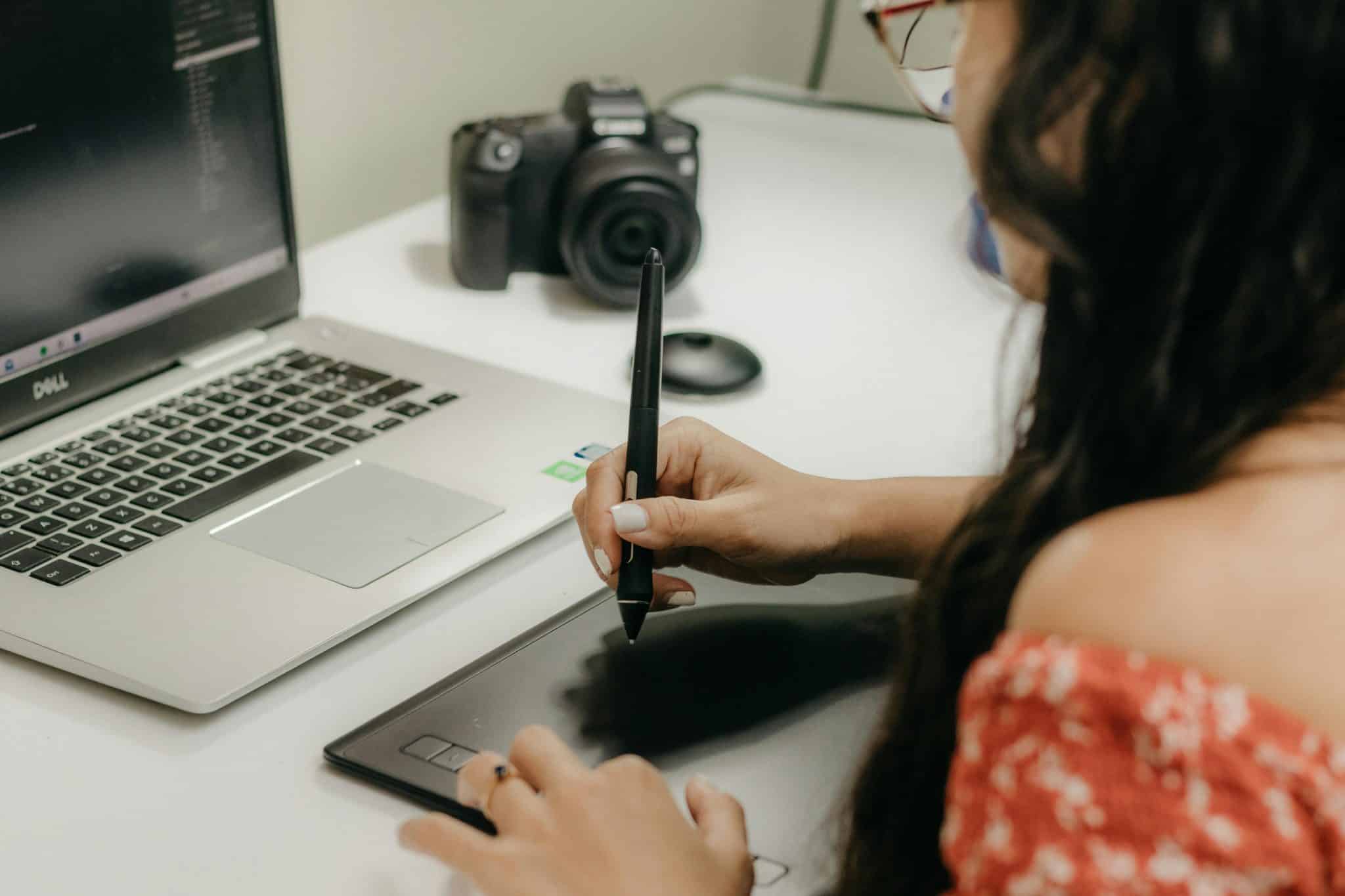
After finishing a project, especially a larger one, I sometimes realize that photos and notes are scattered across different posts or folders.
If you ever create a renovation recap, a decorating guide, or even a collection of before-and-after projects, using an Online flipbook maker can help bring everything together into one organized format.
Instead of sending someone a long PDF or a list of links, you can turn that content into something that feels more like a digital magazine. Readers can flip through it naturally, which makes it easier to follow the story of a space from start to finish.
This can be especially useful if you blog your projects or keep a portfolio of your work. It feels more intentional than a random collection of files.
Planner 5D or SketchUp for Testing Layouts
I once bought a console table that looked perfect online and completely wrong in my hallway.
That is when I started using layout tools.
Planner 5D and SketchUp let you sketch out your room dimensions and test different arrangements before moving heavy furniture around. Even a rough layout helps you see whether a sofa will crowd a doorway or if a rug is too small.
It is not about creating a perfect 3D rendering. It is about catching problems early.
Pinterest for Narrowing Down Your Style
Pinterest can either inspire you or overwhelm you.
The trick is to create smaller, focused boards instead of one giant collection of everything you like. Try a board just for kitchen lighting. Or one just for cozy reading corners.
After a while, patterns show up. You might notice you pin more warm wood tones than painted finishes. Or more vintage pieces than modern ones.
That awareness helps you make clearer decisions in real life.
Color Palette Tools When You Feel Stuck
Choosing paint should be simple, but somehow it rarely is.
Color tools like Coolors or Adobe Color let you experiment without committing. You can pull colors from a photo you love and see how they interact.
Sometimes I generate a palette just to confirm what I already suspected. Other times, it pushes me in a slightly different direction that works better.
It removes some of the guesswork.
Lightroom or Snapseed for Honest Photos
Lighting changes everything. A room that looks warm and inviting in person can look flat in a quick phone photo.
Basic photo editing apps allow you to adjust brightness and color temperature so the image reflects what the space actually looks like. No heavy filters. Just small corrections.
If you share your projects online, that consistency makes a difference.
Trello or Notion for Keeping Track of Everything
Design projects have a way of expanding.
You start with “paint the bedroom”, and suddenly you are tracking hardware finishes, curtain lengths, and budget adjustments.
Simple project boards help keep those details in one place. I like being able to check off tasks and see progress. It keeps the creative part fun instead of stressful.
A Final Thought
None of these tools replaces instinct. They just support it.
Interior design is still about how a space feels when you walk into it. The digital side simply helps you plan better and share your work more clearly.
And sometimes, having everything organized in one place makes the creative process a little less chaotic.