

Keeping your home safe, efficient, and resilient does not require a professional for every task, but it does require clear priorities. This guide is built for Australian conditions and regulations, focusing first on life safety items like smoke alarms, residual current devices (RCDs), and hot-water temperature limits, then on climate risks such as bushfire and cyclone readiness, and finally on structural longevity through termite defence and weatherproofing.
You’ll see clear boundaries between what you can tackle on a weekend and what requires a licensed tradie. Regulations vary by state, so key differences are flagged where they matter most. Use the practical 7-day kickoff plan to start protecting your home this week.
Focus On A Few Critical Systems To Eliminate The Home Safety Risks
Three safety systems prevent the most severe household emergencies: smoke alarms, RCDs, and gas heaters. Prioritising checks on these first keeps your family protected while you work through cosmetic and efficiency improvements later.
Smoke Alarms: Installation and Maintenance
Install photoelectric, interconnected alarms wherever your state requires them. In Queensland, interconnected photoelectric alarms are mandatory in all bedrooms, connecting hallways, and on each storey, with a final compliance deadline of 1 January 2027 for all properties, according to Queensland Fire and Emergency Services.
- Test alarms monthly using the test button
- Vacuum alarm vents every six months to remove dust
- Replace 9-volt batteries annually where applicable
- Replace entire alarm units every 10 years
- Mount alarms on ceilings away from corners and air-conditioning vents
RCDs: The Seasonal Test
Press the ‘T’ button on your safety switches every three months to verify they trip correctly. Do this at the start of each season to build a reliable habit, as advised by WA Government guidelines. Label affected circuits in your switchboard so you know which outlets go dark when an RCD trips.
If an RCD fails to trip, will not reset, or trips repeatedly, stop DIY investigation immediately and call a licensed electrician. Frequent trips usually indicate an appliance fault or wiring issue that needs professional diagnosis.
Gas Heaters and Carbon Monoxide Safety
Have space heaters and ducted gas systems serviced by a licensed gasfitter at least every two years, as recommended by Energy Safe Victoria. Carbon monoxide is colourless and odourless, and early signs of exposure include headaches and nausea. Ensure adequate ventilation and avoid running kitchen or bathroom exhaust fans while open-flued heaters operate.
Correct Hot Water Settings
Your hot water system (HWS) must balance two risks: Legionella bacteria growth and scald prevention. National Plumbing Code requirements mandate hot water stored at or above 60°C to inhibit bacterial growth, while delivery to bathrooms must be at or below 50°C (45°C in care or child settings) via tempering or thermostatic mixing valves.
The scald risk is significant: at 60°C, severe burns can occur in under 5 seconds. At 50°C, that window extends to about 5 minutes, according to the Australian Government YourHome guidance. This difference matters enormously for children and elderly residents.
Checking Your System
Locate the HWS thermostat that controls storage temperature and the tempering valve tag, usually near the HWS outlet or under a vanity. Measure bathroom tap temperature with a thermometer; readings above 50°C indicate a tempering issue that needs attention.
When to Call a Plumber
Contact a licensed plumber if tap temperatures are unstable, bathroom circuits appear to lack tempering valves, tanks show rust or discoloured water, pressure relief valves weep constantly, or you lose all hot water. Electrical and gas components plus mixing valves are licensed work, so do not attempt these yourself.
Small Weatherproofing Tweaks Prevent Hidden Moisture Damage And Wasted Energy.
Water ingress and air leakage cost you money and damage your home’s structure. Addressing your roof, gutters, and air sealing before problems escalate prevents expensive repairs and improves comfort year round.
If your boundary fence is peeling, greyed, or showing bare timber, treat it like exterior cladding and schedule thorough preparation, primer, and two finish coats for long-term protection before Adelaide’s UV and summer storms hit; if you prefer not to DIY in harsh South Australian conditions, consider booking in a time for fence painting with a specialist who uses durable systems.
Roof Inspection Basics
Look for cracked or chipped tiles, lifted ridge caps, and failing pointing. Inspect flashing around chimneys, skylights, and vents, resealing where gaps appear. If you notice persistent leaks, sagging structure, or widespread tile cracking, call a licensed roofer rather than attempting repairs yourself.
Gutters and Downpipes
Clean gutters each season and check for rust, pinholes, and seam leaks. Verify fall towards downpipes and install metal mesh where debris accumulates; this also helps block embers in bushfire zones, as recommended by NSW RFS. Ensure downpipes discharge to stormwater and away from footings.
Sealing Drafts
Fit door weather seals and window compression seals, replacing any perished materials. Install draft stoppers or dampers on exhaust fans to prevent conditioned air loss. CSIRO (Australia’s national science agency) notes that poor air tightness can add up to 20% to energy bills, making these simple fixes highly cost effective.
Target thermostat settings of 18–20°C in winter and 25–27°C in summer. Each degree outside these ranges can add 5–10% to energy use, according to YourHome research.
Planning For Bushfires And Storms
Australia’s climate demands specific preparations that differ from other countries. Building resilience against fire and storms through exterior maintenance and vegetation management protects both life and property.
Bushfire Preparation
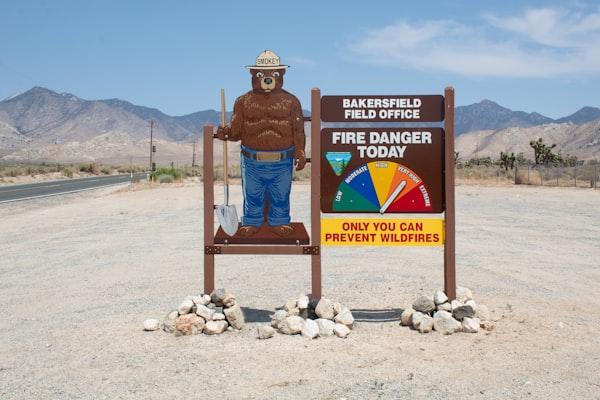
Clean gutters and valleys regularly, installing ember-resistant metal mesh on gutters and vents as recommended by NSW RFS. Seal gaps under eaves and around doors and windows. Keep lawns short and remove debris to reduce ember attack risk.
Attach hoses long enough to reach around the entire home and mark water sources clearly.
Cyclone Season Actions (November–April)
Secure or store loose outdoor items and prune trees away from structures. Check roof cladding, screws, and ridge caps for integrity. Consider window protection such as shutters or metal screens in high-exposure areas, and stock an emergency kit with torches, batteries, water, and first aid supplies as advised by Bureau of Meteorology seasonal guidance.
Review your insurance for storm and flood cover before the season begins. Install alert apps such as Hazards Near Me (NSW), follow your state’s State Emergency Service (SES), and monitor Bureau of Meteorology (BoM) warnings. Practise family evacuation drills and establish meeting points.
Consistent Termite Management Costs
Termites cause more damage to Australian homes than fire, flood, and storms combined. Combining annual professional inspections with moisture management and barrier maintenance prevents costly structural repairs.
Know Your Inspection Schedule
Locate the termite-management notice in your meter box that specifies system type and required inspection intervals, as outlined by Queensland Building and Construction Commission (QBCC) guidelines. Set calendar reminders aligned to these intervals and file inspection reports for future sales and insurance claims.
Moisture and Landscaping Control
- Fix dripping taps, HWS overflows, and air-conditioner (AC) condensate pooling near foundations
- Maintain 75–100mm slab edge visibility
- Avoid raised garden beds or mulch against walls that can bridge barriers
- Store firewood and timber off the ground and away from the house
Signs to Monitor
Check that weep holes are clear and look for mud tubes, blistered paint, or hollow-sounding skirting boards. Use a bright torch and probe gently, photographing suspicious areas without tearing into them. If you suspect activity, do not disturb the evidence; contact a licensed pest manager promptly.
Treat Your Fence As Exterior Cladding
A well-painted fence protects timber from UV damage and moisture while improving kerb appeal. Process matters more than product choice; proper preparation determines whether your finish lasts two years or seven.
Choose the Right System
For timber fences, use exterior acrylic or decking oil based on your desired look and maintenance cycle, confirming compatibility with any timber treatment. For metal fences, remove rust, apply a metal primer, and topcoat with UV-stable enamel designed for metal surfaces.
Steps: Surface Prep to Topcoat
- Wash with detergent and fungicidal wash where mould is present
- Allow to dry fully before any sanding
- Sand to feather peeling edges and spot-prime bare timber
- Fill gaps and caulk joints; mask adjacent surfaces
- Apply two finish coats per product datasheet
If you would rather hand this job to a specialist who uses durable, South Australia-ready systems and gets the preparation right, book AJ Blunt Painting to repaint your fence so the finish actually lasts through Adelaide’s UV and summer storms.
Timing Your Work
Paint in the shade during mild temperatures, avoiding rain and heat extremes that cause blistering and poor adhesion. Plan inspections annually and recoats every 5–7 years based on sun and rain exposure. Touch up chips promptly to prevent water ingress.
A Plumber You Trust Is Worth More Than Any DIY Trick During An Emergency
Knowing when to call a licensed plumber saves you from water damage, compliance issues, and emergency scrambles. Certain jobs require professional intervention regardless of your DIY confidence.
Jobs Requiring a Licensed Professional
Hot-water outages, temperature instability, and tempering-valve faults all need licensed attention. Investigate wet walls or ceilings, sewage smells, or unexplained high water bills promptly to avoid structural damage and mould. For gas odours or suspected leaks, evacuate immediately, isolate if safe, ventilate, and call a licensed gasfitter.
Pre-Storm and Cyclone Season Checks
Find and test isolation valves, labelling them for quick emergency access. Inspect flexible braided hoses under sinks and to toilets, and replace them proactively at 5–10 years to prevent bursts. Bundle compliance checks for tempering valves, pressure relief valve (PRV) operation, and backflow risks before the November–April cyclone season.
Plumbing failures rarely happen at convenient times, so it helps to know exactly who you will call before peak storm alerts hit. If you are in Brisbane’s north (Mango Hill or North Lakes) and want a fast, compliant fix for leaks, hot-water faults, or tempering-valve checks before storm season, save the contact for a reliable plumber here so you are not scrambling during an emergency.
Documentation Matters
Ask for written reports of findings, parts replaced, and test results including delivery temperature measurements. File invoices and photos in your home maintenance records for warranty claims and insurance purposes.
Knowing Your DIY Limits Protects You From Fines, Voided Insurance, And Unsafe Work
Understanding what you can legally and safely do yourself prevents insurance voids and compliance breaches. Some tasks seem simple but carry serious consequences if done incorrectly.
Safe DIY Tasks
You can handle painting, caulking, draft-sealing, basic gutter clearing if it is done safely, and garden maintenance. Surface rust treatment on metal with appropriate PPE and primers is acceptable. Avoid anything structural or gas related.
Licensed Work Only
- Electrical: any fixed wiring, RCD installation, and switchboard work
- Gas: appliance installation, servicing, and any gas line work
- Plumbing: hot-water installation, mixing valves, backflow devices, and drainage
- Roofing and tree work at height or near power services
Briefing Professionals Effectively
Send photos and videos before appointments. Note when symptoms started and whether they worsen with weather or time of day. Include appliance make, model, and serial numbers plus parking access notes and pet details to avoid delays.
A Short, Structured Sprint Gets Critical Maintenance
Small actions compound into significant protection when done consistently. Starting with safety items builds momentum and ensures the highest-risk issues get addressed first.
- Day 1: Test smoke alarms and vacuum if dusty
- Day 2: Test RCDs and label circuits
- Day 3: Check HWS setpoints and confirm bathroom delivery is at or below 50°C
- Day 4: Clean AC filters
- Day 5: Inspect gutters and downpipes
- Day 6: Replace door seals and clear weep holes
- Day 7: Book a termite inspection if due
Revisit this plan quarterly, rotating in seasonal tasks based on the current month. Keep records, budget by season, and know your pro triggers to act early rather than react late. Safety and compliance first, then climate resilience, then longevity and efficiency; this order prevents emergencies and preserves property value.