

Moving abroad often comes with excitement, but it also brings pressure. One of the biggest challenges is deciding what to do with your home before you leave. Many homeowners feel rushed. They want to sell or rent quickly, but they are unsure where to focus their time and money. Some fix too much. Others fix too little. Both choices can cost more than expected.
The problem usually comes down to timing. When a move date gets closer, every decision feels urgent. That is when mistakes happen. People start projects without a clear plan. They follow advice that does not fit their situation. This article helps you avoid that trap. It explains how to prepare your home in a smart and simple way.
The goal is not perfection. The goal is to make your home appealing, functional, and ready for the market before you leave the country.
Start Decluttering To Get a Blank Canvas
Decluttering does more than make packing easier. It helps people see the home clearly. Too many personal items distract from the space itself. Buyers and renters want to imagine their own lives there, and that becomes difficult when shelves, counters, and closets feel crowded.
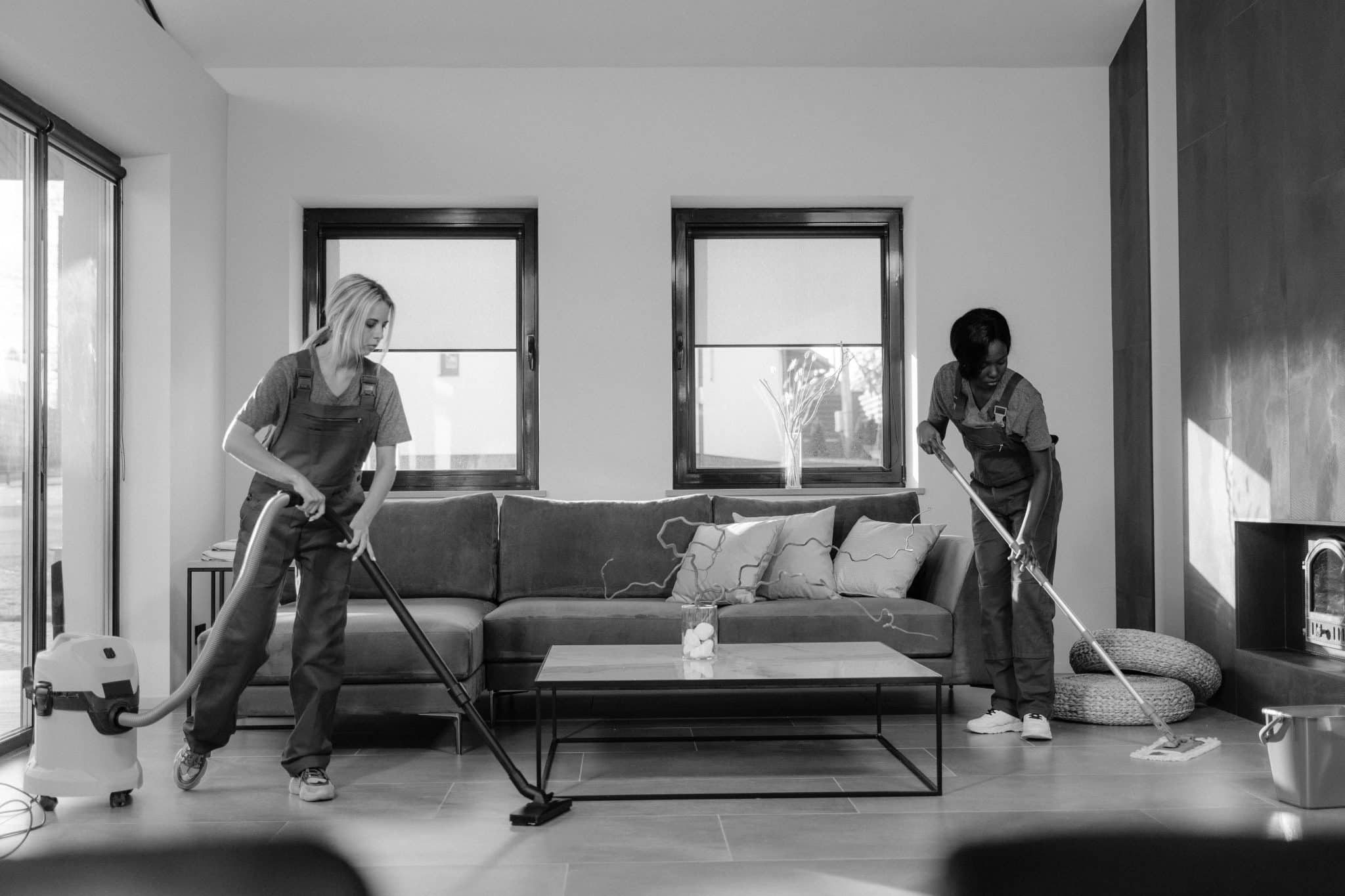
Start by removing items you do not plan to keep long term. This includes extra furniture, décor, and things you no longer use. Closets should feel open, not overfilled. Storage space matters, even when people do not mention it directly. Many homeowners begin this process while planning a move abroad and hiring international moving services for the move, which makes early decluttering a practical step that supports both goals.
See Your Home Like a Stranger Would
Living in a home for years makes it easy to miss issues. Small flaws fade into the background. A loose handle or a stained wall may feel normal to you, but not to a buyer or renter. Before making changes, walk through your home as if you are seeing it for the first time.
Pay attention to how each room feels when you enter. Notice what stands out right away. Does the space feel clean and open, or crowded and tired? Look at what works and what does not. This mindset helps you spot problems that matter. It also keeps you from fixing things that no one else will notice.
Fix Problems That Create Doubt
Some issues raise concern fast. These problems make people question how well the home was cared for. Water stains, broken switches, and damaged doors fall into this group. Even small issues can create doubt when people see several of them together.
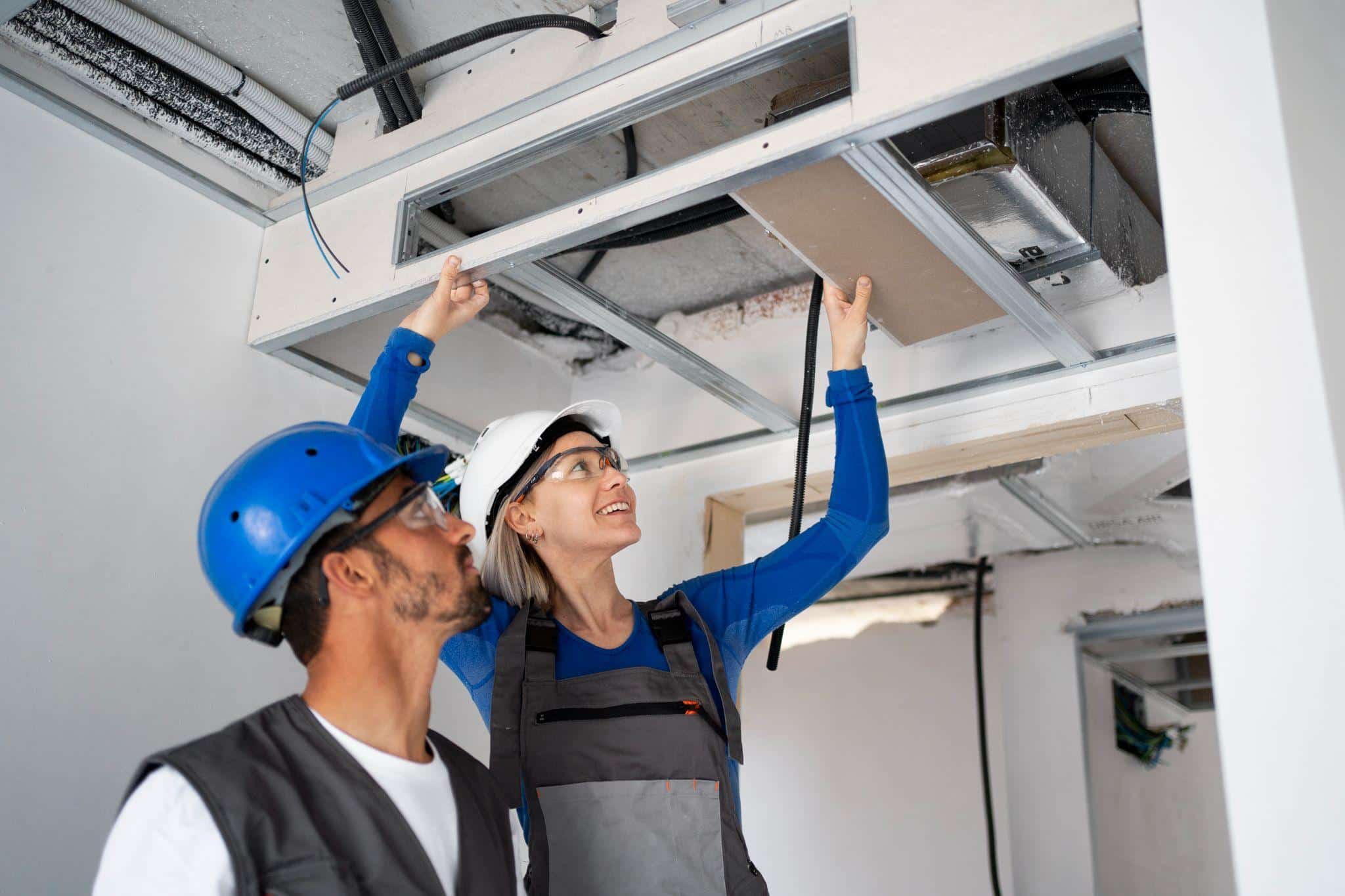
Start with repairs that affect safety and function. Make sure lights work, doors close well, and plumbing does not leak. These fixes build trust. They show that the home is solid. Cosmetic updates come later. If the basics are not right, no amount of paint will help.
Keep Updates Neutral and Practical
When time is short, it helps to stay simple. Neutral updates work best because they appeal to more people. Bright colors and bold finishes often turn buyers away. What feels personal to you may feel limiting to someone else.
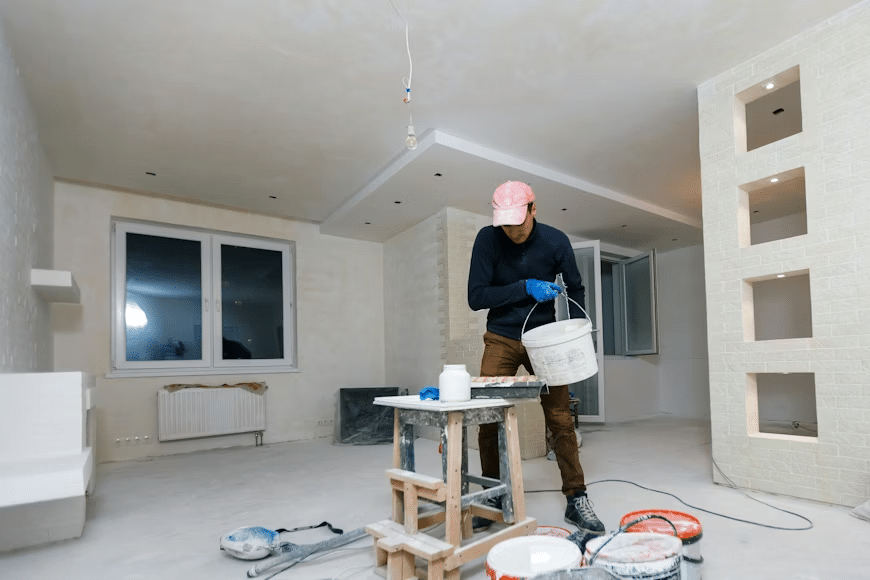
Choose calm colors and basic finishes. Focus on clean lines and even surfaces. These updates help people picture themselves in the space. They also age better over time. Simple choices make your home easier to sell or rent, especially when you will not be around to manage changes later.
Focus on Kitchens and Bathrooms First
Kitchens and bathrooms shape first impressions. People judge these rooms quickly. They do not need to be new, but they must feel clean and usable. Small updates often go a long way here.
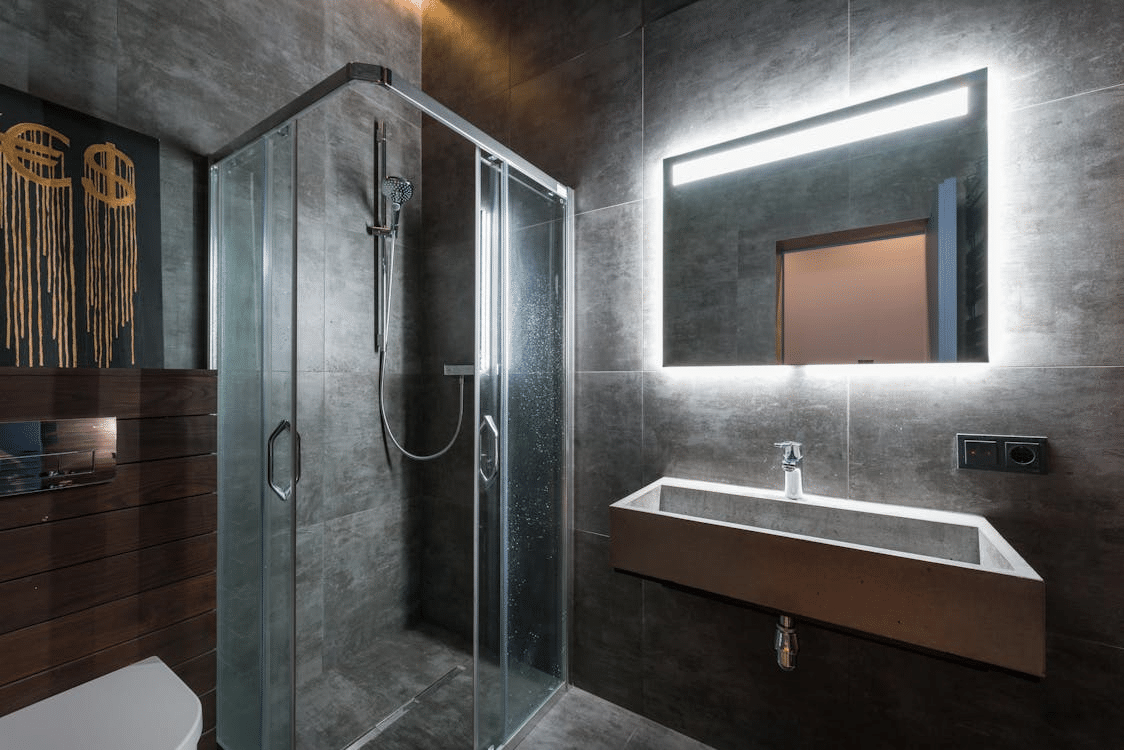
Fresh paint, new handles, and better lighting can change how a room feels. Fix worn surfaces and replace broken parts. Avoid full remodels unless something truly does not work. These rooms should feel bright, tidy, and easy to use. When they do, the rest of the home feels more inviting too.
Improve Curb Appeal Without Big Projects
First impressions start before anyone steps inside. A messy or worn exterior can turn people away early. The good news is that curb appeal does not require major work. Small efforts often make the biggest difference.
Clean the entrance area and make sure the door opens smoothly. Trim plants that block windows or walkways. Replace broken outdoor lights. Sweep paths and remove stains if possible. These steps show care and attention. They help the home feel welcoming without adding stress or cost.
Choose Materials That Are Easy to Maintain
When you plan to live abroad, upkeep matters. You may not be nearby to handle issues quickly. That makes low-maintenance choices more important than style trends. Floors, counters, and fixtures should hold up well over time.
Avoid materials that stain easily or need frequent care. Choose surfaces that clean easily and resist wear. This approach helps sellers and landlords alike. Buyers feel confident about long-term care. Renters appreciate spaces that feel durable and practical.
Get Local Advice Before Spending Money
It is easy to guess what the market wants. Guessing often leads to wasted money. Local real estate agents and property managers see buyer and renter behavior every day. Their advice can save you from making the wrong updates.
Ask clear questions before starting work. Find out which fixes matter most in your area. Some updates add value in one market and not in another. Local insight helps you focus on changes that actually improve results. This step often costs nothing and can prevent expensive mistakes.
Plan for a Smooth Handover Before You Leave
Once your home is ready, think about what happens next. A smooth handover matters when you are far away. Gather important documents, warranties, and service records. Leave clear notes for the next owner, tenant, or manager.
Make sure keys, access codes, and contacts are organized. If someone else will manage the home, meet them before you leave. Clear planning reduces future problems. It also gives peace of mind when distance makes quick fixes harder.
Preparing your home before a move abroad does not need to feel overwhelming. The most effective approach stays focused and practical. Decide your goal early. Fix what truly matters. Keep updates simple and neutral. Remove clutter and improve first impressions. Seek local advice and plan ahead.
A market-ready home is not about perfection. It is about trust, function, and ease. When people see a well-cared-for space, they feel confident moving forward. With the right steps taken before you leave, your home can work for you even when you are far away.