
Garage doors are one of the largest moving parts in your home. They open and close dozens of times a week, often while kids are nearby or pets wander in and out. That combination alone makes safety nonnegotiable.
Modern garage door systems are built with multiple layers of protection. When the right design is paired with a properly installed opener, and you regularly test the system, the risk drops significantly. You don’t need a high-end custom setup to create a childproof garage door or rely on constant supervision to keep pets safe.
What Safety Features Should My Garage Door Have?
A garage door system that’s safe for kids and pets relies on mechanical design and electronic safeguards. If one piece fails or is outdated, the system becomes far less reliable. These are the core garage door risk reduction features every family home should have:
- Photoelectric protection sensors: Mounted a few inches above the floor, they project an invisible beam across the opening. If a child, pet or object breaks the beam while the panel is closing, the opener forces the door to reverse.
- Automatic reversal system: If the system encounters resistance while closing, the opener should stop and immediately reverse direction. This feature prevents crushing injuries and damage to belongings.
- Pinch-resistant panels: Modern panels are shaped to push fingers away from joints as the door moves, reducing one of the most common garage-related injuries among children.
- Manual release handle: The red emergency cord allows you to disengage the opener during a power outage or malfunction and operate the door manually.
Together, these features form the baseline for automatic garage door safety compliance.
How to Ensure Garage Door Safety for Children and Pets?
Even with the right features, risk management depends on setup and maintenance. Most problems show up gradually, not suddenly. Routine checks are what prevent close calls. You can reduce mishaps by focusing on these three areas.
|
Installation Quality |
Regular Testing |
Usage Habits |
|---|---|---|
|
Correct alignment of the sensors, proper adjustment of the opener force settings and testing of the door’s balance are essential steps during installation. |
Monthly checks catch issues before they turn into failures. |
Teach children that the garage door is not a toy, and keep pets away during garage door operation. |
Selecting the Safest Garage Door Brands
Garage door rands were evaluated based on factors that directly impact child and pet well-being. The selection criteria included:
- Built-in safety design of panels and hardware
- Compatibility with modern opener technology
- Emphasis on responsible use training and correct installation
- Availability of professional service and replacement parts
The Best Garage Door Brands for Child and Pet Safety
Each brand below meets current garage door safety regulations, but they approach protection in different ways.
1. Clopay®
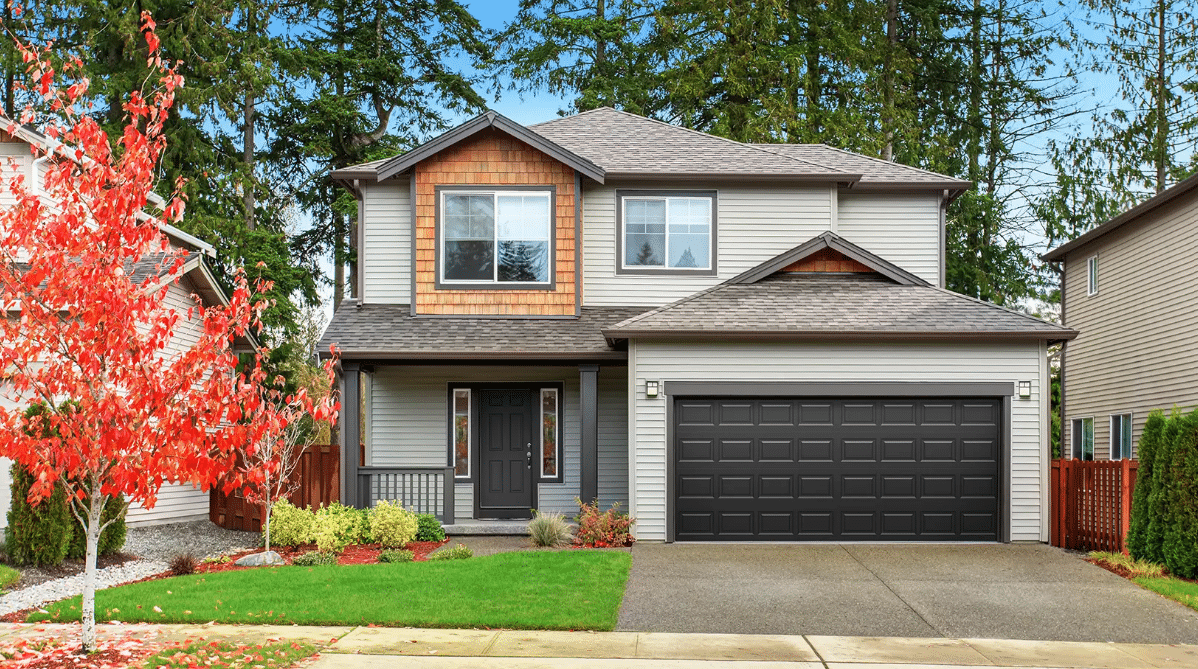
Clopay® takes a system-based approach to safety by pairing well-engineered doors with LiftMaster® openers that use reliable photoelectric sensors, automatic reversal systems and smart monitoring. According to Clopay, “Choosing the right garage door opener isn’t just about convenience — it’s about finding the best match for your home and routine.” That philosophy is reflected in how construction, opener technology and remote status monitoring work together through the Clopay system.
Key Features:
- Opener integration: Designed to work seamlessly with LiftMaster systems
- Stable construction: Helps maintain sensor alignment for consistent operation
- Wide product range: Easier to upgrade features without replacing an entire door
2. Wayne Dalton™
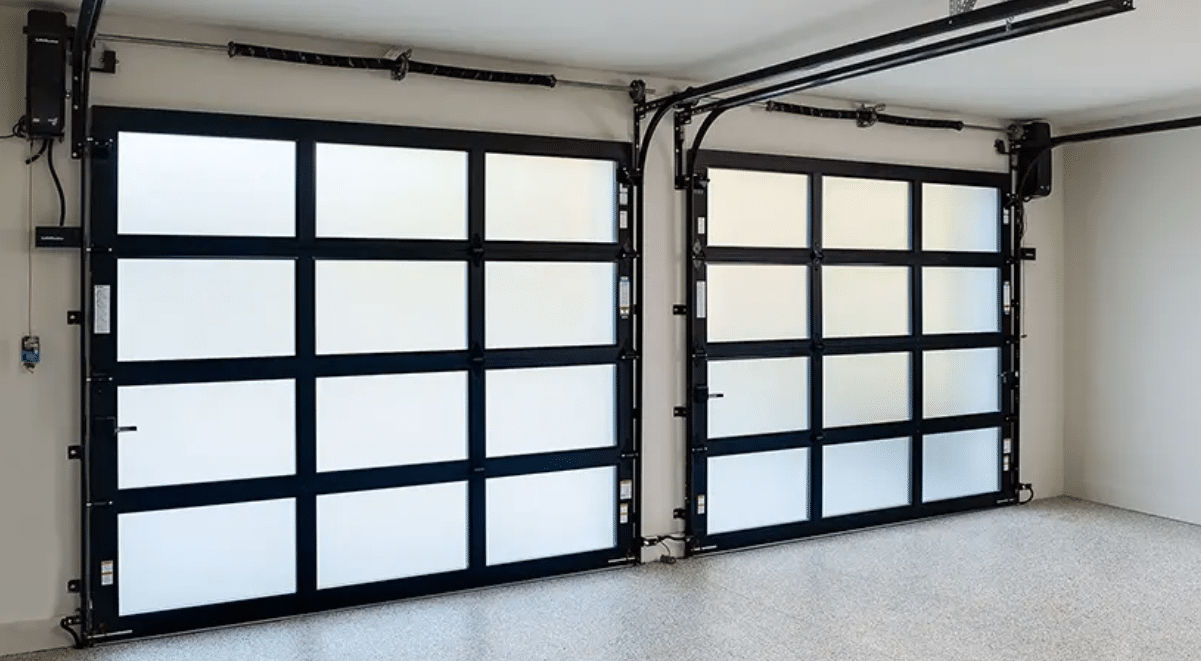
Wayne Dalton™ focuses on reducing risk from internal mechanical components with its TorqueMaster® Plus counterbalance technology, which “safely contains the springs inside a steel tube. This system helps prevent off-track garage doors and includes an anti-drop safety device.” Spring containment is a valuable accident prevention measure that keeps dangerous components out of reach of curious hands.
Key Features:
- Enclosed spring system: Limits exposure to high-tension parts
- Pinch-resistant panels: Standard across many residential models
- System-focused engineering: Designed to reduce mechanical failure risks
3. Amarr
“Amarr garage doors have a patented safety bottom bracket to help reduce the risk of serious injuries,” says the manufacturer regarding the company’s emphasis on injury prevention at common contact points. The system combines panel design with reinforced hardware and heavy-gauge steel construction.
Key Features:
- Safeguard system: Designed to reduce hand and finger injuries
- Tamper-resistant brackets: Protect high-tension hardware areas
- Durable materials: Improves alignment for sensor accuracy
4. Overhead Door™
Overhead Door™ combines long-standing engineering expertise with modern protection updates. Its residential options focus on durability and consistent performance. Many of the brand’s openers include built-in diagnostics that alert you to performance issues. That feedback can help homeowners address safety concerns before sensors or reversal systems stop responding correctly.
Key Features:
- Pinch-resistant panel designs: Common across residential collections
- Diagnostic monitoring: Helps identify risks and issues early
- Long-term durability: Supports reliable operation over time
Comparing Garage Door Manufacturer Safety Features
Evaluating each company’s approach to making homes that are secure for kids with two and four legs to decide which is best for your lifestyle.
|
Manufacturer |
Safety Philosophy |
Long-Term Reliability |
Family-Oriented Design Considerations |
Upgrade and Replacement Flexibility |
|---|---|---|---|---|
|
Clopay |
System-based approach that treats the door and opener as a single safety unit |
Designed to maintain sensor alignment and opener calibration over time when paired with LiftMaster systems |
Weight, balance and insulation help reduce sudden movement that can startle kids and animals |
Wide compatibility with newer opener models, making safety upgrades easier without full replacement |
|
Wayne Dalton |
Mechanical risk reduction through enclosed and simplified hardware |
Fewer exposed moving parts lower the chance of finger pinching and wear-related failures |
Hardware design limits access to high-tension components by children |
Proprietary systems may require brand-specific parts when upgrading |
|
Amarr |
Injury prevention through reinforced contact points and structural safeguards |
Heavier-gauge construction supports consistent operation and panel alignment |
Bottom hardware design reduces access to pinch and pull points near the floor |
Opener compatibility allows selective upgrades without changing doors |
|
Overhead Door |
Reliability-focused design with emphasis on consistent operation |
Diagnostic feedback helps identify issues before failures occur |
Balanced door movement reduces abrupt stops that can confuse youngsters and pets |
Replacement options depend on model age and opener platform |
Test Your Garage Door Safety Features
Clopay recommends, “Start with a simple inspection every few months. Look over the main components of your automatic garage door opener.” This proactive maintenance can help you prevent surprises.
How to Test the Auto-Reverse Sensors
“Place a solid object (like a small box or piece of wood) in the path of the door. When the door touches it, it should automatically reverse,” says Overhead Door manufacturers. If the garage door doesn’t stop, call a professional for a diagnostic check.
How to Test the Photoelectric or Eye Sensors
Start closing the door, then wave an object through the sensor beam near the floor. It should stop and reverse. Clean the sensor lenses and check alignment if the test fails.
How to Childproof a Garage Door
You can support a child-safe garage door without the need for major equipment changes. Mount wall control panels out of reach of young children and store remote controls in safe locations where eager little hands can’t grab them. Teach your kids that doors and openers aren’t toys. Teach your pets to stay clear while the door is opening.
When to Call a Pro or Replace Equipment
Call a professional if the door fails any operational test, moves unevenly or makes grinding noises. Springs, cables and opener force settings involve high tension and should not be adjusted as DIY projects. If your opener predates modern safety standards, replacement is the safest option.
What Are the Best Practices for Garage Door Safety?
Garage door safety works best as an ongoing routine, not a one-time setup. Regular testing, clean sensors and responsible usage habits keep systems responsive. When paired with a door and opener designed for family use, those habits help ensure your garage door stays safe for children and pets every time it operates.