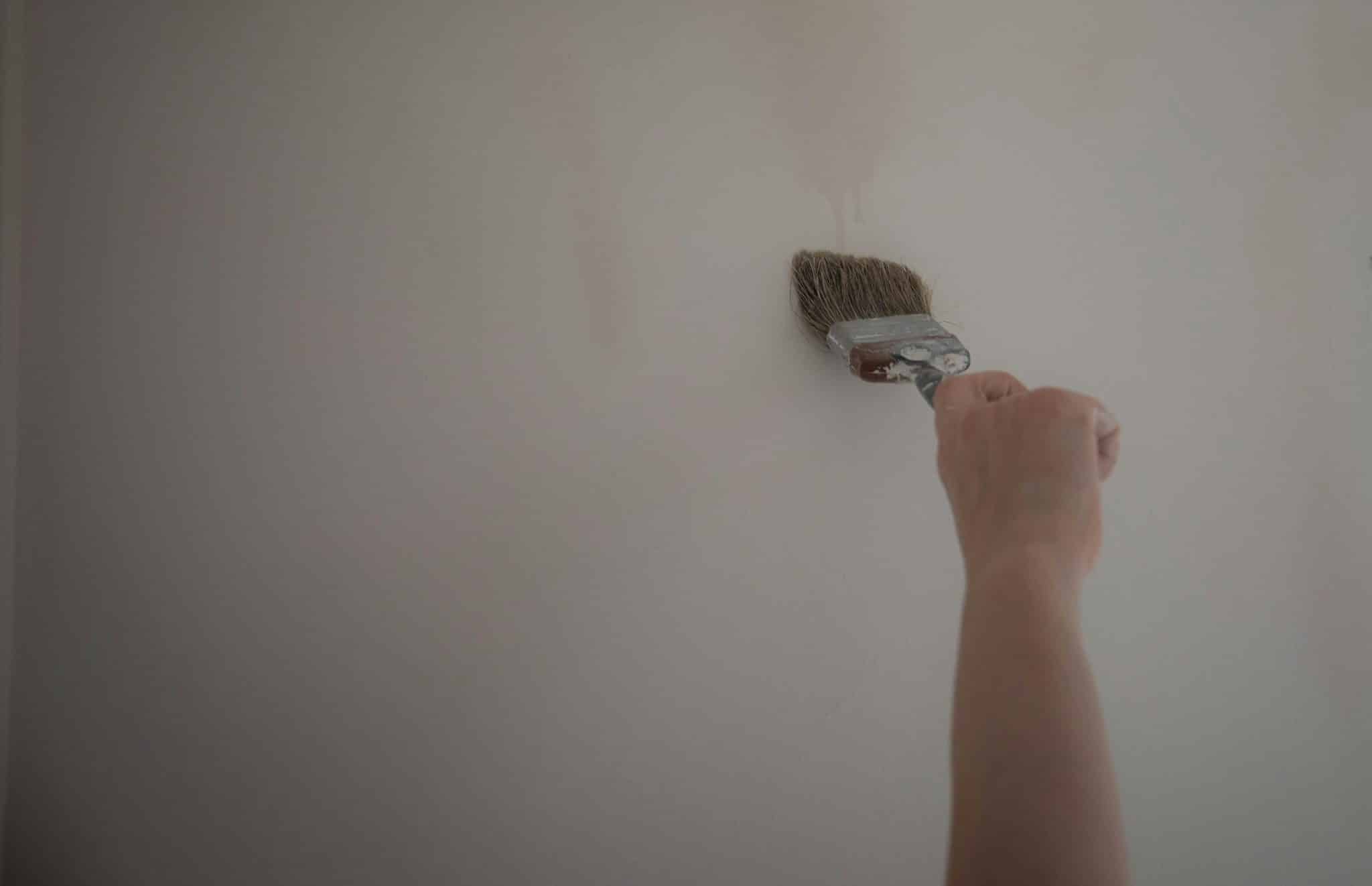

If you’ve ever stood in front of a freshly painted wall and thought, “Does this need another coat?” you’re not alone. It’s one of the most common questions homeowners ask, and the answer isn’t always straightforward. The number of coats your wall needs depends on several factors, and getting it right can save you both time and money.
Why the Number of Coats Matters
Applying too few coats leaves your walls looking patchy and uneven. Applying too much waste paint and adds unnecessary cost. Finding that sweet spot is the key to a beautiful, long-lasting finish.
Most walls need two coats of paint, but that’s not always the full story.
Factors That Decide How Many Coats You Need
1. The Color You’re Painting Over
If you’re going from a dark color to a light one, two coats are usually the minimum. Sometimes three coats are needed to fully cover the old shade. On the other hand, if you’re painting a similar or darker color over an existing one, a single coat might do the job.
2. The Type of Paint You’re Using
High-quality paints with good coverage often need only one or two coats. Cheaper paints tend to be thinner and less pigmented, which means you’ll likely need an extra coat to get a clean, even finish.
3. The Surface Condition
New drywall, patched areas, or heavily textured walls absorb paint differently than smooth, previously painted surfaces. New or repaired walls almost always need a primer coat followed by two coats of paint for the best result.
How Professionals Estimate Paint Coats
When you hire a professional painter, they don’t just show up and start rolling paint on your walls. They first evaluate the surface condition, existing color, paint type, and the finish you want. This is exactly where painting estimating services come in handy. A proper estimate accounts for every variable so that no coat is wasted and no step is skipped, saving you both time and money in the long run.
A Simple Guide by Situation
Painting over white or light color with another light color: One to two coats is usually enough.
Painting over a dark color with a lighter shade: At least two to three coats, plus a primer.
Painting new drywall or a freshly patched wall: Primer plus two coats is the standard approach.
Repainting with the same color for a refresh: One coat is often sufficient if the surface is clean and in good condition.
Using a bold or deep color: Expect two to three coats regardless of the surface.
Should You Always Use Primer?
Primer is not always required, but it is highly recommended in certain situations. If you are painting new drywall, covering a stain, switching from a very dark to a very light color, or painting over a glossy surface, primer will help your topcoat bond better and last longer. It can also reduce the number of paint coats you need, saving you time and product.
How to Know When a Coat Is Enough
The easiest way to check is to let the coat dry completely and then look at the wall in natural light. If you can see the previous color bleeding through, streaks, or uneven patches, it needs another coat. If the color looks solid and even from every angle, you’re done.
A good rule of thumb is to always wait the full drying time recommended on the paint can before applying the next coat. Rushing this step is one of the most common reasons walls end up looking uneven. Before starting any big project, consulting experts who offer painting estimating and takeoff services helps you plan how many coats your walls truly need and how much product to buy, so nothing goes to waste.
The Paint Finish Makes a Difference
Flat and matte finishes tend to cover better in fewer coats. Glossy and semi-gloss finishes are thinner in consistency and usually require an additional coat for full, even coverage. Choosing the right finish from the start can actually reduce the total number of coats your project needs.
The Paint Color Itself
Bold and highly saturated colors like deep red, bright yellow, or vivid orange are notoriously difficult to apply. These shades often need three or more coats to look solid and streak-free on your wall. Lighter and more neutral shades are almost always easier to work with and require fewer coats overall.
Final Thoughts
There is no single answer that works for every wall and every situation. The right number of coats depends on your surface, your paint, your color choice, and the finish you want. Taking a little extra time to prepare properly and apply paint correctly will always give you better results than rushing through the process.
When in doubt, two coats over a primed surface is a reliable starting point for most home painting projects.