
Have you ever walked into your home and immediately felt a draft, noticed musty odors, or found yourself constantly adjusting the thermostat? These common frustrations often trace back to a single issue: inadequate insulation that fails to protect your indoor environment. While most homeowners think of insulation purely as a way to save on energy bills, the impact on the air you breathe and your daily comfort runs much deeper than temperature control alone.
Understanding the Connection Between Insulation and Indoor Air Quality
Your home’s insulation does more than trap warm or cool air. The material serves as the first line of defense against outdoor pollutants, allergens, and moisture that compromise your living space.
What Makes Indoor Air Quality Important for Your Health
The average person spends roughly 90% of their time indoors. The air inside your home directly affects your well-being. Poor indoor air quality contributes to respiratory issues, allergic reactions, and long-term health conditions. Contaminants like pollen, dust mites, mold spores, and volatile organic compounds accumulate when your home lacks proper air barriers. Children, elderly family members, and anyone with asthma or allergies feel these effects most acutely.
How Traditional Insulation Falls Short in Air Quality Control
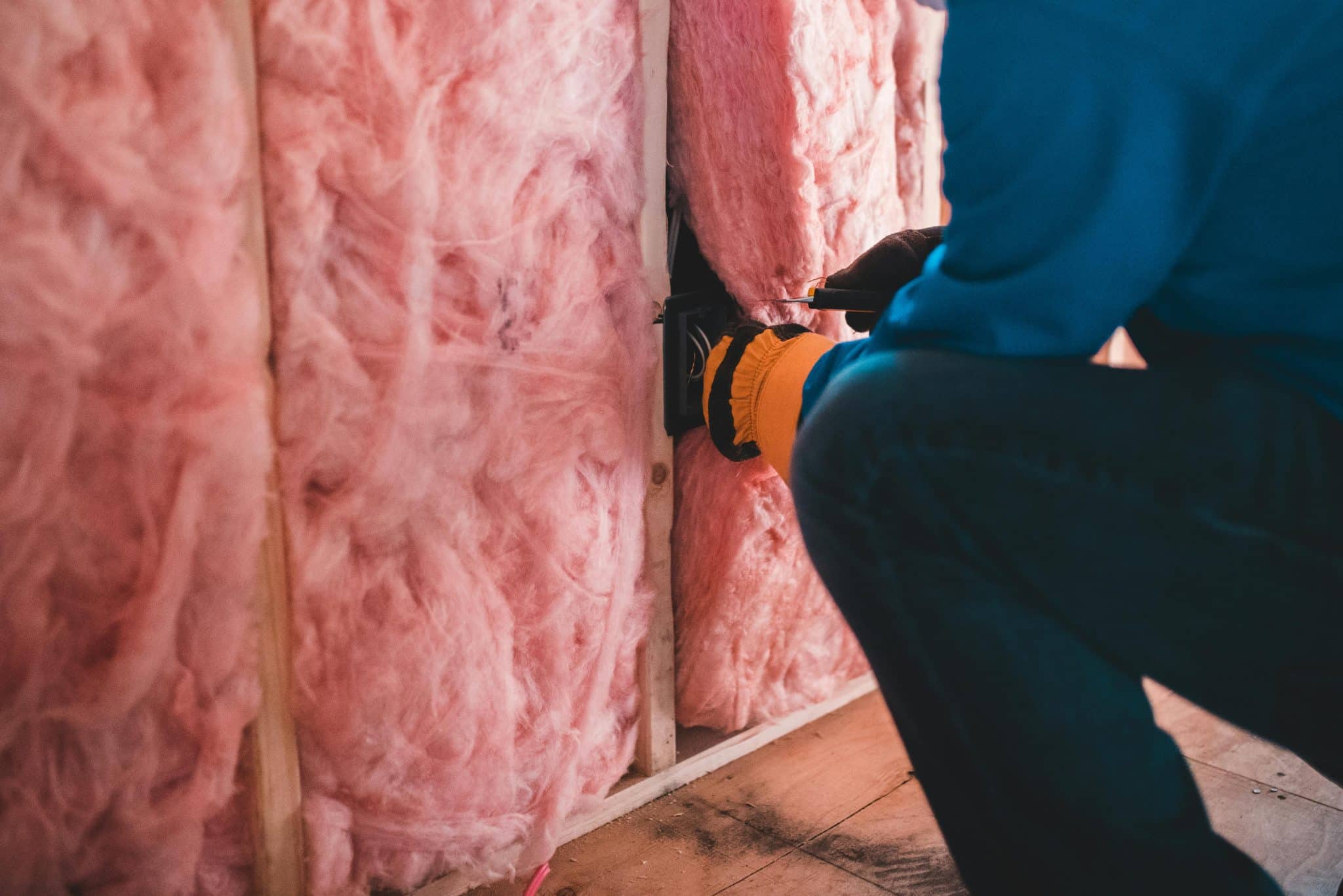
Fiberglass batts and loose-fill insulation create thermal resistance, but they don’t seal gaps where air infiltrates. These materials settle over time, leaving spaces where outdoor air and everything the air carries enters freely. Moisture seeps through, creating conditions where mold thrives.
The Science Behind Spray Foam Air Sealing
Unlike conventional materials, spray foam expands to fill every crack, crevice, and irregular space within your walls, attic, or crawl space. This expansion creates a continuous barrier that stops air movement at the source.
How Spray Foam Creates an Effective Air Barrier
When applied, spray foam undergoes a chemical reaction that causes the material to expand up to 100 times the original volume. This expansion allows the foam to conform to any surface, creating an air barrier insulation nearly impossible to achieve with traditional methods. The foam adheres to wood, metal, and concrete, forming a seamless seal that blocks air infiltration.
Preventing Outdoor Pollutants and Allergens from Entering Your Home
Air leaks account for 25 to 40% of energy used for heating and cooling. These leaks also serve as entry points for outdoor allergens. Pollen, vehicle exhaust, industrial pollutants, and agricultural chemicals all find their way inside through unsealed gaps. By eliminating these pathways, spray foam air sealing dramatically reduces the volume of contaminants entering your living space.
Key Ways Spray Foam Insulation Benefits Indoor Air Quality
The protective qualities of spray foam extend far beyond keeping conditioned air inside your home.
Blocking Airborne Allergens and Contaminants
The dense structure of spray foam acts as a filter, preventing microscopic particles from passing through your building envelope. This means fewer allergens circulating through your HVAC system and settling on furniture, bedding, and surfaces where they trigger reactions.
Moisture Control Insulation: Preventing Mold and Mildew Growth
Mold needs three things to grow: moisture, warmth, and organic material. Spray foam eliminates the moisture component by creating a vapor barrier that helps prevent condensation from forming inside wall cavities. When installed by experienced professionals, proper application techniques maximize moisture resistance while still allowing the building to maintain appropriate breathability. Homeowners and business owners looking for spray foam insulation in Paris, Greenville, Dallas, Plano, and Sulphur Springs, TX can benefit from expert installation services provided by trusted local specialists like 903 Spray Foam.
Eliminating Gaps That Allow Pests and Their Allergens Inside
Mice, insects, and other pests exploit even the smallest openings to enter homes. Once inside, they leave behind droppings, dander, and other allergens that contaminate indoor air. The expansive nature of spray foam seals these entry points, creating an inhospitable barrier pests cannot penetrate.
How Airtight Insulation Benefits Create Superior Home Comfort
Temperature consistency and air quality work hand in hand to create comfortable living spaces.
Maintaining Consistent Indoor Temperatures Year-Round
Hot and cold spots disappear when spray foam creates a complete thermal envelope. Rooms stay at even temperatures without constant HVAC cycling. You’re not constantly adjusting thermostats or dealing with rooms that never feel comfortable.
Eliminating Drafts and Cold Spots
Those chilly corners and rooms that never warm up stem from air infiltration. Spray foam stops these drafts completely, creating uniform comfort throughout your home. No more cold floors, no more curtains moving from invisible breezes.
Thermal Comfort Solutions: Beyond Temperature Control
The benefits of proper insulation extend into areas you might not immediately associate with building materials.
How Spray Foam Insulation Reduces Noise Pollution
The density of spray foam absorbs sound waves, reducing noise transmission from outside and between rooms. Traffic sounds, neighborhood activity, and outdoor equipment become less intrusive.
Creating a Healthier Home Environment Through Better Air Exchange
While sealing air leaks might seem counterintuitive to good ventilation, the process allows you to control air exchange intentionally. Instead of random infiltration through cracks, you implement controlled ventilation systems that bring in fresh air while filtering out pollutants.
Real-World Impact: Comparing Before and After Installation
Homeowners consistently report noticeable improvements following professional spray foam installation.
Indoor Air Quality Improvement Metrics to Expect
Air quality monitors show reductions in particulate matter, volatile organic compounds, and allergen counts after spray foam installation. These improvements become especially evident during high pollen seasons and periods of poor outdoor air quality.
Comfort Level Changes Homeowners Notice Immediately
Most people report feeling the difference within hours of installation completion. Drafts vanish, temperature swings moderate, and the overall feel of the home changes from drafty and inconsistent to comfortable and stable.
Choosing the Right Spray Foam Solution for Maximum Air Quality Benefits
Not all spray foam delivers identical performance, and application quality matters.
Open Cell vs Closed Cell for Indoor Air Quality Goals
Open cell foam provides excellent sound dampening and allows some moisture permeability, making the material suitable for certain climate zones and applications. Closed cell foam offers superior moisture resistance and higher R-value per inch. Working with closed cell spray foam insulation experts in Northeast, Texas ensures you get the right product for your specific needs and climate conditions.
Areas to Prioritize for Air Sealing and Comfort
Attics, crawl spaces, and rim joists typically offer the highest return on investment for air sealing efforts. These areas experience the most significant temperature differentials and air movement, making them prime candidates for spray foam application.
Does Spray Foam Insulation Deliver Real Air Quality and Comfort Benefits?
The answer depends on your current situation and expectations. Homes with significant air leakage, moisture issues, or inconsistent temperatures see dramatic improvements from spray foam installation. The investment pays dividends through reduced energy costs, improved health outcomes, and enhanced daily comfort.
If you’re dealing with allergies that seem worse at home, rooms that never feel comfortable, or energy bills that climb despite moderate thermostat settings, spray foam insulation benefits might provide the comprehensive solution you’ve been seeking. Your home should be a sanctuary where you breathe clean air and feel comfortable year-round. Proper insulation makes this goal achievable.