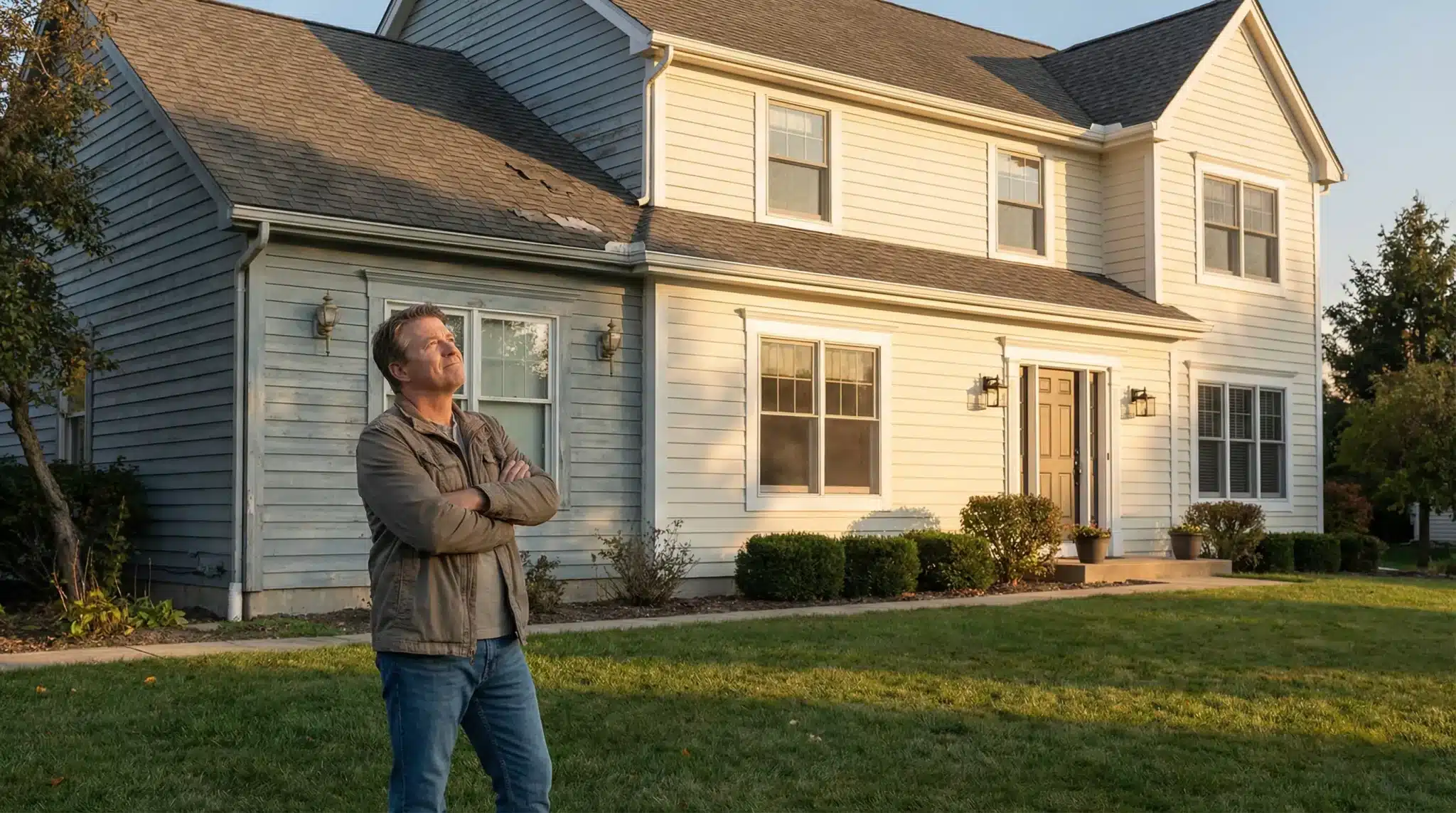

The home improvement industry has always depended on skilled tradespeople and hands-on expertise. Roofers, electricians, plumbers, and general contractors built their businesses through quality craftsmanship and word-of-mouth referrals. But behind every successful jobsite, many business owners face a persistent challenge: managing estimates, coordinating crews, and collecting payments using outdated methods.
That gap between on-site skill and back-office efficiency is growing harder to sustain. As competition intensifies and homeowners expect the kind of seamless digital experience they receive from other service providers, contractors who still rely on spreadsheets and phone calls are losing time, revenue, and opportunities. The companies that modernize their operations are pulling ahead, while those stuck in manual workflows fall further behind.
This article explores how technology and automation are transforming home improvement services, from scheduling and estimating to invoicing and team coordination.
Where Home Improvement Businesses Fall Behind
Running a successful home improvement company requires far more than quality work on-site. According to Grand View Research, the global construction and design software market is projected to grow from $11 billion in 2024 to over $19 billion by 2030. That trajectory reflects a broader reality: operational inefficiencies are costing contractors real money, and more businesses are actively seeking technology to close the gap.
The Estimation Problem
Creating accurate estimates is one of the most persistent challenges in the trades. Price a job too low and margins evaporate. Price it too high and the prospect moves on to a competitor.
Most contractors still build quotes using manual calculations, prior experience, and rough approximations. This method leaves room for expensive errors. Material prices shift frequently, crew productivity varies across projects, and overlooked scope details can quickly turn a profitable job into a loss. The estimation process also consumes significant time that could be spent on revenue-generating work.
Scheduling and Crew Coordination
Managing multiple crews across different job sites is a daily challenge for growing contractors. When one project runs longer than expected, the cascading effect disrupts an entire week of appointments. Factor in weather delays, supply chain issues, and last-minute client cancellations, and keeping a tight schedule becomes nearly impossible.
Without a centralized system, office managers resort to phone calls, text messages, and whiteboards to track crew locations and progress. These informal workarounds break down as a company takes on more work, and important updates get missed along the way.
The Cash Flow Squeeze
Many contractors wait weeks to get paid after completing a job. Paper invoices get delayed or lost. Follow-up happens inconsistently. This slow collection cycle creates cash flow pressure that limits growth and sometimes forces businesses to turn down new projects because they cannot cover upfront material costs.
How Modern Software Solves These Operational Challenges
Technology is not replacing skilled tradespeople. It is automating the administrative tasks that drain their time and attention. Modern field service platforms now handle scheduling, estimating, invoicing, and communication with minimal manual input required.
Smart Scheduling and Route Planning
Automated scheduling tools analyze job locations, crew availability, and estimated travel times to generate optimized daily routes automatically. Instead of manually juggling assignments and hoping the timing works, contractors get efficient plans in seconds.
This is particularly valuable for roofing companies that manage multiple crews across a wide service area. Purpose-built roofing contractor software handles dispatching, route optimization, and real-time status updates from a single dashboard. Office teams and field crews stay aligned without the constant back-and-forth of calls and texts.
Automated Estimating and Quoting
Modern estimating tools pull in live material pricing, labor rates, and project specifications to produce accurate, professional quotes in minutes. Some platforms also reference historical job data to improve pricing accuracy over time.
This eliminates much of the guesswork that leads to underpriced bids or lost opportunities. When a contractor can send a detailed proposal the same day a homeowner reaches out, their conversion rate improves significantly.
Faster Invoicing and Payment Collection
Automation also accelerates the billing cycle. When a crew marks a job complete, the system generates an invoice, sends it to the client, and processes payment through integrated tools. The result is faster collections and healthier cash flow without the manual follow-up that most contractors dread.
For businesses that previously spent evenings catching up on invoicing, this alone represents a meaningful improvement in both finances and daily quality of life.
What This Shift Means for Homeowners and Contractors
The benefits of technology adoption reach well beyond the back office. When contractors modernize their operations, the improvements become visible to every homeowner they serve.
Greater Transparency for Homeowners
Today’s homeowners expect a modern experience from their service providers. They want to know when a crew will arrive, what the work will cost, and what was completed. Automated systems deliver real-time appointment updates, itemized cost breakdowns, and digital records of every interaction.
This transparency builds trust and reduces the anxiety that often accompanies hiring someone for a major repair or renovation. It also minimizes disputes, since both parties have clear documentation of project scope and pricing from the start.
A Higher Standard of Professionalism
When a contractor arrives with a digital estimate, sends automated appointment reminders, and offers on-site payment processing, it signals a level of organization that stands out. Homeowners notice, and they remember that experience when friends or neighbors ask for recommendations.
First impressions matter in home improvement services, and technology helps contractors make consistently strong ones.
New Opportunities for Smaller Contractors
Modern software platforms are especially impactful for small and mid-sized companies. A lean roofing crew can now access the same scheduling, estimating, and invoicing capabilities that previously required dedicated office staff and enterprise-grade budgets.
This levels the competitive landscape and helps smaller operators pursue larger contracts and grow their businesses without proportionally increasing overhead.
Building a Stronger Industry
The home improvement sector is experiencing a quiet but significant transformation. Technology and automation are not replacing the skilled professionals who build, repair, and renovate homes. They are removing the administrative friction that prevents good contractors from growing into great businesses.
Companies that embrace these tools today are closing more bids, completing projects faster, and collecting payment sooner. Homeowners are receiving clearer communication, more accurate pricing, and a noticeably better service experience.
As these platforms become more accessible, the gap between digitally equipped contractors and those relying on manual processes will only widen. The businesses that adapt now will define what professionalism looks like across the home improvement industry for years to come.