
Improving a property’s value involves more than major renovations or expensive upgrades—it comes from smart, targeted changes that make everyday living more functional and appealing. Adding value to a home requires focusing on updates that enhance comfort, efficiency, and long-term potential. From fresh paint and landscaping to energy-efficient systems, each upgrade can influence how a property looks, feels, and performs.
Today’s homeowners weigh cost, design, and sustainability when deciding where to invest. Whether preparing to sell or simply improving quality of life, making thoughtful choices can strengthen both market appeal and personal satisfaction.
As the article explores practical home improvements, strategies for increasing energy efficiency, and ways to add functional space, it shows how each choice directly contributes to a more valuable and enjoyable home.
Home Improvements That Boost Value
Targeted upgrades in key areas of a home can raise its market value and help it stand out to buyers. Attention to design quality, material durability, and overall presentation often yields the best return while avoiding unnecessary expenses.
Modernizing Kitchens
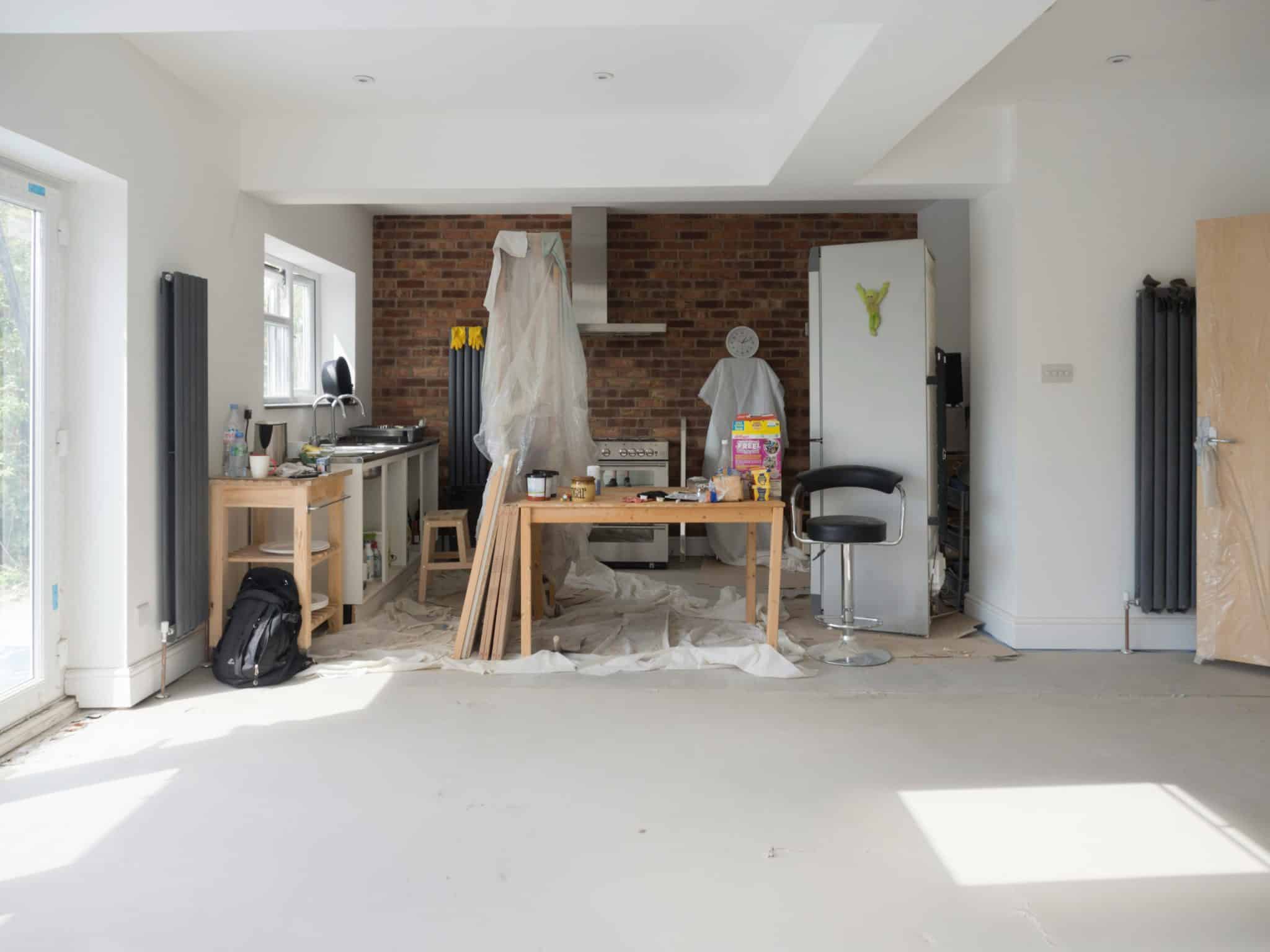
A well-planned kitchen update consistently provides one of the highest returns on investment. Replacing worn cabinets with streamlined, flat-panel or shaker-style units offers a fresh, modern appearance without requiring a full rebuild. Upgrading appliances to energy-efficient models improves both function and appeal.
Homeowners often benefit from adding more practical storage, better lighting, and durable surfaces. Quartz or stone benchtops remain popular for their low maintenance and longevity. Choosing a neutral color palette helps attract a wider range of buyers.
Budget-friendly changes—such as new hardware, tapware, or a tiled splashback—can modernize the space without extensive structural work. Ensuring consistent finishes across fixtures maintains a cohesive and professional result.
Upgrading Bathrooms with New Shower Screens
Bathrooms quickly date when fittings look tired or discolored. Installing a frameless glass shower screen replaces old enclosures that can make a space feel small or cluttered. Clear glass expands the sense of light and space while appearing cleaner and more modern.
Tempered safety glass and quality fittings add durability, reducing the risk of corrosion or leaks. This type of upgrade suits both full renovations and simple refreshes where the tile layout remains unchanged.
Complementary updates—like modern tapware, soft-close vanities, or efficient ventilation—can elevate the room’s presentation. Consistency in metal finishes (for example, choosing all brushed nickel or all matte black) creates a unified and balanced look without increasing costs substantially.
Enhancing Curb Appeal with Landscaping
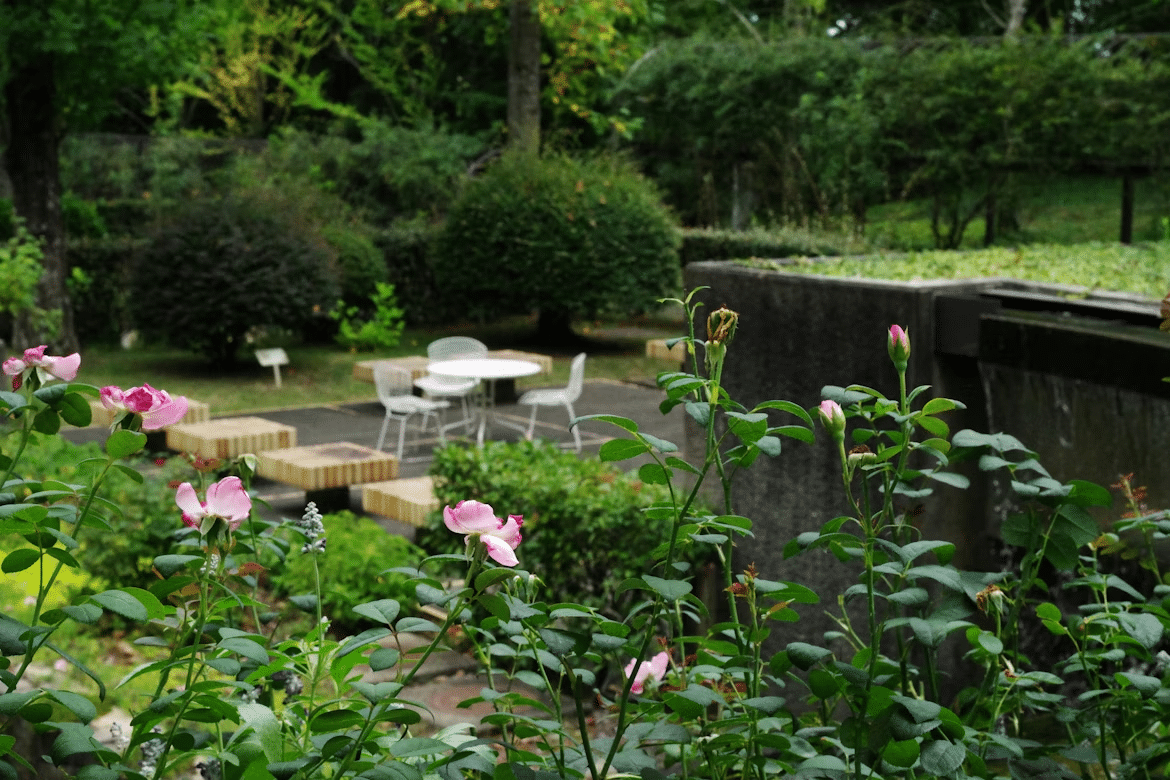
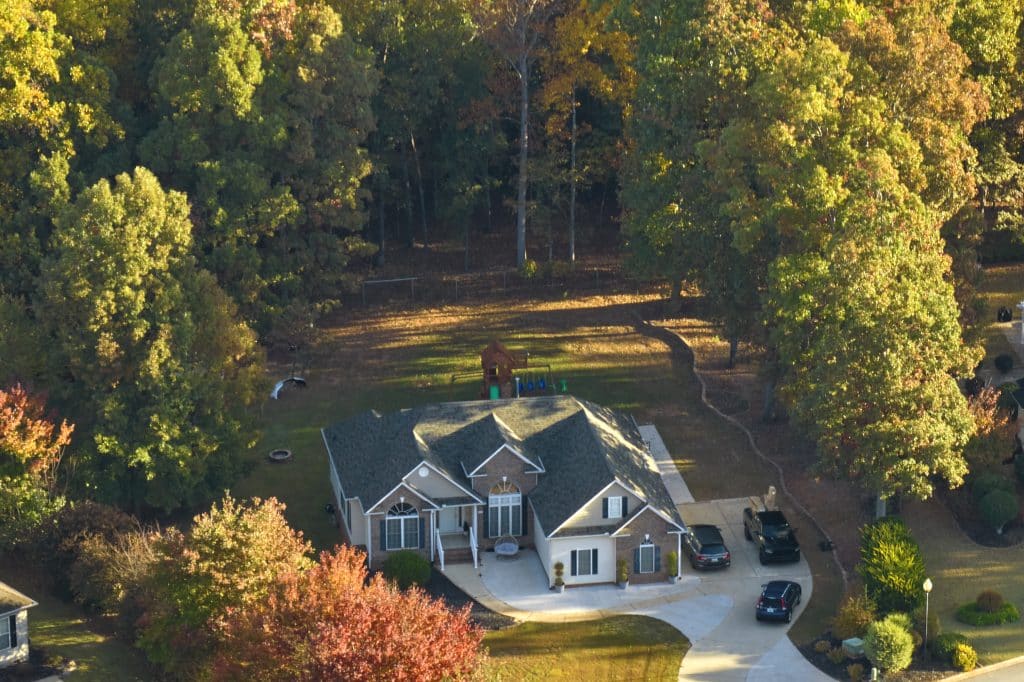
The exterior often shapes a buyer’s first impression. Low-maintenance landscaping, such as well-defined garden beds, trimmed greenery, and tidy lawn edges, increases visual appeal and communicates good upkeep. A landscaping team like Ecovolve can make your front yard look beautiful.
Adding native plants suited to the local climate reduces water use and makes maintenance easier. Installing a simple irrigation system can further protect long-term presentation. Fencing repairs, fresh paint on the front door, and updated house numbers add subtle but noticeable value.
Well-placed outdoor lighting can make pathways safer and highlight architectural details. A small outdoor seating area or deck encourages buyers to visualize the space as an extension of the home’s living area. These straightforward improvements reinforce the property’s overall quality and presentation.
Maximizing Energy Efficiency
Improving how a home uses and retains energy helps lower utility costs and makes the property more attractive to buyers. Strategic upgrades such as better insulation and efficient openings reduce heat transfer, stabilize indoor temperatures, and add long-term value.
Insulating Walls and Attics
Adequate insulation reduces the amount of heating or cooling needed to maintain comfort. In older homes, adding insulation to walls and attics is often the most cost‑effective step. Materials such as fiberglass batts, blown‑in cellulose, or spray foam vary in price and performance, so owners should choose based on local climate and construction type.
Professionals measure insulation effectiveness using the R‑value. Higher numbers indicate better resistance to heat flow.
Replacing Windows and Doors
Windows and doors affect both heat loss and natural light levels. Installing double‑glazed or triple‑glazed units improves insulation by trapping air or gas layers between panes. Modern frames made of uPVC, fiberglass, or thermally broken aluminium further reduce thermal transfer compared to older timber or metal options.
When replacement is not feasible, secondary glazing or thermal blinds can provide similar benefits. Proper installation is critical—poorly sealed edges can negate efficiency gains.
Energy‑rated window systems often include low‑emissivity (Low‑E) coatings that reflect infrared heat while allowing visible light. Replacing or upgrading doors with insulated cores, weatherstripping, and tight thresholds helps maintain indoor comfort and prevents unnecessary heating or cooling.