
Have you ever felt like your home no longer fits your family’s lifestyle? As your family grows, your needs evolve too—whether it’s space for kids to play, an office for remote work, or a cozy spot for quiet evenings. The key to long-term comfort lies in designing a home that adapts through every stage of life. A flexible home means fewer costly moves and more meaningful memories under one roof.
In this blog, we will share practical ways to create a home that grows with your family, offering comfort, flexibility, and functionality for years to come.
Plan for Flexible Spaces
When creating a home that evolves with your family, flexibility is essential. Rooms should have the ability to serve multiple functions over time. A nursery can later become a study room, and a playroom might turn into a guest bedroom when kids grow older. Designing with adaptability in mind helps you make the most of your space without constant renovations. Built-in shelves, adjustable lighting, and movable furniture allow rooms to change easily based on your family’s shifting needs.
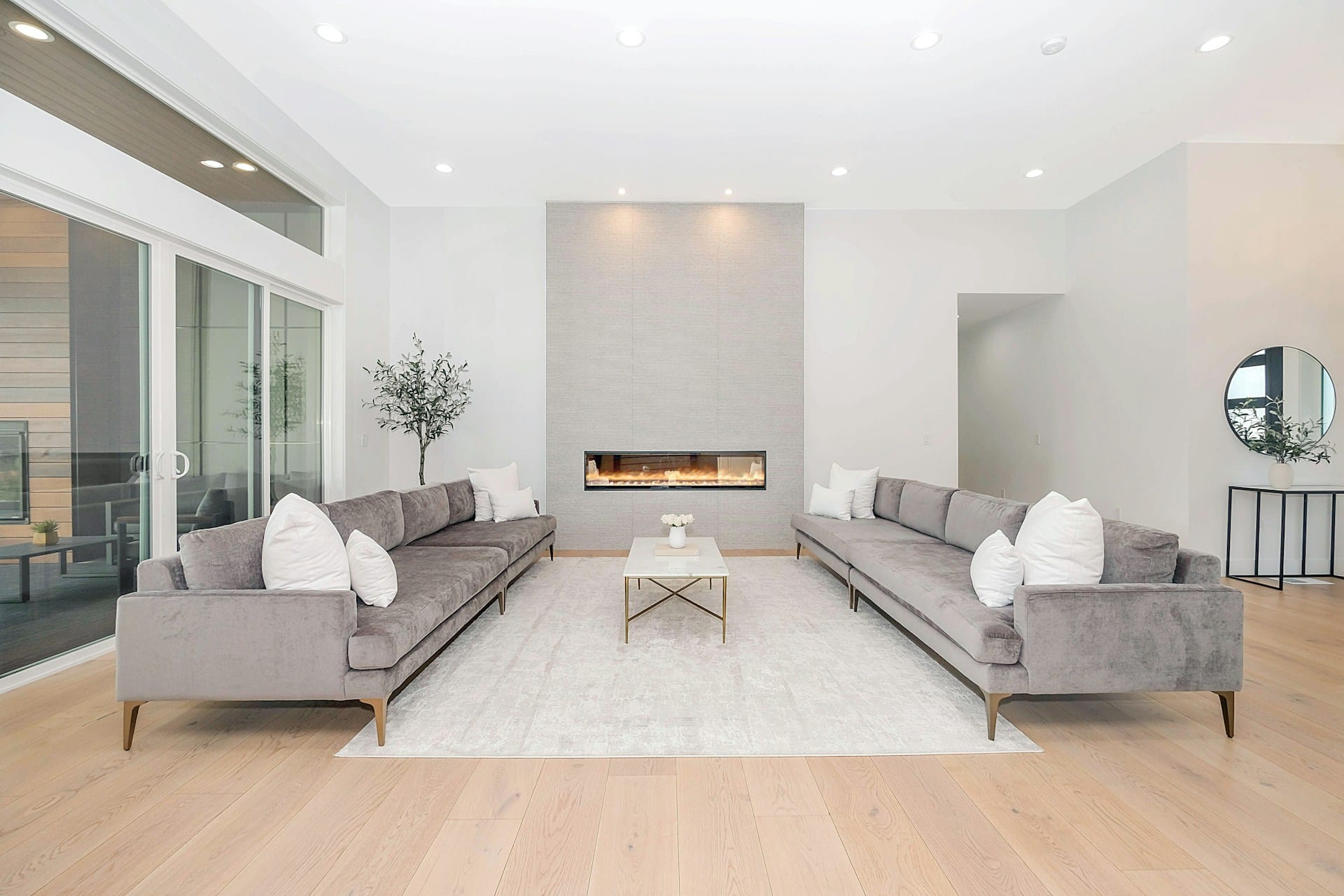
Think about how your lifestyle may look five or ten years from now. Open-concept layouts are especially helpful because they can be customized with furniture or partitions as your family grows. Avoid overly specialized rooms that might limit future possibilities. Instead, choose designs that allow you to reconfigure spaces as life changes. By making flexibility part of your design strategy, you’ll save time and money while keeping your home functional and enjoyable for every stage.
Focus on Quality and Craftsmanship
Building a home that lasts requires more than just good design—it demands quality materials and expert workmanship. Investing in skilled professionals like Quality Craftsmen can make a major difference in how your home stands the test of time. They specialize in remodeling and renovation services that improve your home’s value while enhancing comfort and durability. From custom cabinetry to energy-efficient upgrades, working with experts ensures every detail meets your family’s long-term needs.
Durability should be a top priority when planning updates or new builds. High-quality flooring, weather-resistant materials, and reliable fixtures make your home easier to maintain and more cost-effective in the long run. Professional craftsmanship also adds aesthetic appeal that stays timeless, so your home continues to look beautiful as your family grows. Choosing the right partners early in your project helps create a solid foundation for years of happy living.
Create Storage That Adapts
Families accumulate a lot over the years—from baby gear and toys to sports equipment and seasonal decorations. Smart storage solutions help keep clutter under control while adapting to changing needs. Built-in shelving, under-stair storage, and modular cabinets can expand or be rearranged as your family grows. Well-planned closets and concealed storage spaces make your home feel organized and calm, even as life gets busier.
Think beyond traditional storage ideas. Consider adding storage benches in entryways, multipurpose furniture with hidden compartments, or even garage shelving systems. These features not only maximize available space but also make cleanup easier for everyone. As your children grow, you can easily adjust the space to store new hobbies, school materials, or home office supplies. Flexible storage keeps your home functional, tidy, and ready for life’s changes.
Prioritize Energy Efficiency
A family-friendly home should be comfortable and affordable to maintain. Energy-efficient upgrades such as LED lighting, insulated windows, and programmable thermostats can make a big difference. These features reduce utility bills while keeping your home comfortable year-round. Over time, energy-efficient choices save money and make your home more sustainable, benefiting both your family and the environment.
Simple improvements can have lasting impact. Sealing air leaks, adding insulation, and installing modern HVAC systems improve comfort for everyone. You can also explore renewable options like solar panels if your budget allows. Creating an energy-smart home not only supports your family’s financial goals but also sets a positive example for the next generation about sustainable living. It’s a long-term investment that grows with your family’s future.
Design Kid-Friendly but Grown-Up Spaces
A growing family needs a balance between kid-friendly design and adult comfort. Durable materials, rounded furniture edges, and washable surfaces keep your home safe and easy to maintain during the early years. However, this doesn’t mean you have to compromise on style. By choosing neutral colors and classic finishes, you can easily refresh the space as your children grow.
As kids become teenagers, you can transition play zones into study areas or entertainment rooms. Modular furniture makes this shift easy. A home that accommodates both playtime and privacy helps every family member feel comfortable. When each space serves both fun and function, your home becomes a supportive environment for every age and stage.
Blend Indoor and Outdoor Living
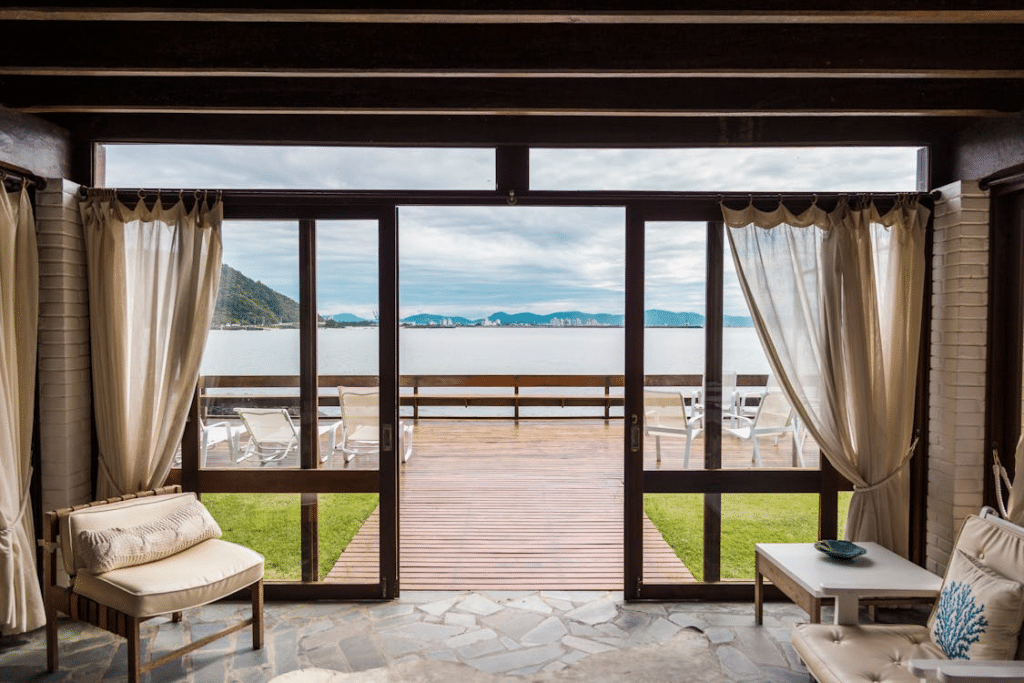
Expanding your living area outdoors is a great way to create more usable space without adding square footage. Decks, patios, and screened porches extend your home’s footprint, giving your family more room to gather, play, and relax. These areas are perfect for hosting get-togethers, enjoying meals outside, or unwinding after a long day.
When designing outdoor spaces, think about how they’ll be used in different seasons. Covered patios or pergolas make outdoor living enjoyable year-round. Adding features like outdoor lighting and seating encourages family time and relaxation. Whether you’re barbecuing in summer or sipping cocoa in fall, outdoor spaces can adapt to your family’s changing routines and preferences.
Make Accessibility a Priority
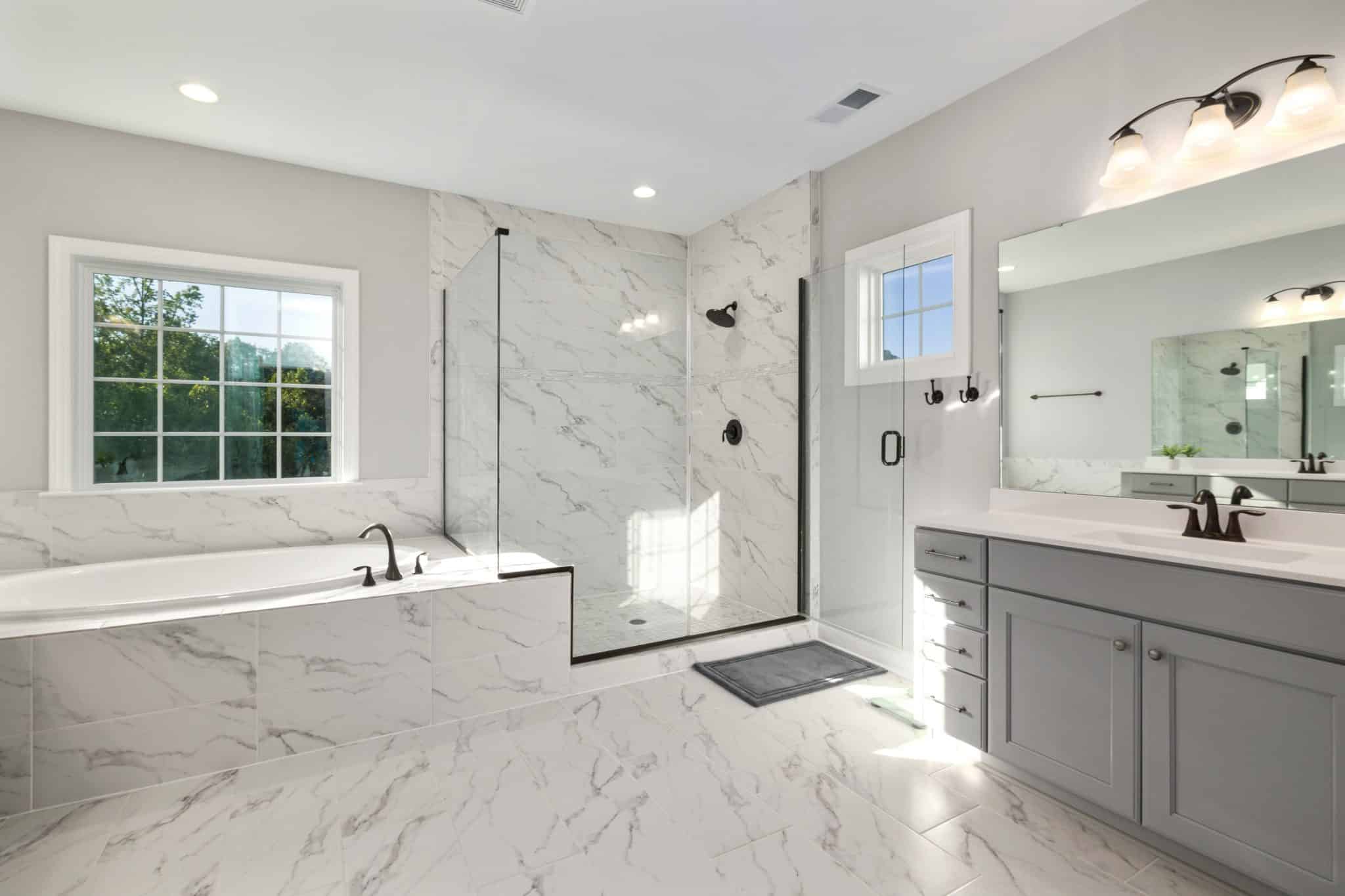
As your family grows, accessibility becomes increasingly important. Consider features like wider doorways, walk-in showers, and easy-to-reach storage that make your home safer and more convenient. These design choices support children, adults, and older relatives alike. A home that’s easy to move around in provides comfort for everyone, no matter their age or ability.
Planning for accessibility doesn’t mean sacrificing style. Many modern home designs include sleek, functional features that blend seamlessly with your décor. Building with accessibility in mind also adds long-term value to your property, making it appealing to future buyers. Simple design adjustments today can make your home more welcoming and functional for decades.
In conclusion, a home that grows with your family isn’t built overnight—it’s shaped through thoughtful choices that blend flexibility, quality, and care. The best homes are those that evolve with the people who live in them, offering comfort, warmth, and possibilities with every new chapter.