
Medical waste does not stop being a risk just because it is generated at home. In shared housing, that risk increases significantly because waste handling is not controlled by one person, as trash bins and bathrooms are shared. When medical waste is mixed into regular household systems, intentionally or unintentionally, it creates exposure for others living in the shared household. Understanding the right medical waste disposal steps and what qualifies as medical waste in shared living spaces is the first step to eliminating possible risks.
What Counts as Medical Waste in a Shared Living Space
Medical waste in shared housing is overlooked as it does not resemble what people associate with clinics or hospitals. In reality, many everyday items used for home care or treatment fall into this category.
Sharps and Piercing Items
Sharps include needles, lancets, and auto-injectors used for medication delivery or blood monitoring. These items can injure someone easily if placed in regular trash. In shared housing, a single discarded sharp can injure a roommate, cleaner, or waste handler, even days later.
Contaminated Disposable Items
Bandages, gauze, gloves, wipes, and swabs are medical waste after they are exposed to blood or bodily fluids. These items may appear harmless when discarded, but they can carry pathogens. In shared bathrooms or common trash bins, improper disposal can increase the chances of accidental contact.
Medication-Related Waste
Expired or partially used prescriptions and at-home testing supplies also need to be discarded safely. These items should not be flushed or mixed with household waste. In shared housing, disposal systems are used by multiple people, so proper disposal is even more important.
Why Medical Waste Is Risky in Shared Housing
Waste management becomes difficult to manage when disposal systems are shared, and multiple people use the same spaces, bins, and facilities.
Increased Exposure to Others
In shared housing, medical waste is handled by people other than the people who generated it. Roommates may take out the trash, clean shared bathrooms, or move items without knowing what is inside a bag or container. Even properly wrapped waste can become a problem if it is placed in the wrong bin or left in a common area.
Shared Spaces Multiply the Risk
Shared waste areas increase the chances of accidental contact. When medical waste is mixed with household waste, the margin for error narrows. What would have been a minor disposal mistake in a private home can become a safety issue in a shared living environment.
Legal and Housing Concerns
Improper disposal can create problems in more than just health and safety. Many leases and Housing policies place responsibility for safe waste handling on tenants. If medical waste causes injury or contamination in a shared area, it leads to complaints and violations of housing agreements.
Common Medical Waste Disposal Mistakes at Home
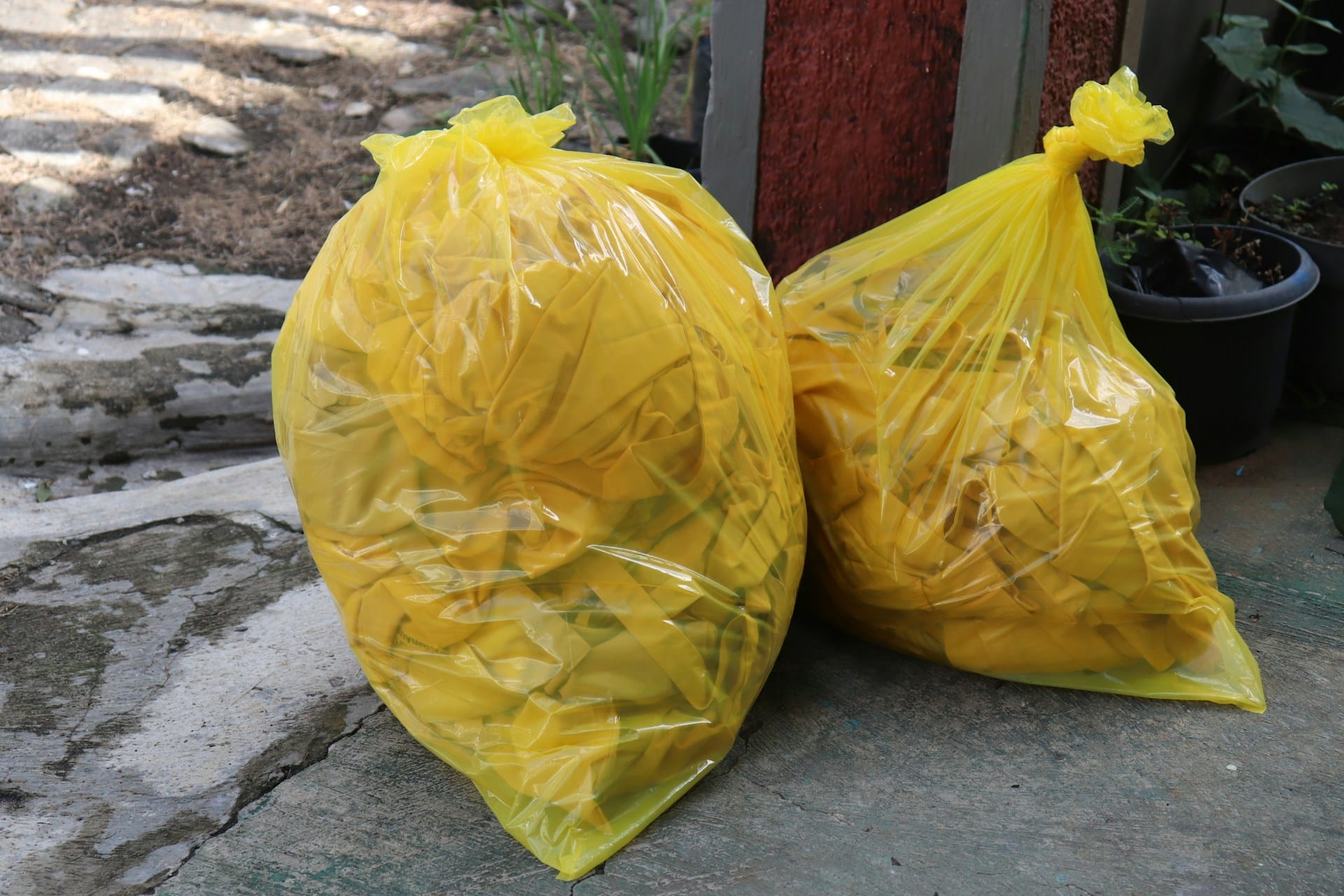
Most disposal mistakes in shared housing are not intentional. They happen because medical waste looks similar to everyday trash. Here are some of the possible medical waste disposal mistakes:
- Placing sharps and or contaminated items in regular trash bags, even when they are wrapped or sealed.
- Storing medical waste in shared bathrooms where others may handle or discard it unknowingly.
- Using improvised containers such as bottles, jars, or cardboard boxes instead of approved disposal containers.
- Allowing medical waste to accumulate because disposal feels inconvenient or is easy to delay.
- Assuming another person in the household will handle disposal safely.
How to Store Medical Waste Safely Before Disposal
Safe disposal starts with safe storage. In shared housing, medical waste should be contained in a way that prevents contact, leakage, or confusion with household trash.
Using Proper Containers
Sharps should always be disposed of in puncture-resistant containers that are specifically designed for medical use. These containers are made to prevent needles or lancets from breaking through during handling. Contaminated disposal items should be sealed in leak-resistant containers that can be closed securely. Makeshift containers are neither reliable nor recommended.
Safe Storage Within the Home
Medical waste should be kept in shared areas and general trash bins. Avoid kitchens and shared bathrooms to store or dispose of. Choose a spot that stays out of the way and is not actively used for other daily tasks. In shared housing, keeping medical waste clearly separated from household waste prevents it from being handled by someone who is unaware of the content.
Medical Waste Disposal Options for Shared Housing
Shared housing set up needs different disposal approaches based on how much medical waste is generated and how often.
- Pharmacy or community drop-off programs: Some pharmacies and local programs accept sharps and limited medical waste through designated drop-off points. These programs usually have strict guidelines on container types and accepted items, so checking in advance is recommended.
- Mail-back disposal services: Mail-back services allow medical waste, mostly sharps, to be sealed in approved containers and returned through pre-arranged shipping. This option works well for people who generate waste regularly but in smaller quantities.
- Scheduled medical waste pickup service: For ongoing treatment or higher volume of waste, scheduled pickup services offer a convenient solution. It is collected directly from the home and handled according to disposal regulations. This reduces the risk of contamination among roommates and property staff.
- Why household trash is not an option: Regular trash and recycling systems are not designed to handle medical waste in shared housing, as contamination and risk of injury increase significantly.
Creating a Safer Shared Living Space
Medical waste disposal in shared housing is about day-to-day habits, and clarity around shared responsibility plays a big role in keeping everyone safe in the shared space.
Setting Clear Boundaries with Roommates
Medical waste should be handled by one person only. It should be stored in a fixed location and not placed in shared bins or areas. Other residents should not have to sort, move, or guess what they are handling.
Respecting Shared Spaces and Responsibilities
Medical waste does not belong in shared bathrooms, kitchens, or common trash areas, even for short periods. These spaces are used frequently, and keeping medical waste out of them reduces the chance that someone handles it out of habit.
Understanding Housing and Property Expectations
Most shared housing setups hold residents responsible for anything that creates risk in common areas. Medical waste does not need to be named explicitly in a lease to cause issues. If disposal affects shared spaces or staff, responsibility usually falls on the person generating the waste.
When Professional Medical Waste Disposal Makes Sense
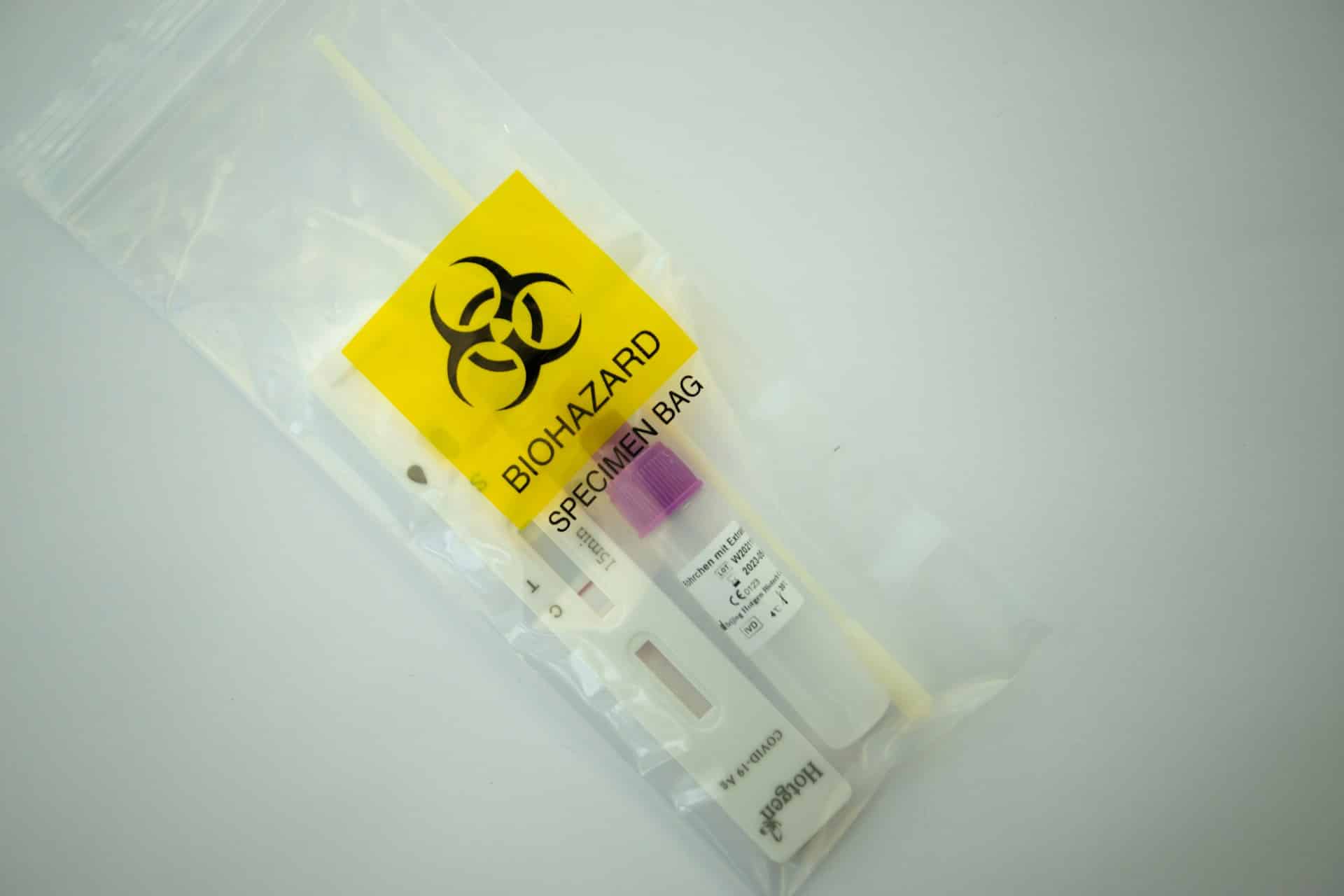
When medical waste is generated regularly in shared housing, it can become difficult to manage without involving other people in the space. It makes sense to get professional disposal services if sharps are part of daily and frequent healthcare. Professionals remove medical waste from the home and handle it separately from household waste.
Final Thoughts
Medical waste in shared housing needs to be handled safely so it does not affect other residents or staff. Storage, disposal timing, and container choice matter more when trash systems and common areas are shared. What works in a private home does not always work well in shared living arrangements. When waste cannot be kept separate or removed consistently, alternative or professional disposal methods should be used.