
Good lighting changes everything about a room. It can make small spaces feel bigger, dark corners come alive, and ordinary rooms look magazine-ready.
You don’t need to hire an expensive designer to get lighting right. Start by choosing the right fixtures for your space, like a modern dining room light fixtures with clean lines for modern homes or detailed pieces for traditional styles, then learn where to place them for maximum impact.
This guide shows you exactly how to light every room in your home. From basic principles to placement tricks, you’ll learn what works and why.
Why Most Homes Get Lighting Wrong
Walk into most homes, and you’ll see the same mistake. One overhead light is trying to do everything.
That single ceiling fixture creates harsh shadows, makes people look tired, and flattens the whole room. It’s functional, but it’s not pretty.
The three-layer rule fixes this:
- Ambient lighting: Your main source of light that lights the whole room
- Task lighting: Focused light for specific activities
- Accent lighting: Highlights features and adds mood
When you layer these three types, rooms suddenly feel complete. Each light has a purpose instead of one fixture doing too much.
Think about your outdoor spaces, too. Outside lights along pathways and near entryways not only make your property safer after dark but also extend your living space into the yard, creating areas you can use well into the evening. The right exterior lighting transforms how your whole home feels.
Start With Your Room’s Natural Light
Before you buy anything, watch how sunlight moves through your space.
Morning light hits different walls than afternoon sun. Some rooms stay dark all day, while others get flooded with brightness.
Your artificial lighting should work with natural light, not fight it. East-facing rooms need less morning light but more help in the evening. South-facing spaces stay bright most of the day.
North light stays consistent but cooler. West rooms need heavy curtains by afternoon unless you like that golden glow.
Quick tip: Take photos of your room at different times. You’ll spot dark corners and bright spots you hadn’t noticed.
Choosing Fixtures That Actually Fit Your Style
Lighting fixtures are like jewelry for your home. They need to match your overall look.
Modern spaces with clean lines and minimal furniture work best with fixtures that have sleek metal finishes and simple geometric shapes. These pieces become statement elements without demanding too much attention.
Traditional homes need fixtures with more detail. Think glass shades, bronze finishes, and classic shapes. Rustic spaces want natural materials like wood and iron.
Mix metals if you want, but keep the overall vibe consistent. A farmhouse chandelier looks odd in a modern loft. A geometric pendant feels wrong in a cottage.
Size matters more than people think:
- Dining tables need fixtures 12 inches narrower than the table width
- Entryway chandeliers should be about one-third the width of the door
- Living room pendants work best 30-36 inches above surfaces
The Entryway Sets the Tone
Your entryway is the first thing people see. The lighting here tells visitors what to expect.
A statement ceiling fixture works in entries with high ceilings. Keep it proportional to the space. Too small looks cheap. Too big overwhelms.
Low ceilings need flush-mount or semi-flush fixtures. These hug the ceiling while still providing style. Add a table lamp on a console if you have room.
If your entry opens straight into your living room, the lighting needs to flow smoothly between spaces. Don’t create a harsh change. Match the style or keep it neutral enough to work with both areas.
Living Rooms Need Flexibility
Living rooms do everything. Reading, watching TV, entertaining, relaxing. The lighting needs to adapt.
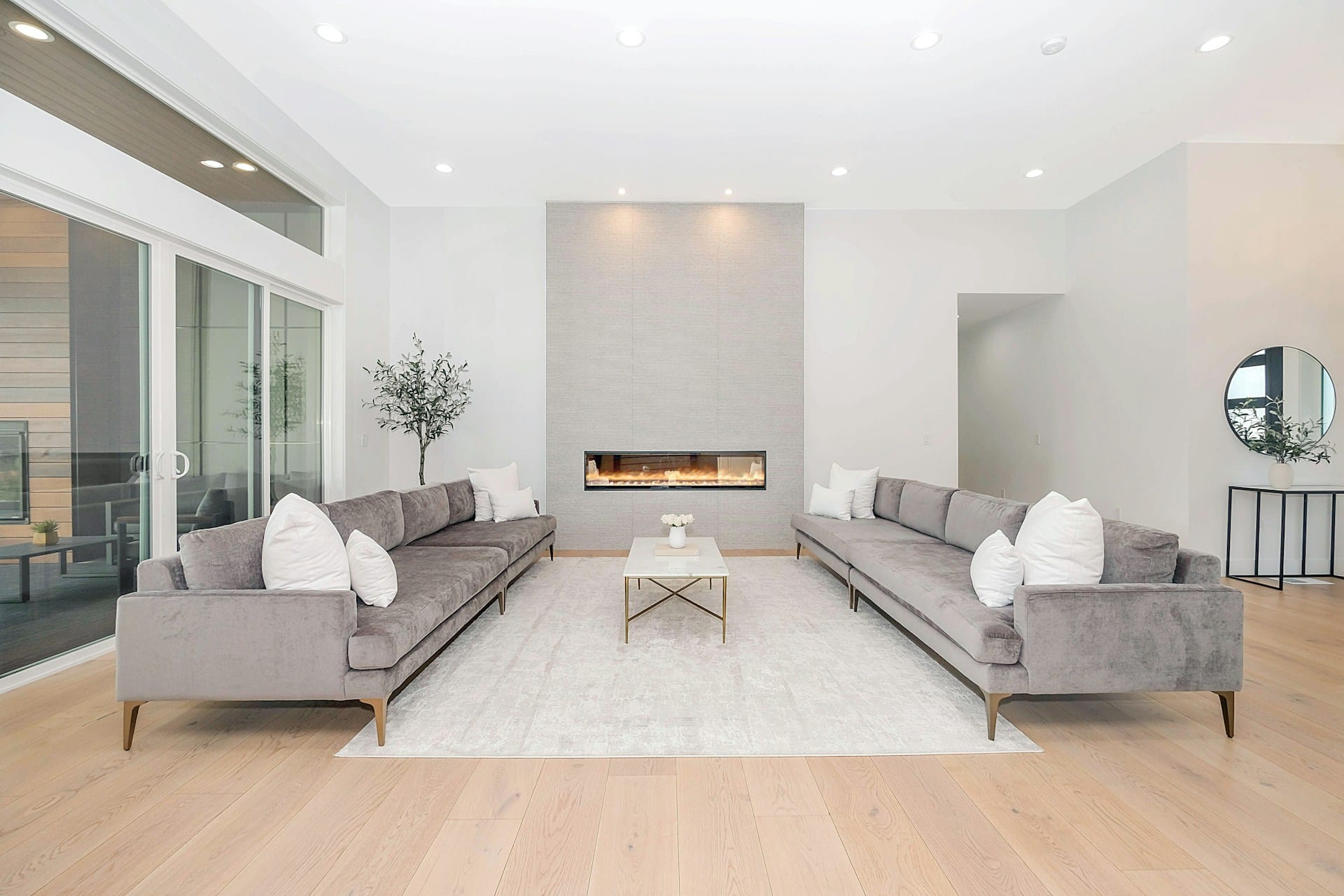
Start with a central fixture for ambient light. This could be a chandelier, pendant, or ceiling fan with lights. Put it on a dimmer so you can adjust the mood.
Add floor lamps in reading corners. Swing-arm styles work great because you can direct light exactly where you need it. Table lamps on side tables create pools of warm light.
Don’t forget the walls. Picture lights or wall sconces add another layer without taking up floor space. They make the room feel taller and more finished.
Pro tip: Use warm bulbs (2700K-3000K) in living spaces. They feel more inviting than cool white.
Kitchen Lighting That Works
Kitchens need bright, even light for safety and function.
Overhead recessed lights provide good ambient coverage. Space them about 4 feet apart for even distribution. Avoid creating shadows over work areas.
Under-cabinet lighting is not optional. It brightens countertops where you prep food. LED strips work best because they stay cool and last for years.
Pendant lights over islands should hang 30-36 inches above the surface. Use two or three fixtures instead of one for better coverage. Make sure they don’t block sight lines across the kitchen.
If you have a dining area in your kitchen, separate that lighting from the work zone. A dimmer chandelier over the table creates ambiance while task areas stay bright.
Bedroom Lighting for Sleep and Function
Bedrooms need soft ambient light and good reading light by the bed.
Overhead fixtures should be dimmable. Bright lights before bed make it harder to sleep. Save those for closets and bathrooms.
Bedside lamps need to be high enough that the light hits your book, not your eyes. The bottom of the shade should sit at shoulder height when you’re sitting up in bed.
Wall-mounted reading lights save nightstand space. Swing-arm versions let you adjust the angle. They look cleaner than table lamps with cords.
Closet lighting matters more than people realize. Motion-sensor LED strips inside make getting dressed easier. You’ll actually see the colors of your clothes.
Bathroom Lighting Mistakes to Avoid
Most bathrooms have one overhead light and call it done. That creates terrible shadows on faces.
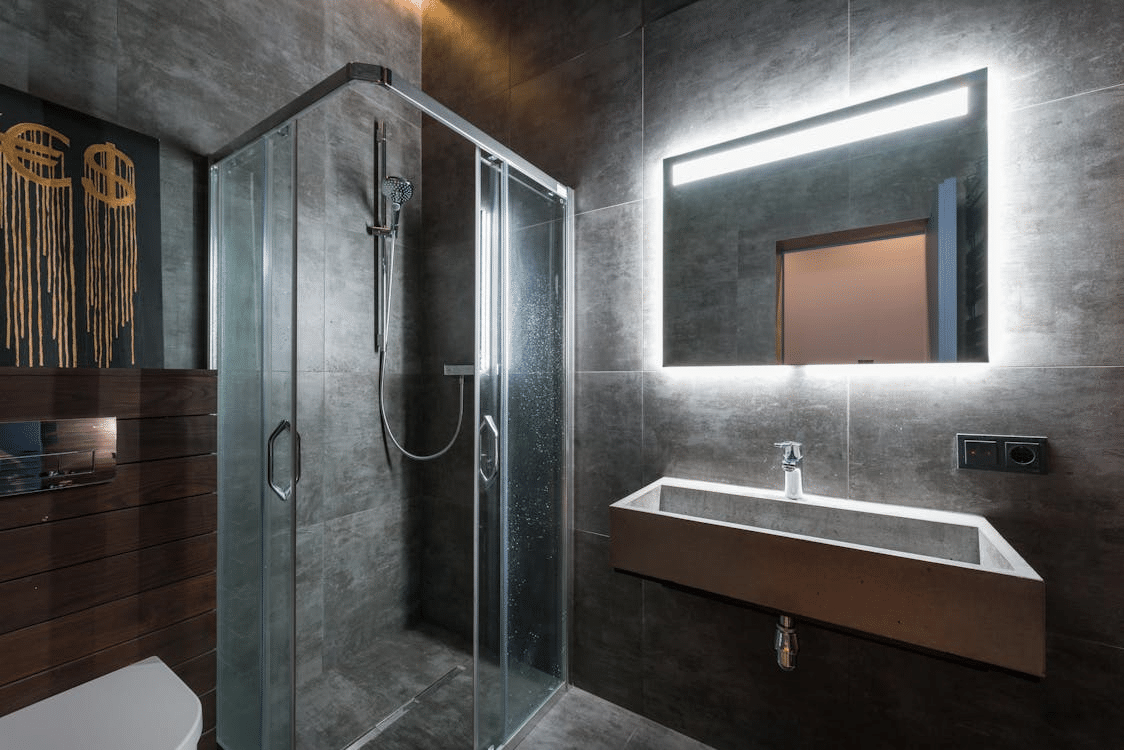
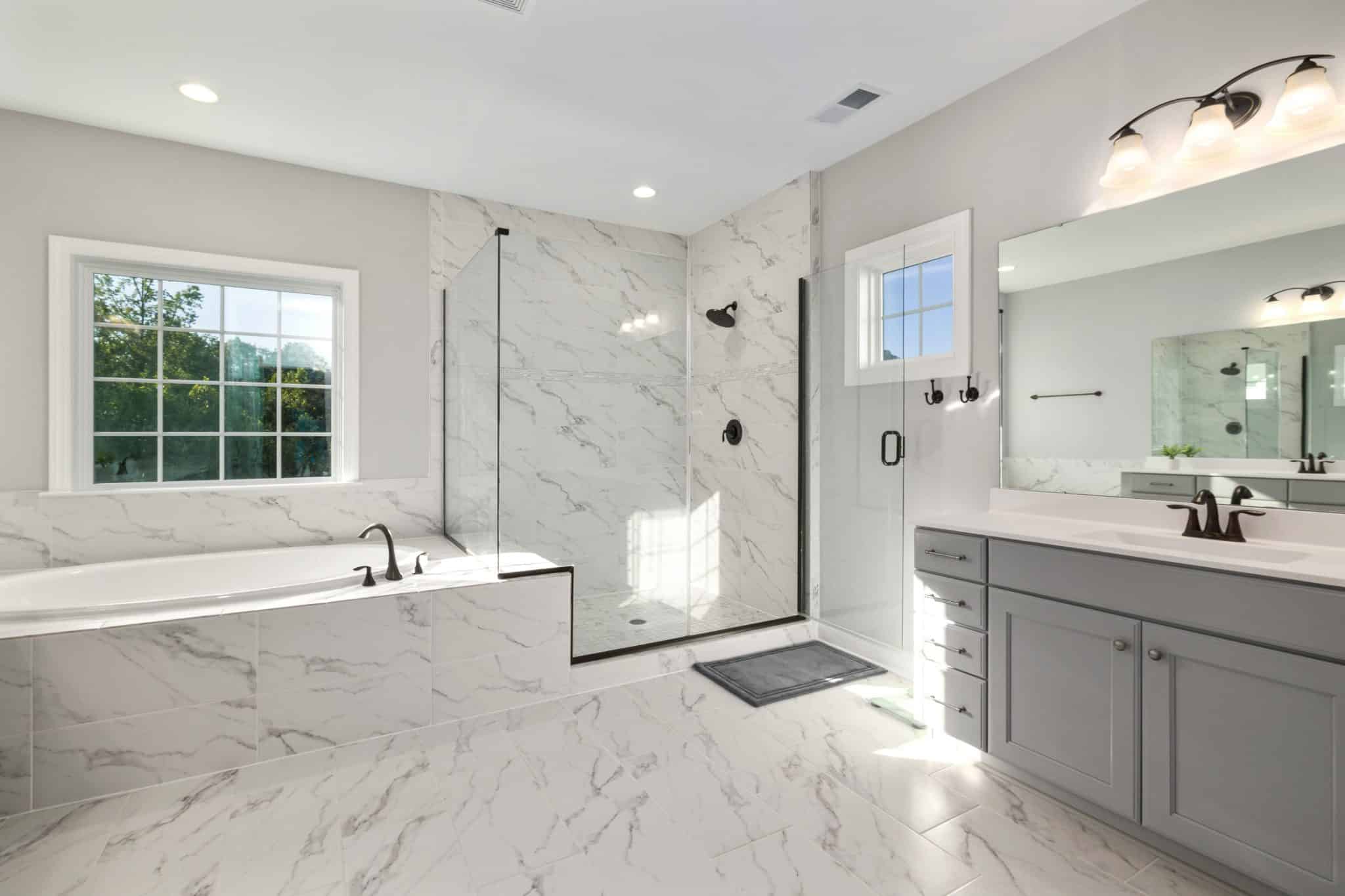
Side-mounted sconces at eye level provide the best light for mirrors. Place them 60-65 inches from the floor, spacing them as wide as the sink.
If you can’t add side lights, a horizontal bar fixture above the mirror works. Mount it so light hits faces, not just the wall behind you.
Shower lights need to be rated for damp locations. Regular fixtures can rust and fail. LED options work great because they don’t heat up and use less power.
Nightlights in bathrooms save stubbed toes and keep you from blinding yourself at 2 AM. Install them low on the wall near the floor.
Dining Room Drama
Dining rooms are where you can get dramatic with lighting.
Center a chandelier or pendant over the table. It should hang 30-34 inches above the surface. This creates intimacy without blocking views across the table.
The fixture should be about half to two-thirds the table width. Wider tables can handle two fixtures instead of one giant piece.
Add a dimmer. Bright light works for homework and game nights. Dim light sets the mood for dinner parties. The flexibility makes the room more useful.
If your dining room doubles as other things, add table or floor lamps in corners. They provide alternative lighting when you’re not eating.
Home Office Lighting for Long Days
Offices need bright, focused light that doesn’t cause eye strain.
Overhead ambient light should be bright but not harsh. LED panels distribute light evenly without glare. They’re also energy-efficient for spaces you use daily.
Desk lamps with adjustable arms let you point the light where you need it. Look for ones with multiple brightness settings. Your eyes need different light levels for computer work versus reading paper.
Position your desk perpendicular to windows if possible. Light coming from the side reduces screen glare. Behind you creates shadows on your work. In front of you blinds you.
If you do video calls, add a small ring light or soft box. Overhead lights create unflattering shadows. Front lighting makes you look professional.
Smart Lighting Basics
Smart bulbs and switches make lighting more convenient.
You can control lights from your phone, set schedules, and adjust brightness without getting up. Some connect to voice assistants for hands-free control.
Start with bulbs in lamps you use daily. They’re easier to install than switches and let you test if you like the technology before committing.
Smart switches control ceiling fixtures. They’re worth installing in rooms you enter with your hands full or where you want to control multiple lights at once.
Color-changing bulbs are fun, but not necessary everywhere. Save them for accent lighting or kids’ rooms. Regular warm white works better in most spaces.
The Right Bulb Makes a Difference
LED bulbs last longer and cost less to run than old incandescent ones. The upfront cost is higher, but they pay for themselves in energy savings.
Understanding color temperature:
- 2700K: Warm yellow, like traditional bulbs
- 3000K: Soft white, neutral, and welcoming
- 4000K: Cool white, good for task areas
- 5000K: Daylight, feels clinical in homes
Stick with 2700K-3000K for living spaces. Use 4000K in garages, laundry rooms, and closets. Avoid 5000K+ in homes unless you want that office building vibe.
CRI (Color Rendering Index) matters for areas where color accuracy counts. Look for bulbs rated 90+ CRI for closets, art displays, and makeup areas. Lower ratings distort how colors look.
Dimmer Switches Are Worth It
Dimmers add flexibility to any room. They let one fixture serve multiple purposes.
They also extend bulb life and save energy. Bulbs running at 80% brightness last much longer than ones at full power all the time.
Not all bulbs work with dimmers. Check the packaging to make sure you buy dimmable versions. Non-dimmable LEDs will flicker or fail if you try to dim them.
Install dimmers on your most-used lights first. Living rooms, bedrooms, and dining rooms get the most benefit. Bathrooms and kitchens can wait.
Fixing Common Lighting Problems
Dark corners: Add floor lamps or corner shelf lights. They fill shadows that overhead fixtures miss.
Glare on TV screens: Move lamps behind or beside seating. Never place bright lights directly across from screens.
Unflattering bathroom light: Add side sconces or a better fixture above the mirror. Top-down light creates shadows under the eyes and nose.
Cluttered cords: Use cord covers that paint-match your walls. They hide wires without cutting into walls. Battery-operated lights skip cords entirely.
Too bright overhead: Add lower lamps and use the overhead less. Or install a dimmer to control intensity.
Budget-Friendly Lighting Upgrades
You don’t need to replace every fixture at once. Start with the rooms you use most.
Shop clearance sections and end-of-season sales. Many stores discount lighting displays when updating showrooms. The fixtures are new, just discounted.
Paint old fixtures instead of replacing them. Spray paint designed for metal and glass can update dated brass or nickel finishes. Remove fixtures first and mask off sockets.
Thrift stores often have unique vintage fixtures. Rewire them if needed for safety, but the character they add costs way less than new designer pieces.
Replace just the shades on existing lamps. New fabric or color changes the whole look. This works great for inherited or hand-me-down lamps.
Maintenance That Keeps Things Bright
Dust fixtures monthly. Dirty bulbs and shades block up to 30% of light output. A quick wipe with a microfiber cloth makes everything brighter.
Replace bulbs before they burn out completely. Waiting until they die means living with dim light longer than necessary. Keep a few spares on hand.
Tighten loose fixtures and connections. Flickering often comes from loose bulbs or faulty sockets, not the bulb itself. Try tightening before replacing anything.
Clean ceiling fan blades when you dust fixtures. Dirty blades make the whole room look dingy and circulate dust instead of air.
Check outdoor fixtures after storms. Water can get into sockets and cause failures. Make sure seals are intact, and bulbs are protected.
Room-by-Room Quick Reference
- Entryway: Statement fixture + table lamp if space allows
- Living room: Central fixture + 2-3 floor/table lamps + wall sconces
- Kitchen: Recessed overhead + under-cabinet + island pendants
- Dining room: Chandelier/pendant on dimmer + optional corner lamps
- Bedroom: Dimmable overhead + bedside lamps/sconces + closet lights
- Bathroom: Overhead + mirror sconces + nightlight
- Home office: Overhead panel + adjustable desk lamp
- Outdoor: Entry sconces + path lights + patio string lights + motion sensors for security
Wrapping Up
Good lighting isn’t complicated. It just takes planning and knowing what each room needs.
Start with one room at a time. Get the lighting right there before moving on. You’ll learn what works for your style and budget.
Remember the three-layer rule. Ambient, task, and accent lighting work together to create spaces that look and feel good.
Don’t rush. Living in a room for a week or two helps you understand what it needs. You’ll spot problems and opportunities you missed at first.
Which room in your home needs better lighting first? Start there and see how much difference it makes.