
Renovating your home is exciting. You get new finishes, fresh wall colours, and the chance to reimagine how your space looks and feels! But while walls are being knocked down and floors ripped up, your beautiful décor and furniture can easily become collateral damage.
From statement mirrors to heirloom pieces, home décor is usually the most vulnerable part of a renovation. But, with a little planning and extra effort, you can keep your décor in beautiful condition while the work gets done.
Here’s how to protect your fragile items during renovations.
1. Pack by Room – and By Item
Packing by room is usually the easiest way to stay organised during a renovation. It just makes sense; you know where everything belongs, which makes unpacking a lot simpler once the work’s finished.
That said, it’s worth paying extra attention to the type and material of each item in every room. Fragile materials should be grouped and packed together.
This way you’re not packing glass items with ceramics with valuable paintings and risking damaging one or all of them.
As you pack each room, separate fragile items by material, such as:
- Glass
- Ceramics
- Mirrors
- Liquids
- Electronics
- Artworks and antiques
- Musical instruments
Then, make sure to:
- Wrap delicate pieces individually using:
- soft spare fabric or packing paper
- acid-free paper for artwork and framed prints
- Store mirrors and artwork upright, never flat
- Avoid stacking items made from mixed materials together, like glassware on top of ceramics or picture frames under books
- Clearly label boxes as “fragile” and by contents or material
- Keep heavier items away from décor and styling pieces
2. Protect Your Items Digitally
While, of course, you need to pack and protect your décor and furnishings before a renovation, you might also want to document those items digitally. Take photos of your furniture, artwork, and collectibles from multiple angles. This has two benefits:
- Insurance and peace of mind: If anything gets damaged or lost during the renovation, you have detailed records to make quicker and easier claims.
- Reference: Photos help you place décor back exactly how you want it once the renovation’s complete.
For extra protection, consider keeping important documents, small valuables, and sentimental items in a secure, separate box that stays with you or goes straight into professional storage.
3. Decide What Needs Storage (and What Doesn’t)
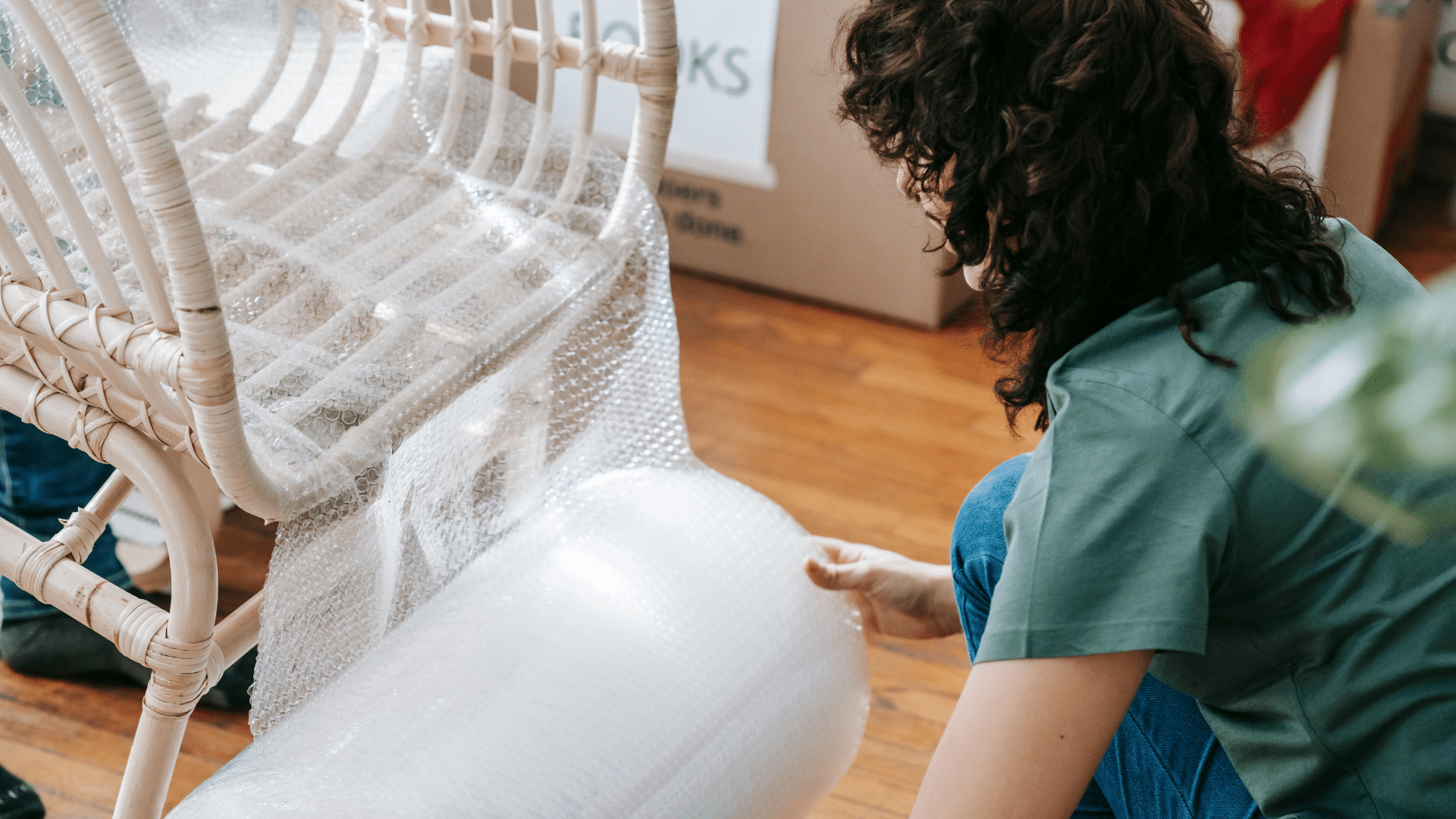
Not everything can (or should) stay in the house during renovations. Larger furniture pieces, valuable décor, and even items you’re using for the renovation itself are often better stored off-site to keep your belongings and yourself safe.
Short-term storage can:
- Protect furniture from dust, paint splatter and accidental damage
- Free up space so tradespeople can work safely and efficiently
- Reduce stress if renovations run longer than expected
Many homeowners hire professional removalists to store furniture and décor during renovations, especially for the heavy or delicate stuff.
4. Create a Temporary “safe Zone”
Choose one space in your home to go untouched during the renovation. Keep this space:
- Strictly off-limits to tradespeople – no one should be walking through it
- Clear of tools and building materials
- Secure and closed – a door will better protect your belongings
Then place all your favourite or fragile pieces in this space to keep them protected. It can even be a calm escape from the rest of the chaos in your house.
If every room is being renovated, this “Safe Zone” will need to be rotated as the renovation goes on.
5. Use Professionals for Heavy or Fragile Styling Pieces
Large mirrors, artwork, antique furniture and designer pieces are better off being moved by professionals. These items are usually awkward to handle and easy to damage if you move them incorrectly.
- Protect items with proper wrapping and padding
- Transport décor safely into secure storage
- Reduce the risk of damage to floors, walls and doorways
6. Don’t Underestimate Dust Protection
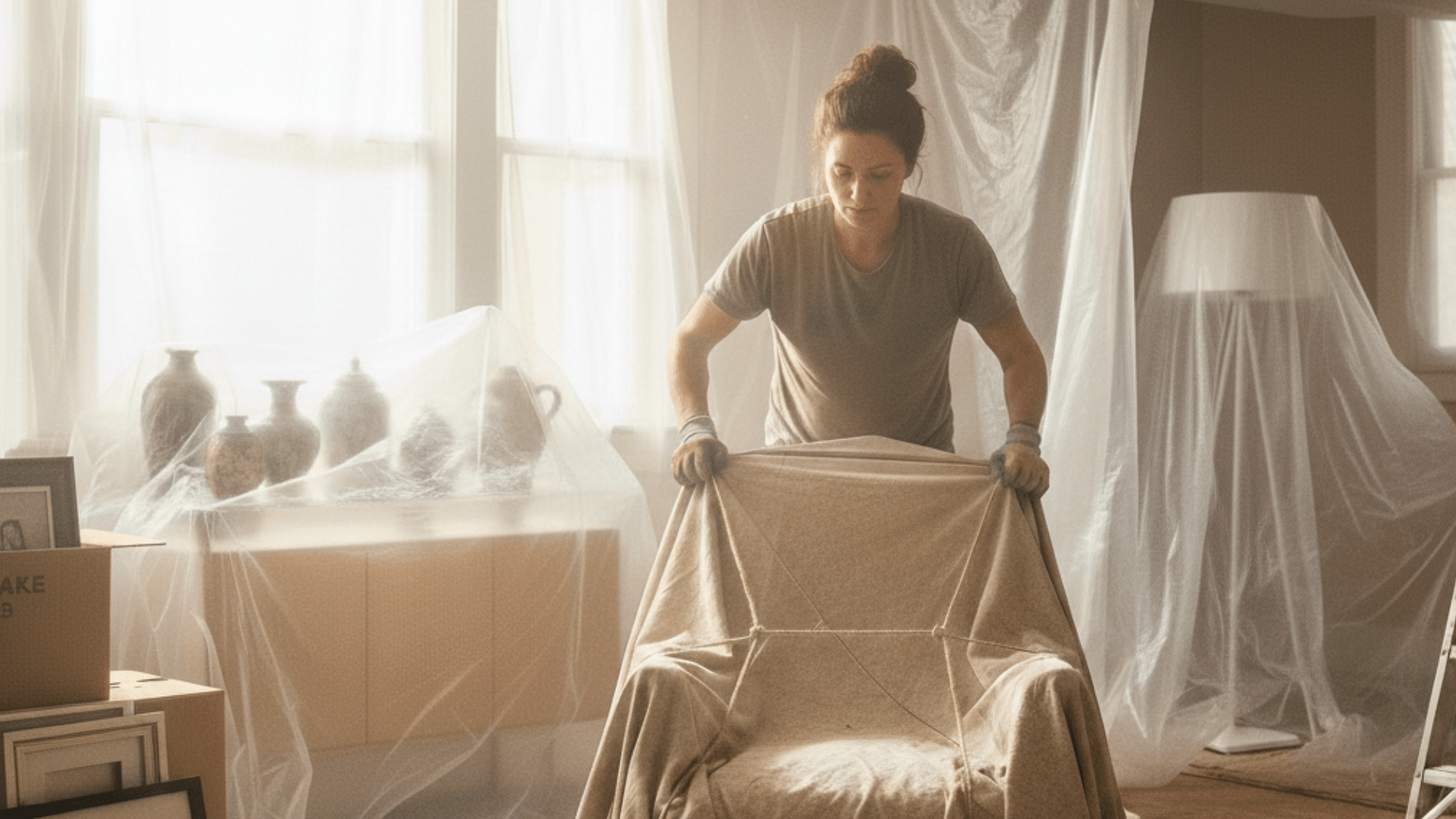
In any renovation, dust gets everywhere. And did you know dust can actually permanently damage soft furnishings and finishes if it’s left there?
For items you can’t move out of the house:
- Use high-quality dust sheets and furniture covers
- Seal boxes properly to prevent fine dust settling inside
- Don’t use plastic wrap directly on timber or fabric (it can trap moisture)
Whatever you do, keep your items and décor clean, dry and breathable throughout the renovation.
Conclusion
Décor is what makes your house feel like home. You’re going to need it in good condition after your renovation so your space can come back together nicely. With thoughtful packing, smart storage decisions, and knowing when to ask for professional help, your furniture and décor are ready to make a beautiful come back once the dust (literally) settles.