

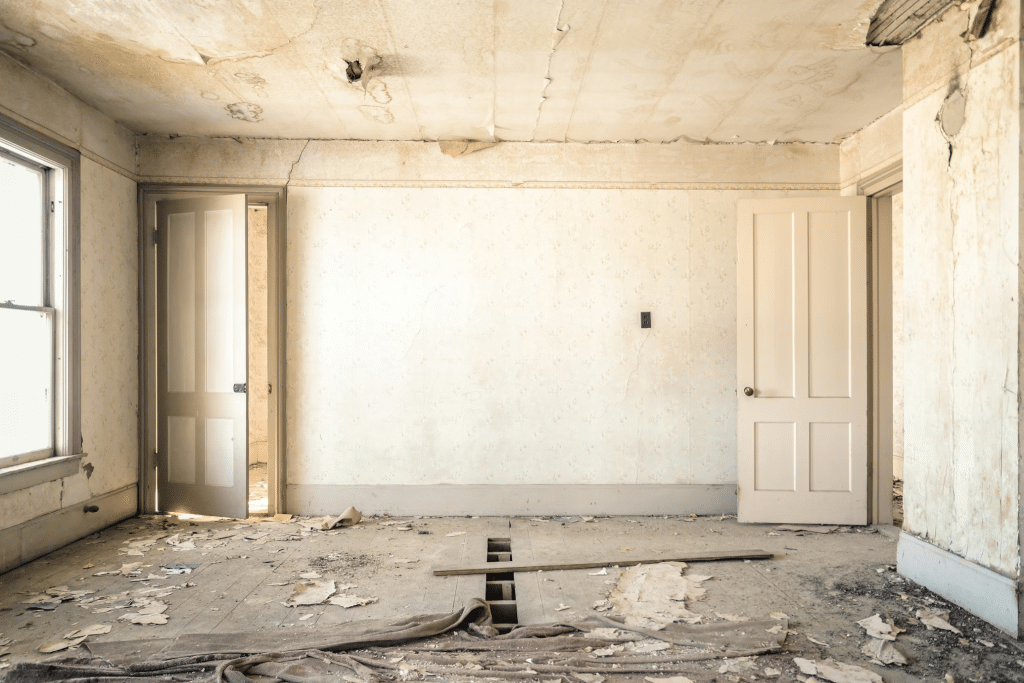
It rarely starts with drama. A drip under the sink. A heater that clicks and gives up. A faint stain on the ceiling you’re sure wasn’t there yesterday. Home repairs tend to arrive quietly and at the worst possible time. When they do, they bring stress, a sense of urgency, and that uncomfortable pause where it’s not yet clear what happens next.
For most homeowners the issue isn’t just what broke. It’s the flood of thoughts that follow. They consider what’s most urgent. They assess if it’s hazardous. They evaluate if it can wait until morning.
Those concerns build quickly. Addressing them effectively matters as much as the repair.
Staying Calm During Unexpected Repairs
A surprise issue typically triggers an emotional response first. That’s natural. A home is personal. When something inside it fails, even briefly, it can feel like a loss of control.
Panic narrows perspective. Judgment becomes clouded. Decisions happen too fast. Calls go out before there’s clarity. Temporary fixes linger longer than intended and quietly become expensive. A pause matters here. Even a small one. Stepping back from the mess, breathing for a moment, and reminding yourself that most home issues are fixable can shift the tone of the entire situation.
It helps, too, to reframe what’s happening. An unexpected repair isn’t proof of neglect. It isn’t a personal shortcoming. It’s ownership in real time. Materials age. Appliances reach their limits. Systems wear down. Staying calm doesn’t mean suppressing frustration. It means giving the moment enough space to be handled with care instead of panic.
The First Practical Steps
Once the initial reaction wears off, positive action becomes possible. These first moves aren’t about fixing everything at once. They slow down what’s happening and provide clarity.
Secure the Space First
Safety takes priority, even when the problem feels minor. Water issues may mean closing a valve. Electrical trouble can call for cutting power at the breaker. The first hint of a gas leak deserves caution, even if it ends up being harmless. These steps don’t solve anything permanently. They’re temporary by nature. Still, they matter.
Document What’s Happening
Documentation can feel optional in the moment, but it rarely is. A few photos or a short video clip can help later when explaining the situation to a contractor, an insurance provider, or a technician reviewing the damage for the first time.
Contain the Damage
Containment comes next. Towels. Buckets. Tarps. Fast patches with no focus on a lasting solution. They aren’t repairs, and they don’t pretend to be. But the right barrier can keep a manageable problem from turning into something much larger overnight.
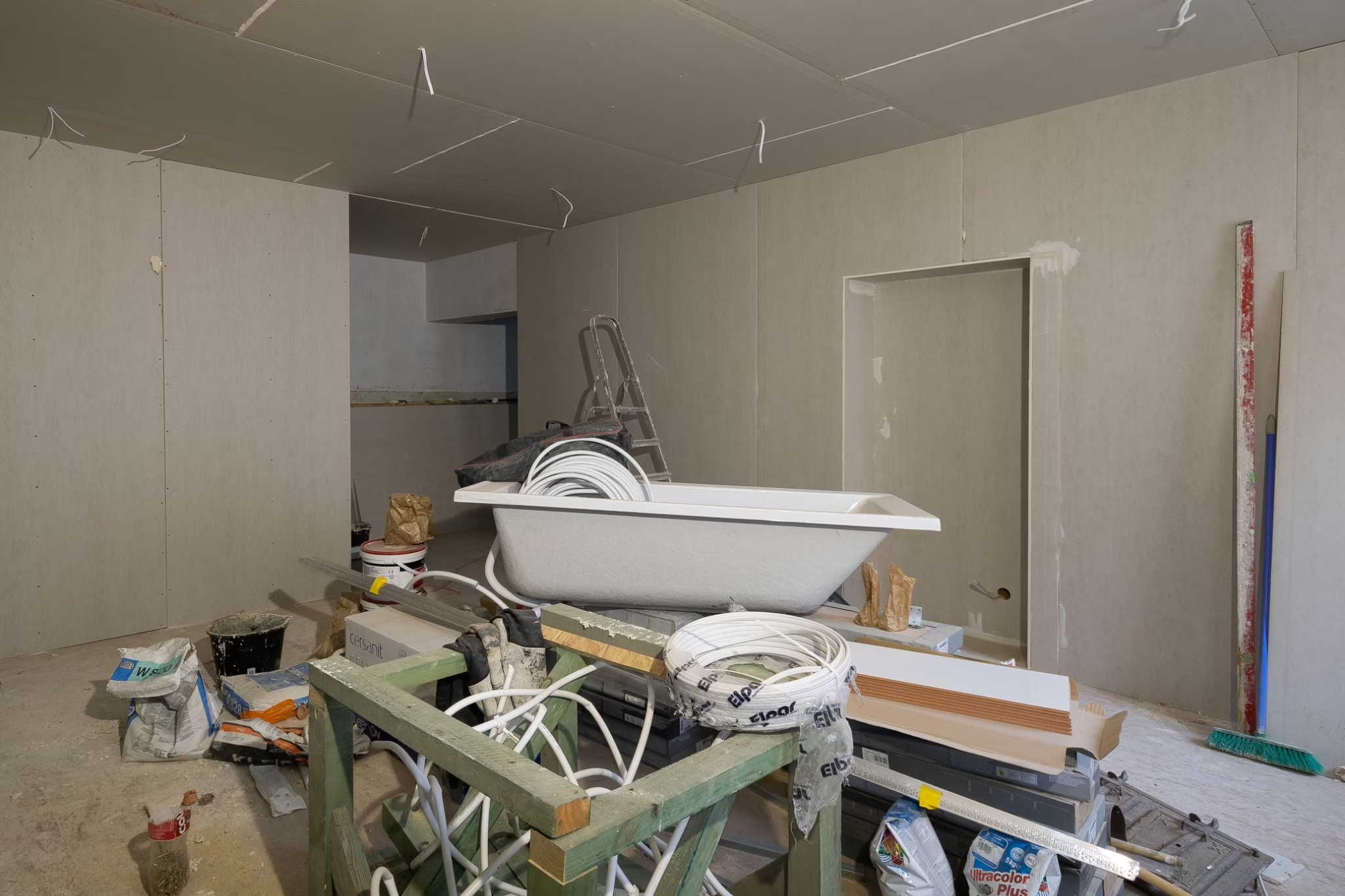
Is This an Emergency or Can It Wait?
The question that sits quietly underneath almost every repair decision is whether this is actually an emergency. Not everything broken needs immediate attention, but some situations leave very little room for delay.
Most home issues fall somewhere along a spectrum:
- Immediate emergencies: Safety or structural issues such as flooding, exposed wiring, or loss of heat in cold weather that require fast action to prevent further damage,
- Urgent issues: Disruptive but non-dangerous problems, like broken appliances or plumbing backups, that usually need attention within 24 to 48 hours,
- Routine repairs: Minor or cosmetic issues, including small cracks, slow leaks, or worn fixtures, that can typically be scheduled without pressure.
Knowing the seriousness of an issue changes everything. It replaces reaction with assessment. That clarity makes it easier to decide what comes next, including whether short-term loan options such as those provided by CreditNinja could play a role in managing urgent repair costs.
What You Can Fix Yourself and When to Call a Professional
Once you categorize the urgency, another question usually follows. Is this something you can handle, or is it time to bring in help?
DIY work makes sense when the stakes are low and the task is familiar. Small drywall repairs. Painting. Fixture replacements. Modest exterior updates. These are areas where homeowners often feel comfortable experimenting, especially with guidance from online home maintenance resources.
Professional help becomes necessary when safety, potential code violations, or structural damage enter the picture. Electrical systems. Gas lines. Roofing. Anything that affects load-bearing elements.
There’s little margin for error in those spaces. Permits, warranties, and liability all matter. In these moments, calling a licensed expert isn’t about convenience. It’s about protecting the home and finances over the long term.
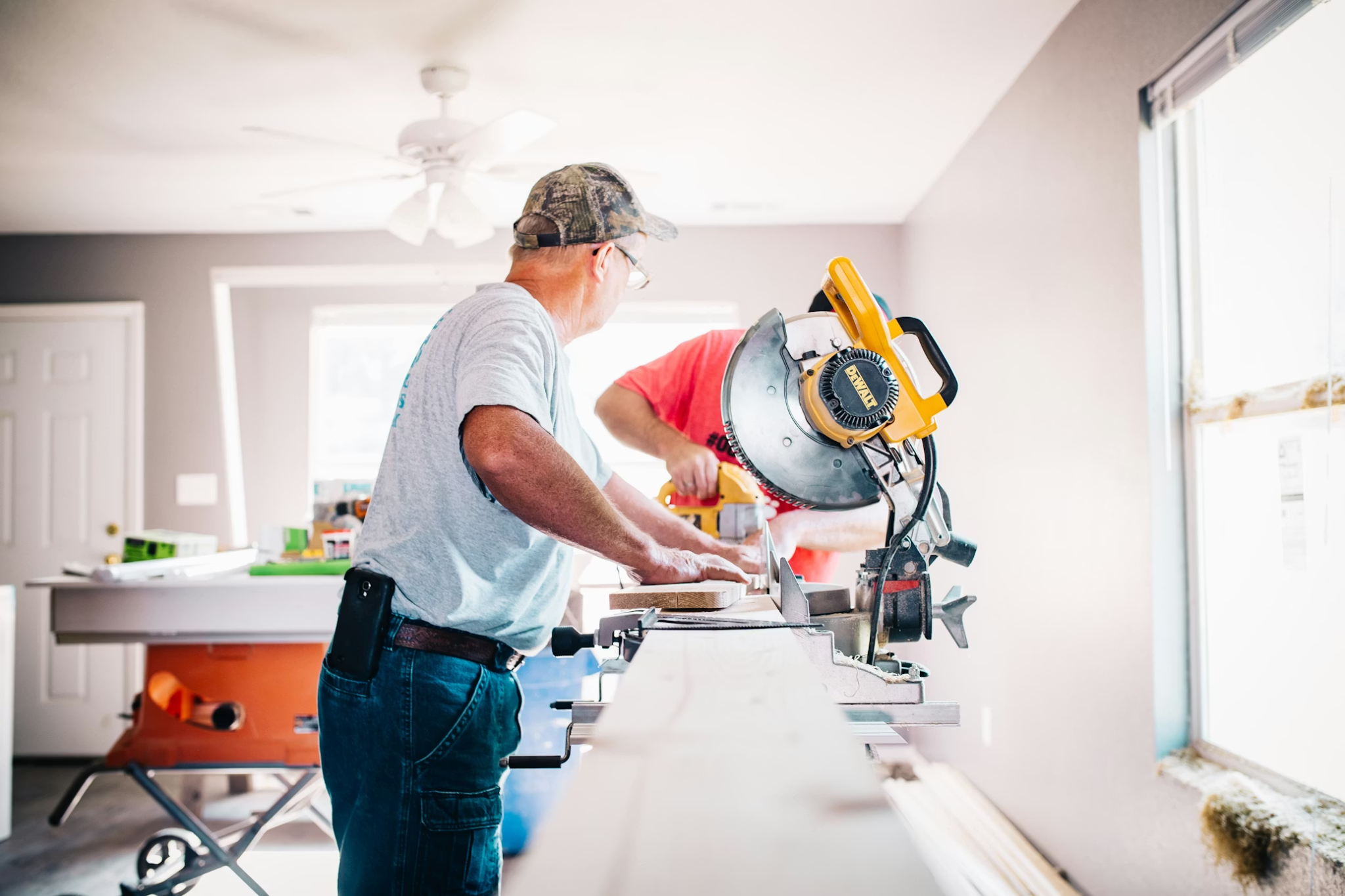
Planning Ahead So the Next Repair Feels Less Overwhelming
Unexpected repairs feel most stressful when everything about them is unknown. Planning doesn’t remove surprise, but it softens its edges.
Keeping basic records filed away helps more than people realize. Appliance manuals. Warranty information. Notes from past repairs. These details provide context when something fails again.
Knowing where shut-off valves are located can save minutes that feel far longer during an emergency. Having a short list of trusted professionals reduces the frantic search that often follows a maintenance issue.
Financial preparation plays a role here as well, even when it isn’t top of mind. Informational resources on budgeting for unexpected home repairs and expenses offer a perspective on how savvy homeowners plan for disruption and avoid turning every issue into a crisis.
Preparation is rarely dramatic. It’s quiet. Incremental. But its value shows when something goes wrong.
Keeping Daily Life Moving While Repairs Are Underway
Repairs ignore routines. Noise, dust, and short-term disruption often linger longer than anyone expects. In those moments, holding onto some version of “normal” still matters.
Some households claim one room as a quiet refuge, left free of tools and clutter. Others improvise temporary workarounds, like a stripped-down kitchen when appliances are unavailable. Clear communication with contractors helps steady schedules and limits friction with work or daily family obligations.
Small resets at the end of each day help. Clearing tools. Wiping surfaces. Reclaiming shared rooms. These small tasks bring back a sense of order, even as the work itself is ongoing.

Turning the Unexpected Into a Confidence-Building Exercise
Home repairs are seldom welcome. Yet they often leave more behind than a restored heater or sealed pipe. Familiarity settles in. Patterns take shape. Confidence follows.
With time, homeowners start to judge urgency more effectively, know who to call, and sense what can wait. The process feels less daunting and calm reactions arrive more easily.
Unexpected repairs aren’t proof of lost control. They’re part of living in a space that shifts, ages, then asks for attention. Handling them with patience and clarity protects more than the structure alone. It protects the peace of mind within it.