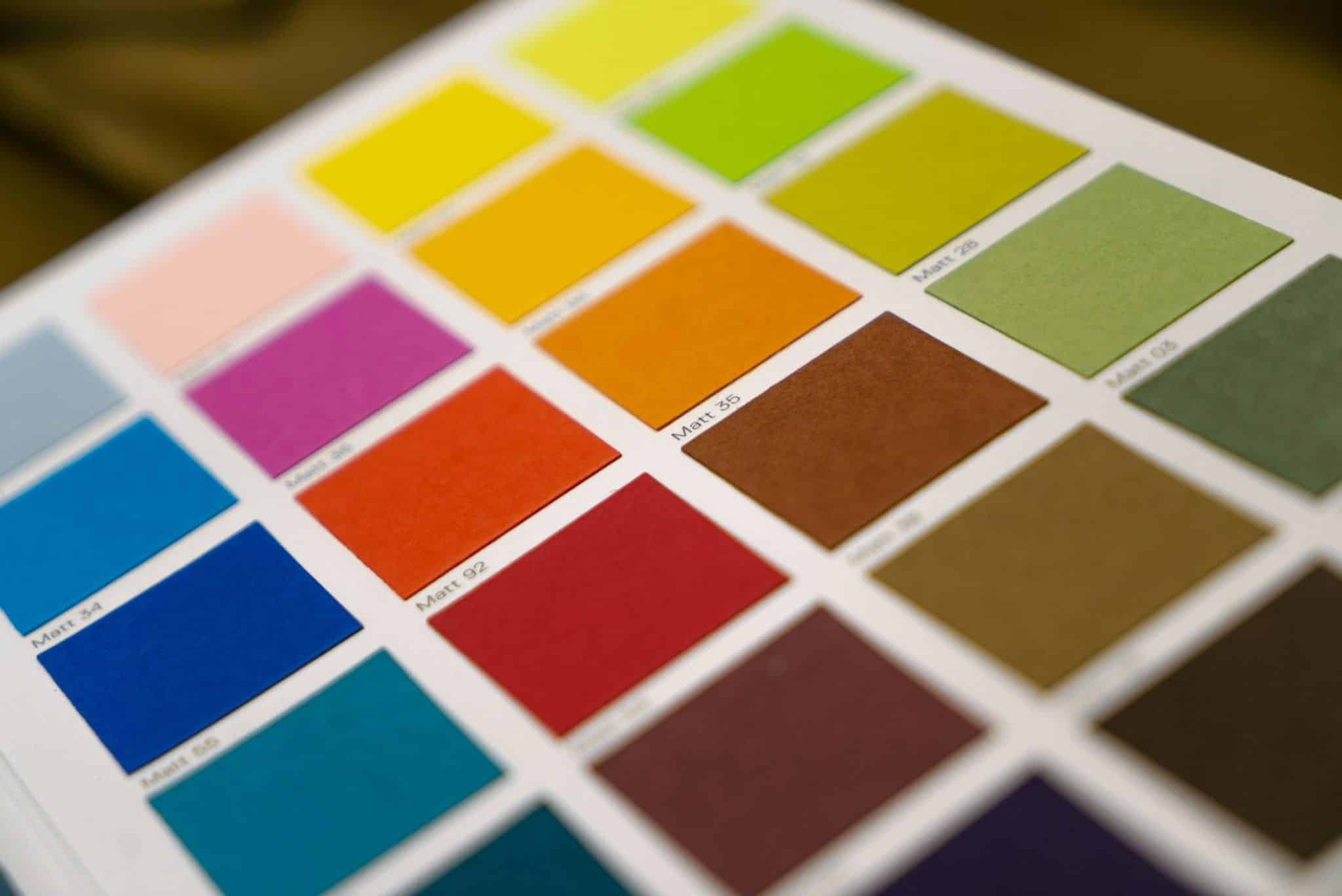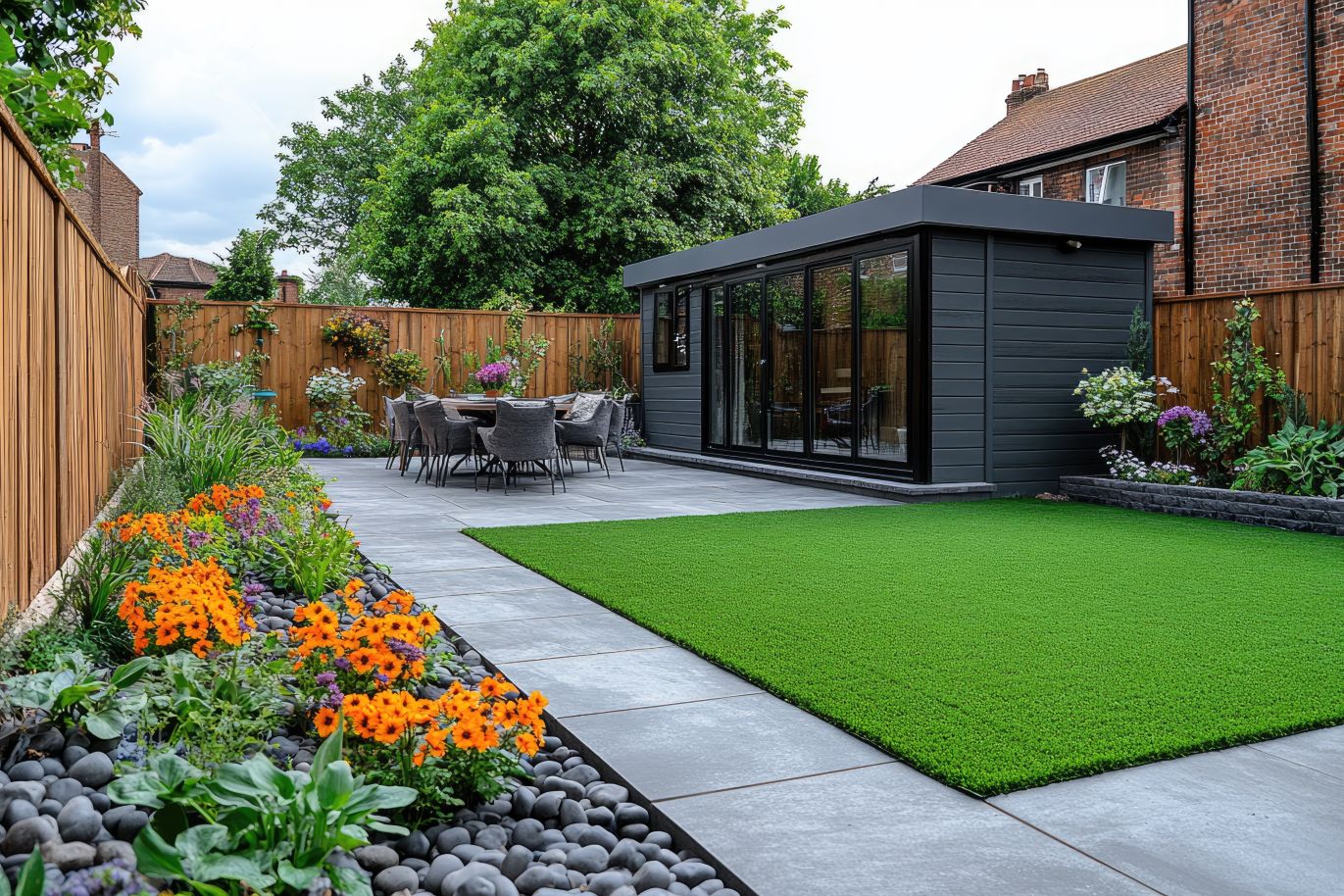

There’s a quiet kind of satisfaction that comes from transforming something with your own hands. Whether it’s refinishing a tired dresser, repainting a room, or restyling a corner of your home, intentional change feels different from impulsive change. It’s thoughtful. Layered. Purposeful.
Interestingly, the same mindset that makes for meaningful home design can also shape sustainable personal habits. The principles behind a well-designed space, balance, restraint, customization, and patience, mirror the foundations of lasting lifestyle change.
Intentional living isn’t about doing more. It’s about doing things with clarity.
Designing With Purpose
When you begin a home project, you don’t usually start with random paint colors and hope for the best. You assess the space. You think about lighting, layout, flow, and how you want the room to feel. Warm and inviting? Bright and energizing? Calm and neutral?
That assessment phase is critical.
Health goals benefit from the same reflection. Instead of jumping into extreme trends, it helps to ask practical questions: What does your schedule look like? How active are you? What habits already work well? Where are the friction points?
When people begin adjusting their nutrition, one common question is how many carbs a day to lose weight. It’s understandable, carbohydrates are often portrayed as the make-or-break factor. But just as one décor element doesn’t define an entire room, one macronutrient doesn’t determine success on its own.
The answer depends on context: activity level, metabolism, personal preference, and sustainability. Reducing carbs slightly while prioritizing fiber, protein, and whole foods often creates better long-term results than drastic elimination. The goal isn’t deprivation; it’s alignment.
The Power of Prep Work
Anyone who’s refinished furniture knows that prep is everything. Sanding, cleaning, and priming take time, but skipping them shows in the final result. Paint applied to an unprepared surface chips quickly.
Lifestyle habits work the same way.
Before adjusting numbers or cutting food groups, it’s worth strengthening the basics: consistent meal timing, adequate hydration, quality sleep, and stress management. These foundational habits support metabolism in ways that quick fixes cannot.
Intentional living means respecting the process. It means understanding that sustainable change rarely feels dramatic at first. It feels steady.
Layering Habits Like Layers of Paint
In home décor, depth comes from layering. A room feels complete not because of one statement piece, but because of thoughtful combinations, texture, contrast, lighting, and accents.
Health transformation follows a similar pattern. Carb awareness may be one layer. Strength training becomes another. Walking daily, increasing vegetable intake, managing screen time before bed, each habit builds upon the last.
When habits are layered intentionally, they reinforce each other. Stable blood sugar improves energy. Improved energy supports consistent movement. Consistent movement enhances mood. Over time, these interconnected layers create visible results.
It’s rarely about doing everything at once. It’s about adding what supports the whole.
Personalization Makes Spaces, and Habits, Last
One of the most rewarding aspects of DIY décor is making something uniquely yours. Custom touches elevate a space from beautiful to meaningful. Whether it’s a monogrammed accent, a hand-lettered sign, or décor tied to family traditions, personalization creates emotional connection.
The same is true in lifestyle design.
No two people thrive on identical nutrition plans. Some feel energized with moderate carbohydrates. Others prefer a slightly lower range. The key is not copying someone else’s template but refining your own.
That desire for personalization extends beyond nutrition. Custom design elements, from wall art to accessories, reflect identity. Companies like Diehard Custom, known for creating customized scarves and branded pieces for teams and events, highlight how tailored details strengthen a sense of belonging and pride. While their focus may be apparel, the broader message resonates in home design too: custom elements make a space feel intentional rather than generic.
Intentional living thrives on that sense of ownership.
Sustainability Over Speed

Trends move quickly, in décor and in dieting. One season embraces maximalist patterns; the next leans minimalist. One year praises ultra-low-carb plans; the next shifts to balanced macro tracking.
But timeless design and sustainable health share a common principle: moderation.
Neutral foundations outlast bold fads. Balanced nutrition outlasts extreme restriction. When changes are too aggressive, they tend to unravel just as quickly as they were introduced.
Choosing a slightly lower carb intake that feels satisfying and livable is more sustainable than dramatic elimination. Choosing classic finishes instead of chasing fleeting aesthetics ensures your home evolves gracefully.
Intentional living prioritizes longevity.
Creating Environments That Support You
Your surroundings influence your behavior more than you might realize. A cluttered kitchen can discourage home cooking. A peaceful dining area encourages slower meals. A well-lit workout corner makes movement more inviting.
Designing a home that supports your habits makes those habits easier to maintain.
Keep fresh fruit visible on the counter. Store exercise equipment within reach. Arrange your pantry so healthier options are front and center. These small environmental adjustments reduce decision fatigue and make intentional choices automatic.
The same principle applies to décor. When your home reflects your values, comfort, creativity, simplicity, it reinforces them daily.
Embracing Progress, Not Perfection
DIY projects rarely unfold without setbacks. A paint color looks different once dry. Hardware needs replacing. A design plan shifts midway through.
Rather than seeing these moments as failure, they become part of the refinement process.
Health goals deserve the same flexibility. Some weeks progress feels smooth; others require adjustment. The key is not perfection but consistency.
Intentional living is less about strict rules and more about thoughtful adaptation.
The Beauty of Gradual Transformation
The most meaningful transformations often happen quietly. A refinished table blends seamlessly into a room. A slightly adjusted carb intake stabilizes energy. A few consistent workouts improve posture and confidence.
Over time, these subtle shifts compound.
When you look around your home and feel a sense of harmony, or look in the mirror and feel steadier, stronger, it rarely traces back to one dramatic moment. It traces back to a series of intentional decisions.
And that is the heart of intentional living: transforming your home and your habits not through extremes, but through steady, thoughtful change that feels aligned with who you are becoming.