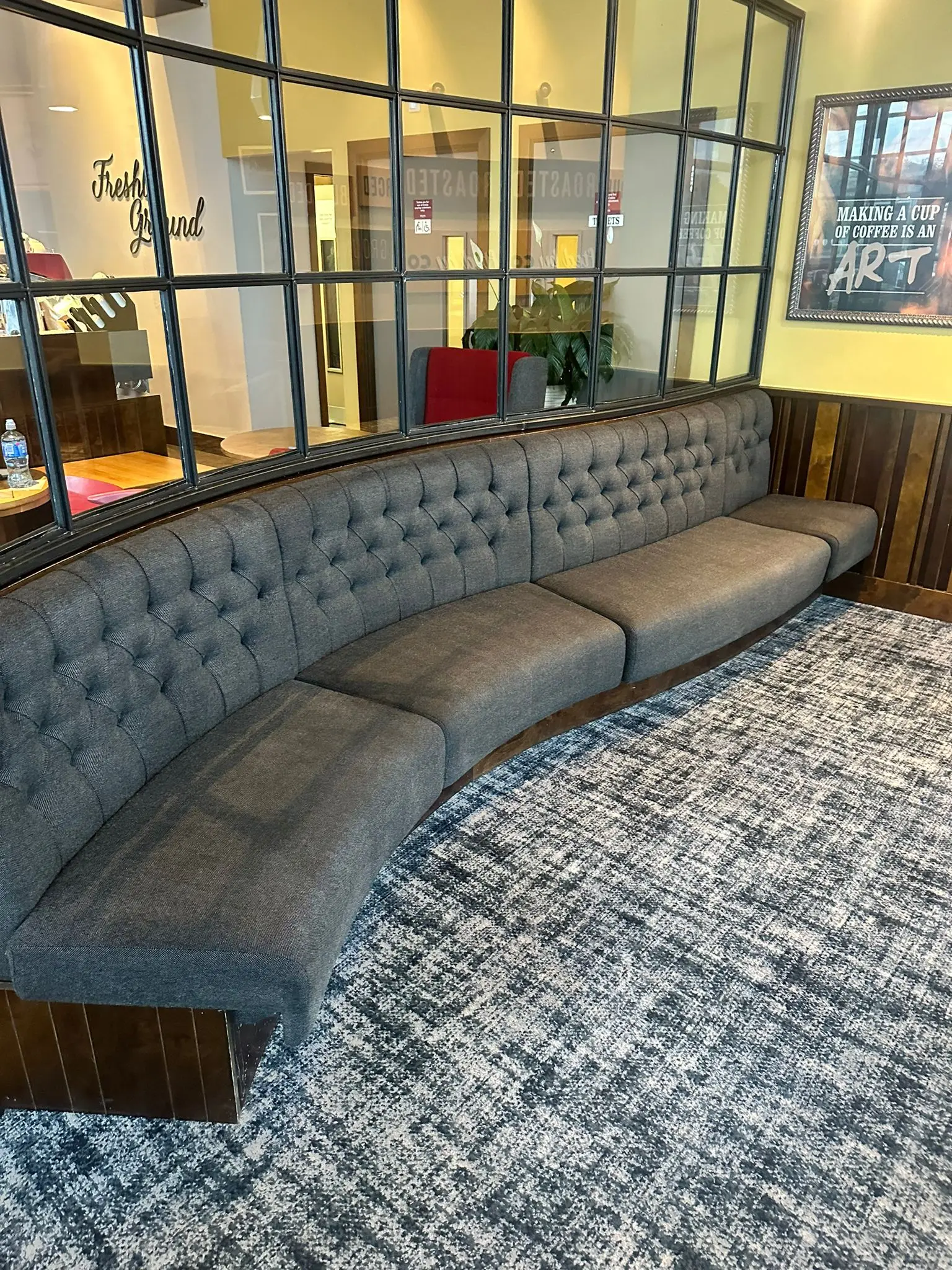

At Reliable Design-Build-Remodel, we spend every day helping Birmingham-area families shape homes that feel current, comfortable, and built to last. As we look ahead, 2026’s interior design trends are less about fleeting styles and more about thoughtful choices that improve how homes look, function, and feel over time. Below, we’ve outlined five of the most common questions we’re hearing lately, with insight into what’s truly defining interior design in 2026 and how these trends translate into real remodeling decisions.
What Are the Biggest Interior Design Trends Shaping Modern Homes?
Interior design 2026 trends are centered on warmth, longevity, and intentional design. Instead of stark minimalism, homes are moving toward softer modern spaces that balance clean lines with inviting textures. Natural materials like wood, stone, clay, and linen are being layered together to create depth and comfort, while neutral color palettes are shifting warmer with shades like soft taupe, mushroom, muted clay, and creamy off-whites.
Curves are playing a bigger role in architecture and furnishings, showing up in arched doorways, rounded cabinetry edges, and gently curved furniture that makes rooms feel more relaxed and human. In Birmingham homes, we’re also seeing an emphasis on designs that age well, choices that feel stylish today but won’t look dated in five or ten years. These trends reflect a growing desire for spaces that feel calm, personal, and connected to how people actually live.
Which Colors and Materials Are Defining New Interior Design Trends?
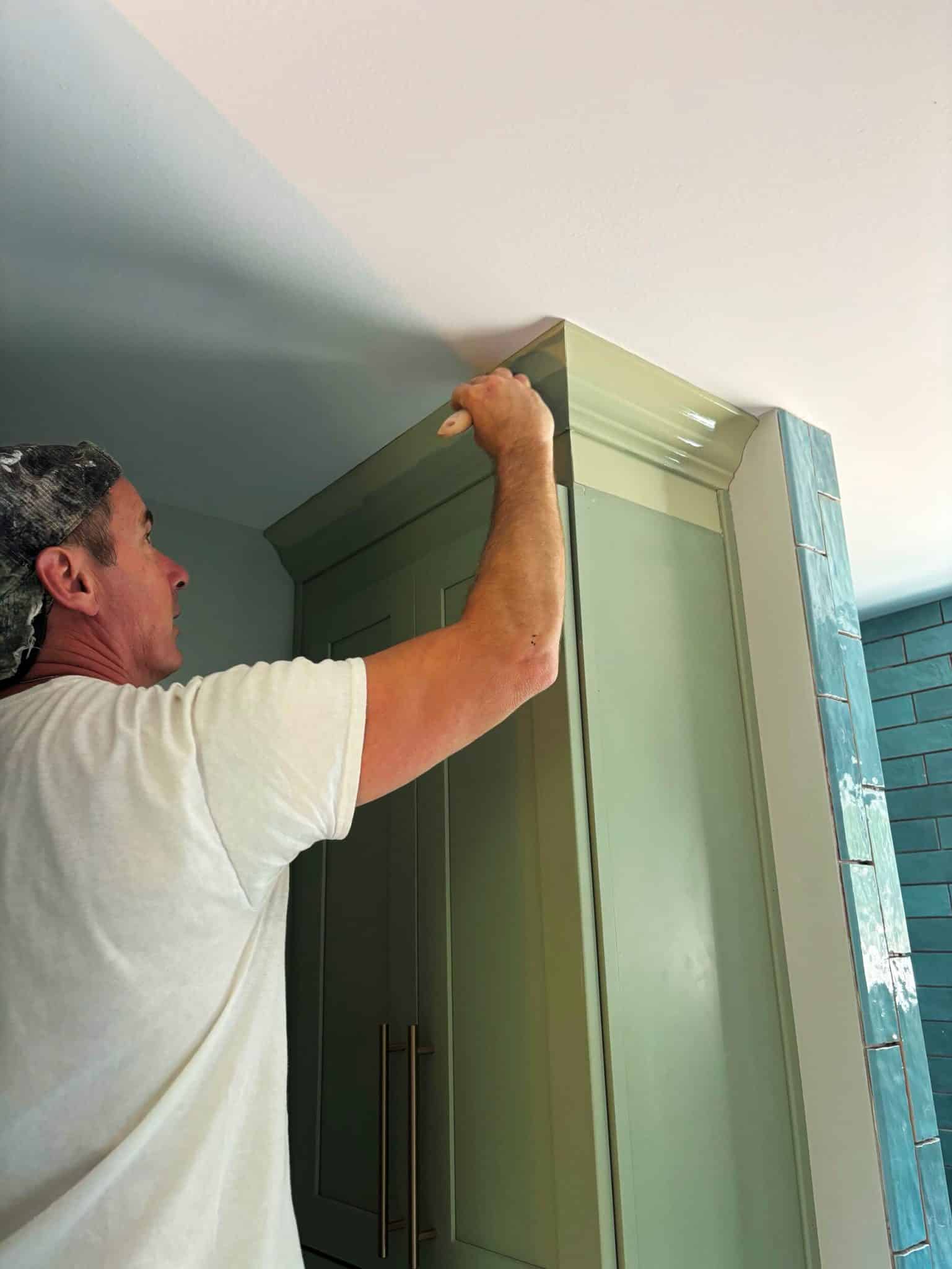
Color in 2026 is all about grounded sophistication. Rather than bold statements that dominate a space, homeowners are gravitating toward layered neutrals with subtle personality. Warm grays are replacing cool ones, beige is evolving into richer sand and stone tones, and earth-inspired hues like olive, terracotta, deep blue, and charcoal are used as accents rather than overwhelming features. Materials follow the same philosophy.
Wood tones are warmer and more natural, with visible grain and matte finishes replacing high-gloss surfaces. Stone selections favor movement and character, such as veined quartzite or softly textured porcelain. Metals are softer too, with brushed brass, aged bronze, and satin nickel leading the way. Interior design 2026 trends reflect a desire for materials that feel authentic, tactile, and enduring, materials that look even better with time and daily use.
How Are Kitchens and Bathrooms Evolving with Interior Design Trends This Year?
Kitchens and bathrooms remain the most influential spaces when it comes to interior design 2026 trends, and functionality is just as important as appearance. In kitchens, we’re seeing fewer stark white designs and more layered cabinetry palettes that combine warm neutrals with wood accents or deeper island colors. Storage is becoming smarter and more discreet, with appliance garages, integrated pantries, and concealed charging stations helping spaces stay visually calm.
Countertops and backsplashes are often coordinated for a seamless, cohesive look rather than high-contrast pairings. Bathrooms are evolving into spa-like retreats with softer lighting, larger-format tile, and showers designed for comfort and accessibility. Floating vanities, integrated shelving, and subtle texture through tile or stone add interest without clutter. These design trends prioritize spaces that feel restful, practical, and tailored to daily routines rather than purely decorative.
What Role Does Sustainability Play in Interior Design Trends in 2026?
Sustainability is no longer a niche consideration, it’s a core part of what homeowners are looking for in a remodel! Homeowners are increasingly focused on making choices that reduce waste, improve efficiency, and add long-term value to their homes. This includes selecting durable materials that won’t need to be replaced frequently, energy-efficient lighting and appliances, and layouts that make better use of existing square footage.
Reclaimed or responsibly sourced wood, low-VOC finishes, and high-performance insulation all play a role in creating healthier indoor environments. In our remodeling work around Birmingham, we also see sustainability reflected in timeless design decisions. Rather than chasing short-lived styles, many homeowners are choosing classic proportions and adaptable layouts that can evolve as needs change. Interior design 2026 trends recognize that good design should support both the people living in the home and the environment beyond it.
How Can Interior Design Trends Be Applied to An Existing Home Remodel?
Applying new interior design trends to an existing home doesn’t mean starting from scratch or chasing every new idea. In fact, the most successful remodels focus on selective updates that enhance the home’s character while modernizing how it functions. This might mean opening sightlines between key living spaces while maintaining defined zones, updating finishes to warmer and more tactile materials, or improving lighting to better support daily life.
Thoughtful built-ins, upgraded millwork, and refined details like arched openings or softened edges can transform a space without overwhelming it. At Reliable Design-Build-Remodel, we help homeowners translate trends into practical decisions that fit their home, lifestyle, and budget. The goal is always to create spaces that feel current yet comfortable, stylish yet timeless, and uniquely suited to the people who live there.
If you’re considering a remodel and curious how 2026’s interior design trends could enhance your home, working with a design-build team ensures those ideas are thoughtfully planned and expertly executed. Trends may evolve, but well-designed spaces should always feel like home.