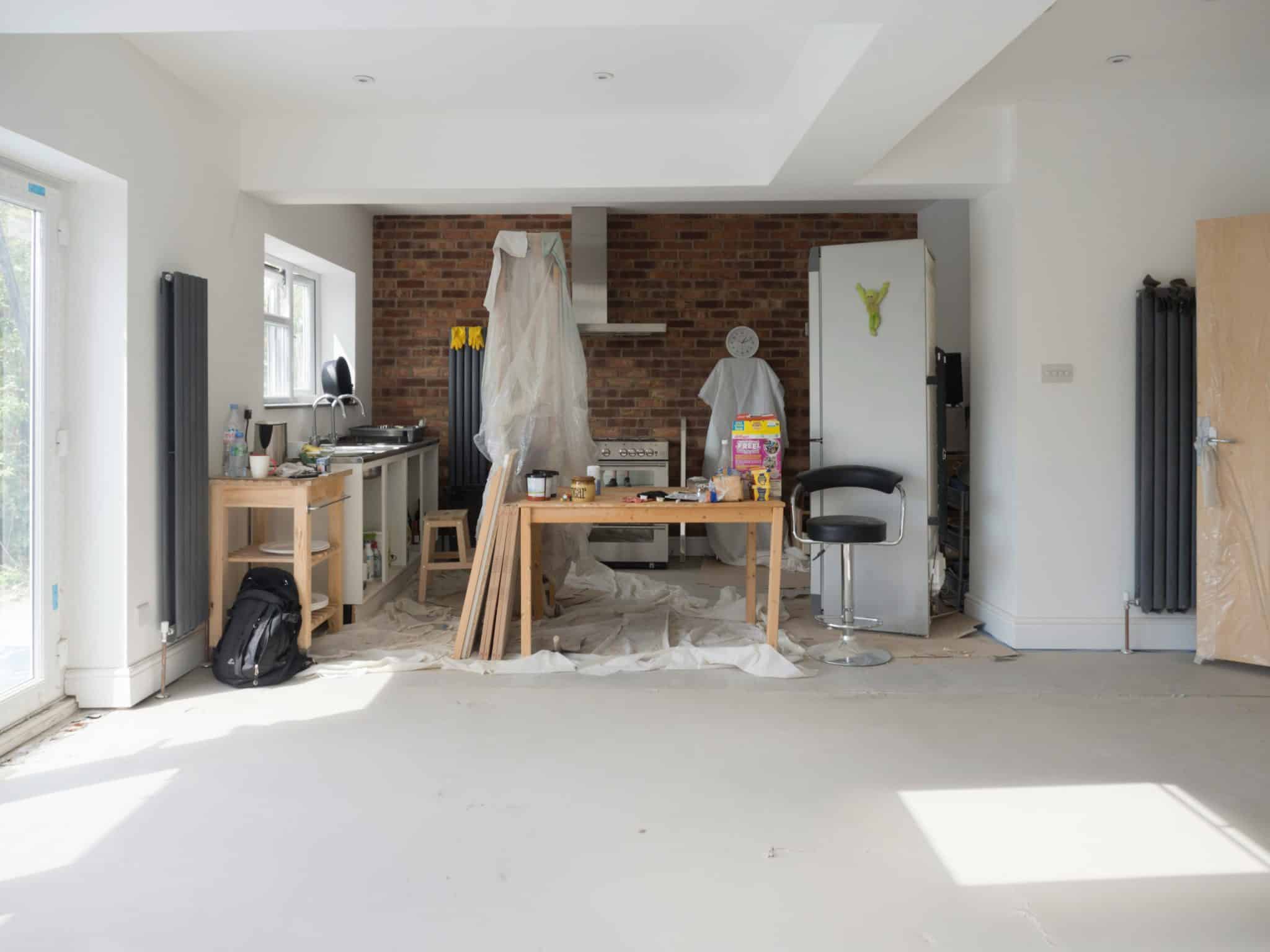

Every homeowner eventually faces the question of how to improve their property value. Whether you plan to sell soon or simply want to build equity for the future, knowing which renovations offer the best return on investment is crucial. In a unique market like Edmonton, where weather patterns and buyer preferences shift, not all upgrades carry the same weight.
Smart renovations require a balance between aesthetic appeal and functional durability. Buyers in this region look for homes that can withstand harsh winters while offering modern comforts. Focusing your budget on high-impact areas rather than superficial changes ensures that every dollar spent contributes to the overall marketability of the house.
Understanding Local Buyer Preferences
Real estate markets vary significantly from city to city. In Edmonton, practical features often trump purely decorative ones. Prospective buyers are often concerned with energy efficiency, heating costs, and the longevity of materials. A home with triple-pane windows or a high-efficiency furnace often garners more attention than one with expensive but impractical landscaping.
When planning your renovation strategy, think about the long-term maintenance of the materials you choose. Surfaces that scratch easily or require constant upkeep can be a turn-off. Instead, focus on materials known for their resilience. This approach does not mean sacrificing style; rather, it means choosing finishes that look good and perform well under local conditions.
The Kitchen Remains the Heart of Value
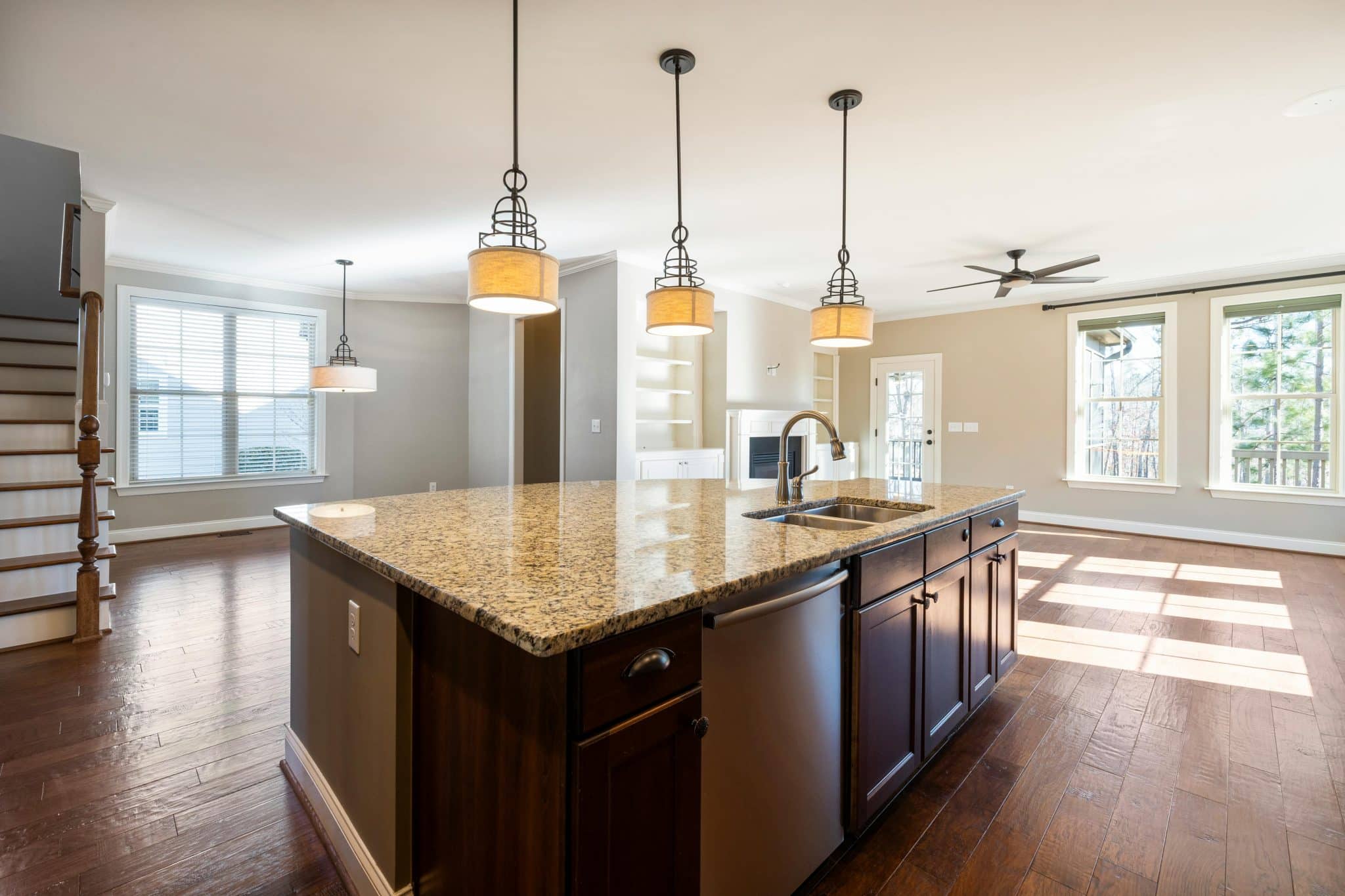
Kitchen remodels historically provide one of the highest returns on investment. However, you do not need to gut the entire room to see a benefit. Minor kitchen updates often yield a better percentage of return than major overhauls. Refacing cabinets, updating hardware, and installing modern lighting can make a dated kitchen look current without the price tag of a full demolition.
Countertops and backsplashes are focal points that draw the eye immediately. Quartz and granite remain popular choices because they resist heat and scratches. If you are working with a tighter budget, high-quality laminate has come a long way and can mimic the look of stone effectively. The goal is to create a clean, functional space where potential buyers can imagine themselves cooking and entertaining.
Flooring: A Critical Design Element
Floors cover a massive surface area and significantly influence how a home feels. Old, worn carpets or cracked tiles can make an entire house feel neglected, regardless of how nice the walls or furniture look. Replacing flooring is one of the most effective ways to update a room and increase perceived value.
In this climate, the choice of material matters. Buyers appreciate warmth and durability. While carpet is comfortable in bedrooms, hard surfaces are preferred in main living areas for cleanliness and allergy reduction. Natural materials are particularly sought after for their classic look and ability to be refinished. Many real estate experts agree that installing hardwood flooring in edmonton is a strong selling point, as it adds a sense of quality and permanence that laminate or vinyl sometimes lack.
When selecting your flooring, consider moisture levels. Edmonton can be very dry in the winter and humid in the summer. It is important to maintain consistent humidity levels in the home to prevent gaps or cupping in wood planks. Engineered wood is often a smart choice here, as its construction offers greater stability against environmental fluctuations compared to solid wood.
Bathroom Updates That Matter
Bathrooms are the second most important room for resale value. Like kitchens, they do not always require a total rebuild. Replacing an outdated vanity, updating the faucet, and improving the lighting can have a massive impact. Cleanliness and brightness are key factors here. A dim, cramped bathroom feels uninviting, while a well-lit space with a large mirror feels expansive.
If you decide to tackle a larger bathroom project, consider accessibility and comfort. Heated tile floors are a luxury feature that stands out during open houses in January or February. Walk-in showers with frameless glass doors are also trending over large soaking tubs, which many busy homeowners rarely use. Practicality wins here; buyers want a bathroom that is easy to clean and efficient to use.
Energy Efficiency and Insulation
Given the long winters, energy efficiency is more than a buzzword; it is a financial necessity. Upgrading attic insulation and sealing drafts around doors and windows can lower utility bills immediately. These are “invisible” renovations, but educated buyers will ask about them. Being able to show a history of low heating costs is a powerful negotiation tool.
Replacing old windows is expensive, but it solves two problems at once: it improves the exterior curb appeal and increases interior comfort. If full replacement is out of budget, consider replacing just the sealed units if the frames are still in good condition. This removes fogged glass and improves thermal performance at a fraction of the cost.
Sourcing Materials and Professional Help
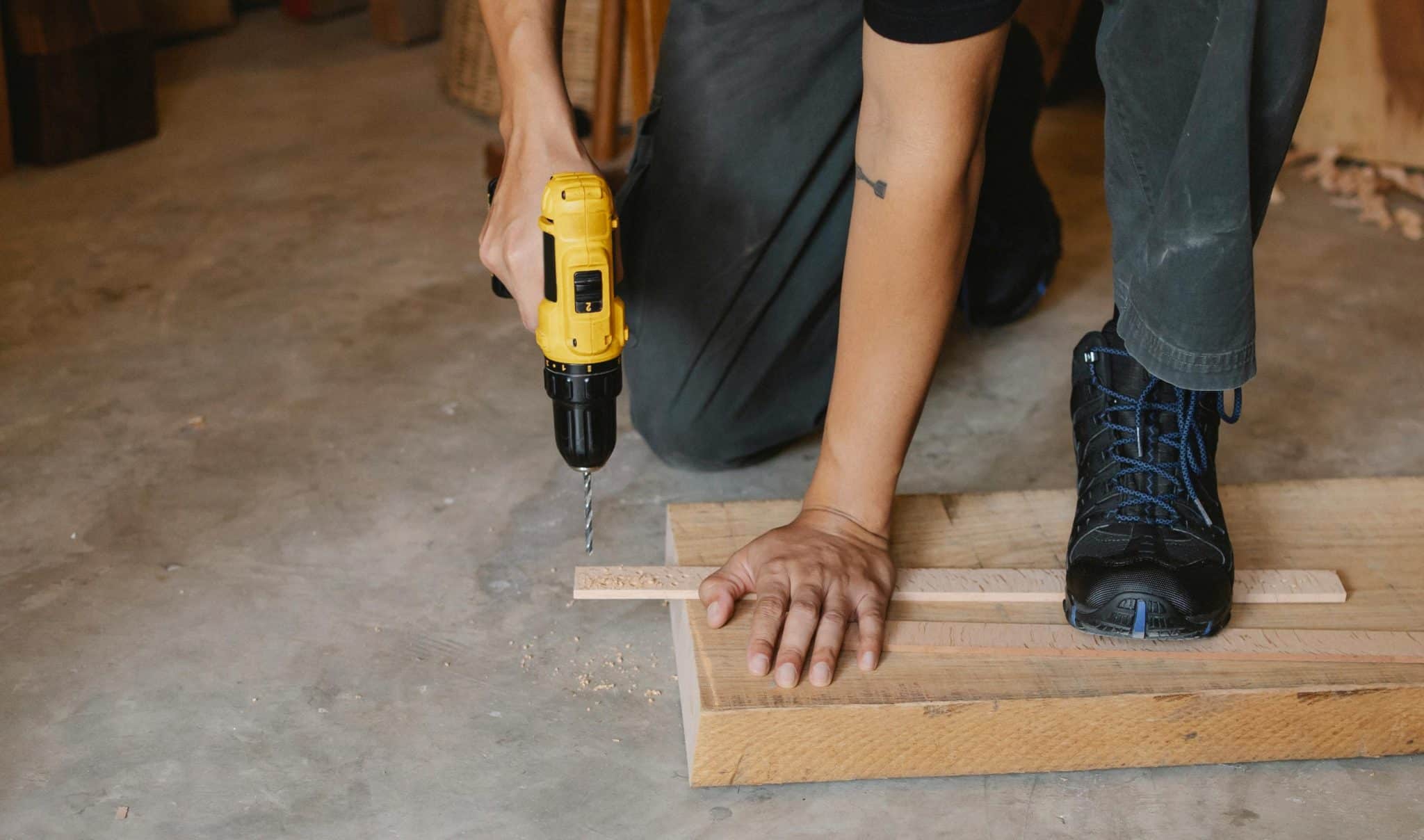
The success of any renovation project often hinges on the quality of installation and the reliability of the materials. DIY projects can save money upfront, but if the finish is poor, it can actually devalue the home. Uneven tiles, poorly cut trim, or gaps in flooring are red flags to inspectors and buyers. Bringing in professionals for specialized tasks like plumbing, electrical work, and floor installation is usually worth the expense.
Local suppliers are often better equipped to guide you toward products that work well in this specific region. They understand which manufacturers offer good warranties and which products hold up against local wear and tear. For example, visiting a showroom at vcfloor edmonton allows you to see and touch different samples, helping you verify the quality before you commit to a purchase. Local experts can also advise on stock availability, ensuring your project doesn’t stall due to shipping delays.
Curb Appeal and Exterior Maintenance
First impressions are formed before a buyer even steps inside. The exterior of your home sets the tone for what to expect. In Edmonton, exterior materials need to be tough. Vinyl siding is popular for its low maintenance, but fiber cement siding offers a more premium look and better fire resistance. Checking the condition of your roof and eavestroughs is also mandatory; water management is critical to protecting the foundation.
Landscaping in a northern climate should be low maintenance. Native plants that survive the freeze-thaw cycle without extensive care are ideal. Ensure that walkways are even and free of cracks to prevent tripping hazards and to make snow removal easier. A tidy, well-maintained exterior suggests that the current owner has taken good care of the property.
Basement Development Potential
A finished basement significantly increases the usable square footage of a home. In many cases, it can add a recreation room, an extra bedroom, or a home office. With more people working remotely, a dedicated office space is a highly desirable feature. When finishing a basement, pay close attention to lighting and ceiling height. Suspended ceilings are practical for accessing utilities, but drywall ceilings look more residential and upscale.
Flooring in the basement presents specific challenges due to the concrete slab. It is colder and more prone to moisture. Luxury vinyl plank is a top contender for basements because it is waterproof and warm underfoot. If you prefer carpet, ensure you use a high-quality underpad with a moisture barrier. Proper subfloor preparation is essential to keep the basement feeling warm and dry.
Planning Your Budget Wisely
Renovations almost always cost more than anticipated. A good rule of thumb is to set aside a contingency fund of 10% to 15% of your total budget for unexpected issues. This is especially true in older homes where opening a wall might reveal outdated wiring or plumbing that needs to be brought up to code.
Prioritize projects that fix structural or mechanical issues first. A new kitchen looks great, but not if the roof is leaking. Once the “bones” of the house are solid, move on to cosmetic upgrades. This hierarchy ensures that your investment is safe and that you are not simply putting lipstick on a pig.
Making Informed Decisions
Renovating a home is a journey that requires patience and research. By focusing on upgrades that offer tangible benefits—like durable flooring, energy efficiency, and modernized kitchens—you position your property as a premium listing. Avoid overly personalized trends that might alienate future buyers. Neutral colors, quality materials, and professional workmanship are the pillars of a renovation that pays off.
Take the time to consult with local experts and gather multiple quotes. Understanding the market conditions in your specific neighborhood will also help you determine the ceiling of your home’s value, preventing you from over-improving. With careful planning, your renovations will not only improve your daily life but also secure your financial future.
FAQ About Home Value Upgrades
What is the best renovation for ROI in Edmonton?
Kitchen and bathroom remodels typically offer the highest return on investment. However, replacing old flooring with durable hard surfaces is also a top contender because it dramatically changes the look and feel of the home. Energy-efficient windows and insulation upgrades are also valuable due to the cold climate.
Is hardwood flooring a good choice for this climate?
Yes, hardwood is a desirable feature, but humidity control is important. Because the air can get very dry in winter, homeowners should use a humidifier to keep the wood from shrinking or cracking. Engineered hardwood is often recommended as it is more stable than solid wood in fluctuating conditions.
How much should I spend on renovations before selling?
A common guideline is not to spend more on a room than its value relative to the whole house. For example, a kitchen renovation should generally cost no more than 10-15% of the property’s value. Spending too much can lead to over-improvement, where you cannot recoup the costs when you sell.
Do I need a permit for basement development?
In most cases, yes. Developing a basement involves electrical, plumbing, and structural changes, all of which require inspection to ensure safety and code compliance. Having proper permits is also crucial when selling, as unpermitted work can delay or kill a sale.