

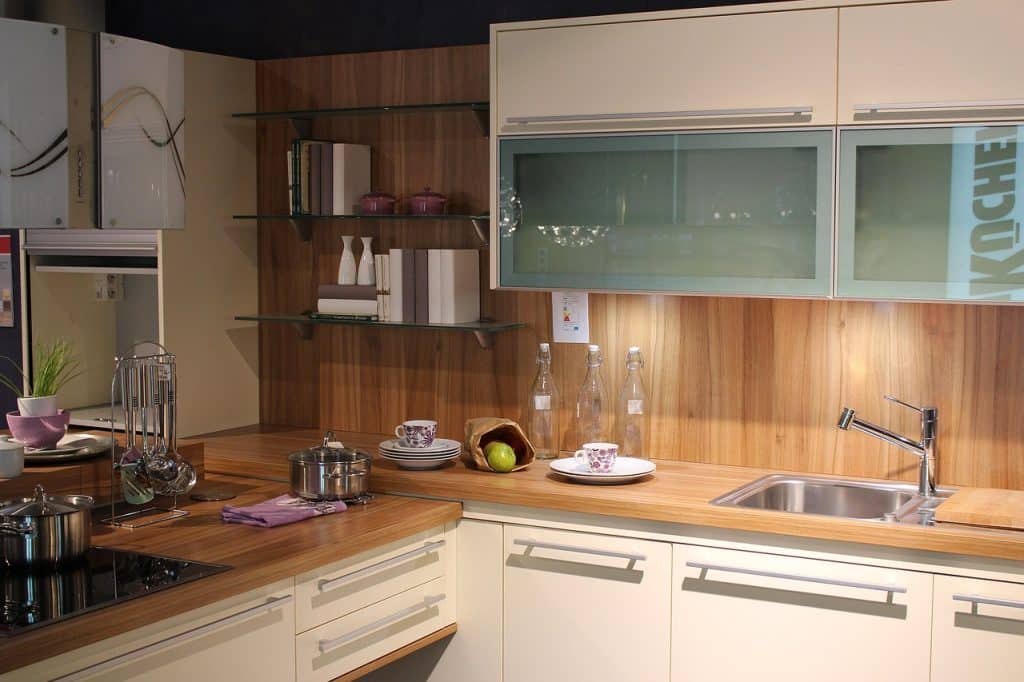
Planning a kitchen remodel can feel overwhelming, especially when you’re balancing design ideas, budgets, and everyday practicalities. The kitchen is one of the most used rooms in any home, so thoughtful planning is essential to avoid costly mistakes and delays. Whether you’re making small updates or going for a full renovation, the right approach will help you achieve a kitchen that works well for your lifestyle and stands the test of time.
Below are practical, step-by-step tips to help you plan your kitchen remodel with confidence.
Define Your Goals and Priorities
Before you think about colours, cabinets, or appliances, take time to define what you want from your new kitchen. Ask yourself what currently doesn’t work and what you’d like to improve. Is it a lack of storage, poor lighting, or an awkward layout?
Make a clear list of priorities. For some households, functionality and durability matter most. For others, creating a space for entertaining or family meals is the main goal. Having these priorities written down will guide every decision you make and help you stay focused when choices feel overwhelming.
Set a Realistic Budget Early On
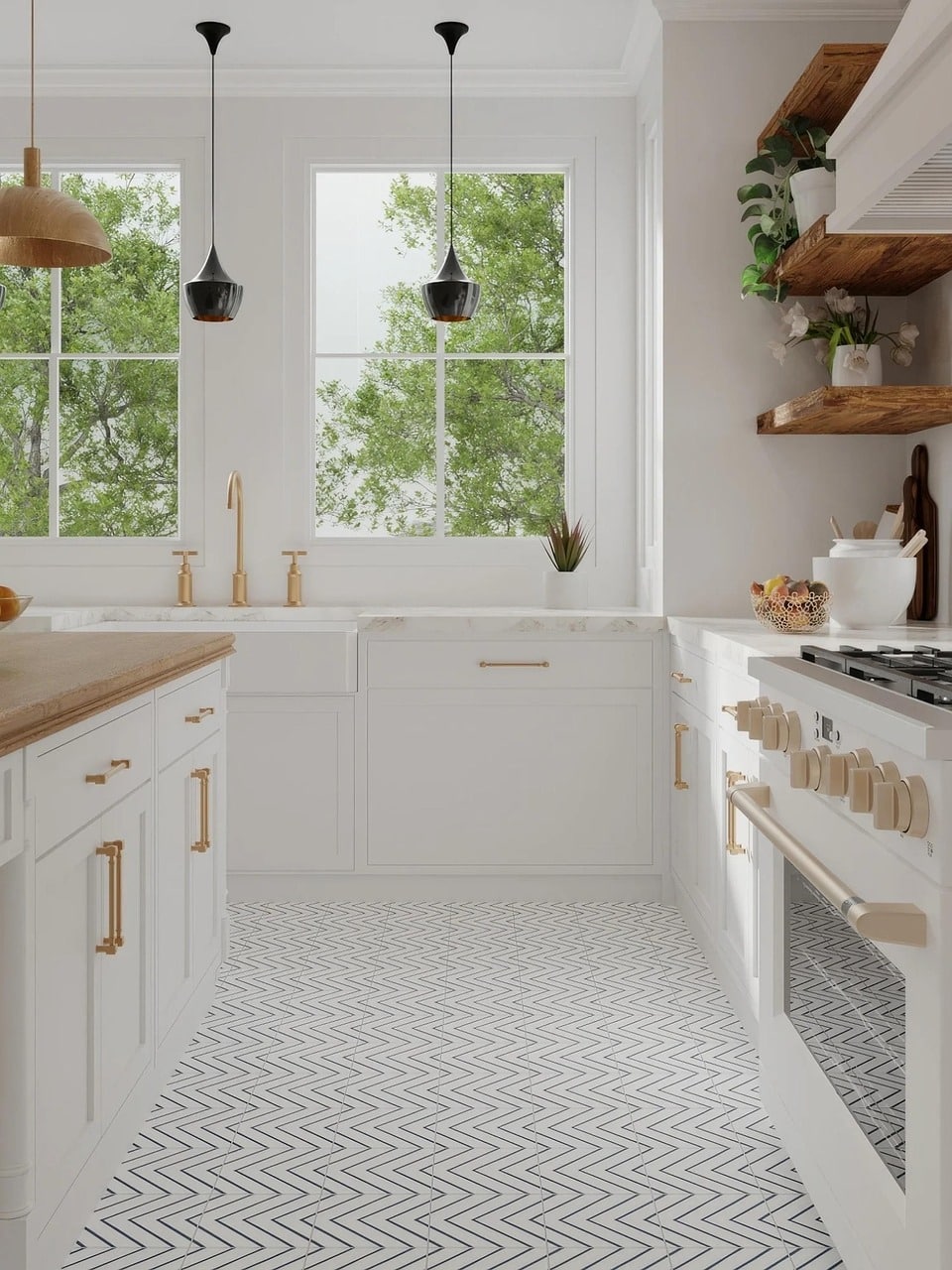
A clear budget is one of the most important parts of planning a kitchen remodel. Decide how much you’re comfortable spending and include a contingency of around 10–15% for unexpected costs. These could include plumbing issues, electrical upgrades, or structural surprises uncovered during the work.
Break your budget into categories such as cabinetry, worktops, appliances, flooring, and labour. This makes it easier to see where you can save and where it’s worth spending a bit more for quality and longevity.
Think Carefully About Layout and Workflow
The layout of your kitchen will affect how it functions every day. Consider how you move around the space and how different tasks flow together. The classic work triangle—sink, hob, and fridge—is still a useful concept, but modern kitchens often adapt it to suit open-plan living and busy households.
If possible, keep plumbing and major appliances in similar positions to reduce costs. Even small layout changes, such as widening walkways or adding a kitchen island, can make a big difference to comfort and usability.
Choose Materials That Suit Your Lifestyle
It’s easy to be drawn to the latest trends, but practicality should always come first. Think about how much wear and tear your kitchen gets and choose materials accordingly. For example, families may prefer durable worktops and easy-to-clean splashbacks, while keen cooks might prioritise heat-resistant surfaces.
If you’re planning a DIY-friendly project or want more control over materials, suppliers like Cut My can be a useful option for sourcing DIY materials cut to your required sizes. This can help reduce waste and make installation more straightforward.
Plan Storage More Than You Think You Need
Lack of storage is one of the most common regrets after a kitchen remodel. When planning cabinets and drawers, think beyond what you currently have. Consider future needs, bulk shopping habits, and small appliances that need a home.
Deep drawers, pull-out larders, corner solutions, and integrated bins can greatly improve how your kitchen functions. Vertical storage, such as tall units or wall-mounted shelves, is also a smart way to maximise space without cluttering the room.
Don’t Overlook Lighting and Electrical Points
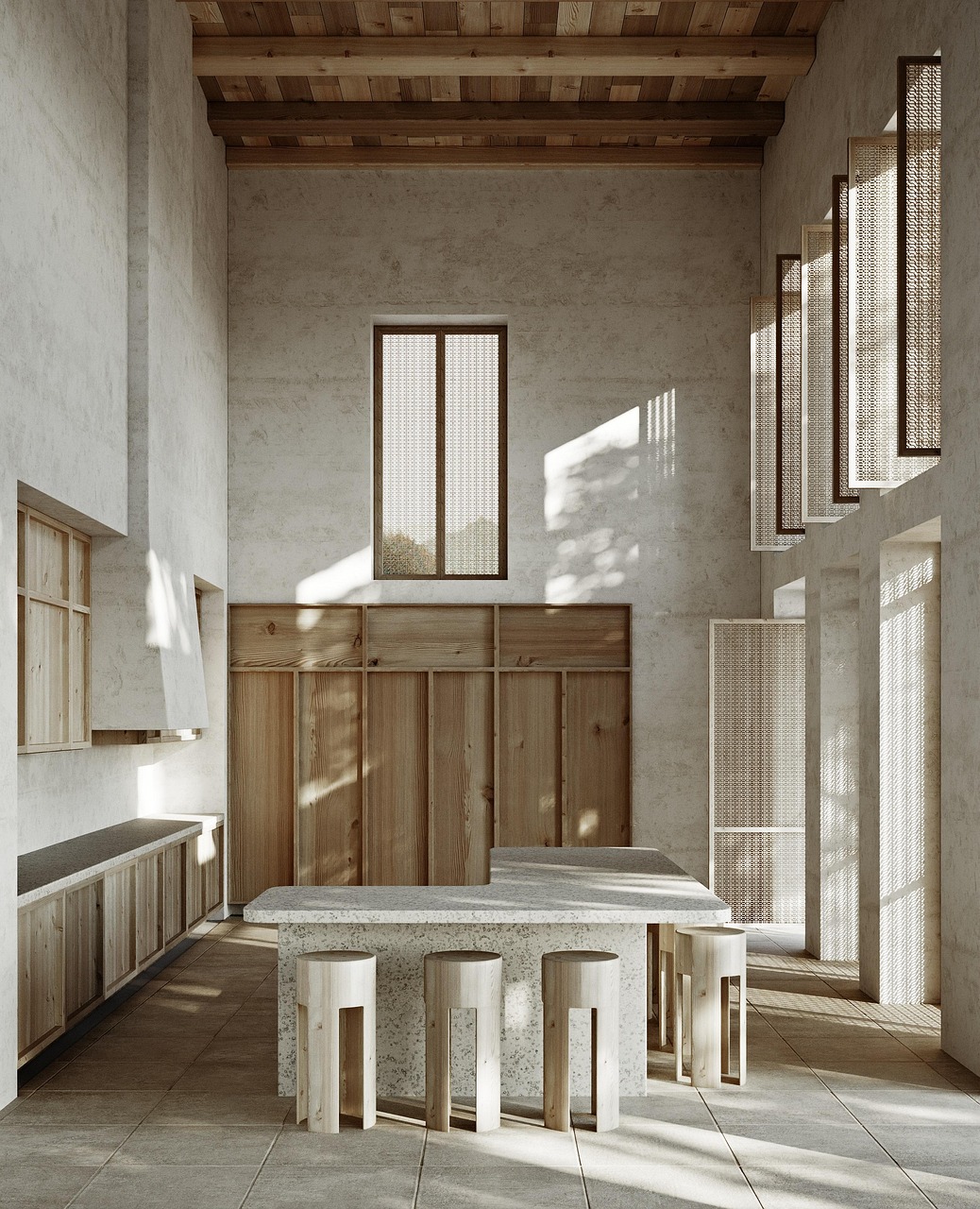
Good lighting can completely change how your kitchen feels and works. Aim for a layered approach that includes general lighting, task lighting, and accent lighting. Under-cabinet lights are particularly useful for food preparation areas, while pendant lights can add character over islands or dining spaces.
At the same time, plan your electrical points carefully. Think about where you’ll use small appliances, charge devices, or add future features. It’s far easier and cheaper to install extra sockets during the remodel than to add them later.
Choose Appliances That Fit Your Needs
When selecting appliances, focus on how you actually use your kitchen rather than what looks impressive. A large range cooker might be unnecessary if you rarely cook big meals, while a quiet dishwasher can make a big difference in open-plan homes.
Check appliance dimensions early in the planning process to ensure they fit seamlessly into your cabinetry. Energy efficiency is also worth considering, as it can reduce long-term running costs.
Create a Clear Timeline and Plan Ahead
Kitchen remodels often take longer than expected, so a realistic timeline is essential. Factor in lead times for materials, custom cabinetry, and appliances, especially if you’re ordering bespoke items.
If you’re living in the home during the renovation, plan how you’ll manage without a fully functional kitchen. Setting up a temporary cooking area can make the process far less stressful.
Final Thoughts
A successful kitchen remodel is all about preparation. By defining your goals, setting a clear budget, and making practical choices about layout, materials, and storage, you can avoid common pitfalls and create a kitchen that truly works for your home. With careful planning and a focus on everyday use, your remodel can be a smooth process with results you’ll enjoy for years to come.