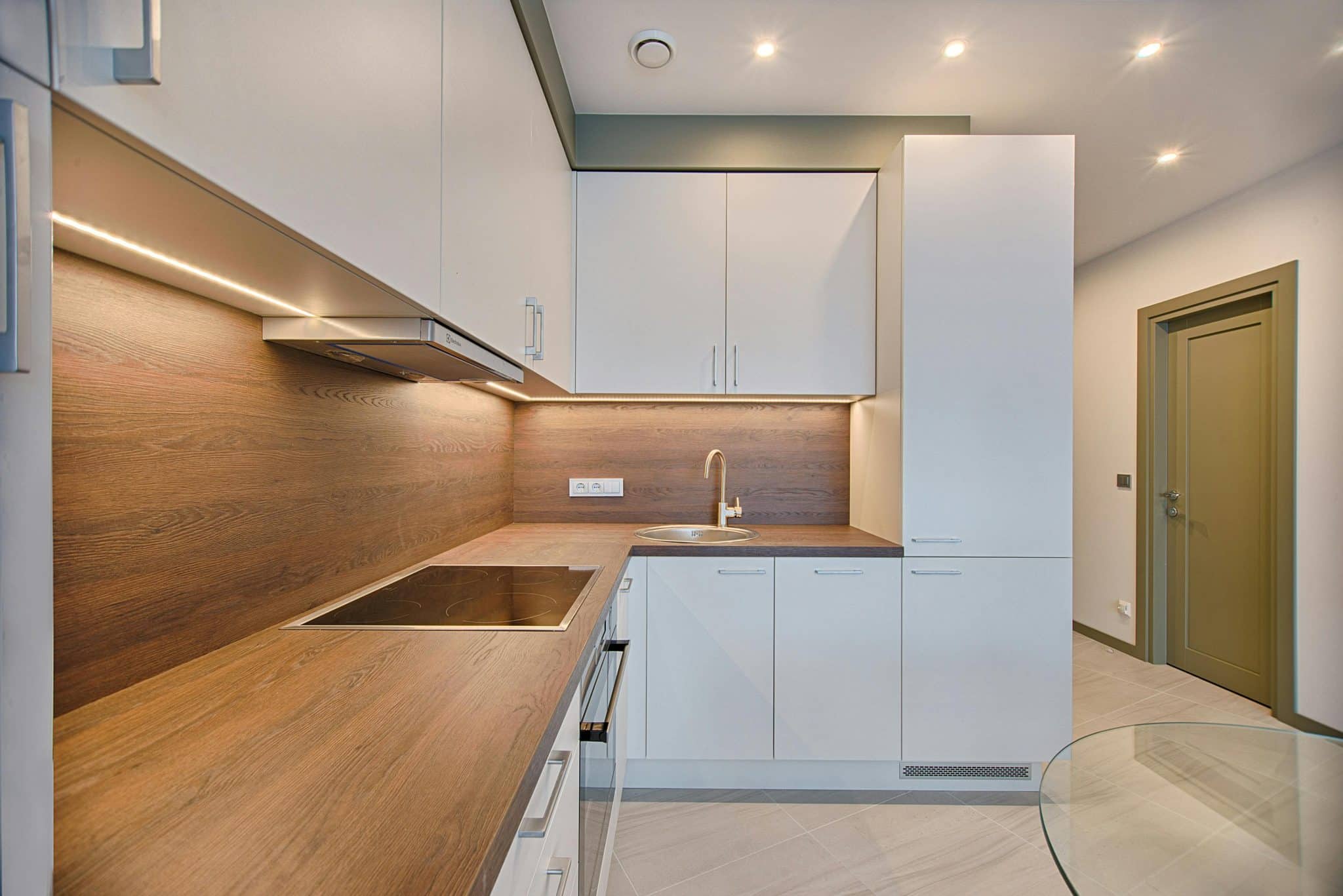

Designing a bold room is less about shock value and more about smart choices. When you plan the effect you want, the pieces you pick will feel intentional, not random.
This guide walks you through practical steps to help you choose daring colors, textures, and focal points without compromising comfort. You will learn how to balance energy with calm, so the room still functions effectively for everyday life.
Start With A Clear Purpose
Before you pick a color or pattern, decide what you want the room to do. Do you want it to feel cozy, energetic, or dramatic? A simple goal guides every later choice.
List the moments that happen here each day. If you read in this corner or host friends on weekends, your bold move should support those moments. It should not fight the way you actually live.
Match the purpose to one strong feature. A statement color on the wall behind your sofa, a sculptural light, or patterned drapery can carry the idea. Keep the rest calm so the room never feels busy.
Use One Big Move, Not Many
A bold feature works best when it has room to breathe. If your eye keeps bouncing around, check a few accent wall tips to decide which single surface deserves the spotlight. Then let nearby elements play a supporting role.
Stick to one high-impact item in the space. That might be a richly colored wall, a dramatic art piece, or a standout rug. This keeps your design clear and easier to live with day after day.
Echo the big move with small repeats. Use one or two accents from the same color family on a pillow, a vase, or a book spine. The repetition pulls the room together without adding clutter.
Balance Bold Colors With Neutrals
Strong color can make a room sing, but it needs a chorus of neutrals to stay pleasant. Pair saturated hues with soft whites, warm beiges, or gentle grays. The contrast sets off the bold tone while keeping the vibe relaxed.
Test color where it matters most. Paint a large sample board or hang swatches and view them in the morning, afternoon, and evening. Light changes everything, and a shade you love at noon may feel heavy at night.
Use this quick check when picking combinations:
- Choose 1 dominant bold color for the key feature.
- Support it with 2 to 3 neutrals for walls, floors, and large furniture.
- Add 1 accent in a related hue to tie the room together.
Play With Texture And Dimension
Color is powerful, but texture makes a room feel rich. Tactile finishes invite touch and create depth even in a simple palette. A design report highlighted the rise of finishes that people want to reach out and feel, noting the appeal of textured walls and materials.
Start with one textured surface that fits your style. Limewash, grasscloth, fluted wood, or a microcement finish can add movement that flat paint cannot. Use it on a feature wall, a fireplace surround, or cabinet fronts.
Keep contrast in mind. If your walls are smooth, bring in a chunky knit throw, a ribbed lamp base, or a boucle chair. If the walls already have movement, choose cleaner lines for furniture so the space stays balanced.
Consider Murals, Ceilings, And Unexpected Surfaces
A bold feature does not need to be a plain block of color. Murals and scenic wallpapers are surging, and recent coverage pointed out that interest in mural wallpaper has jumped dramatically since mid-2025. That tells us people want big stories on their walls.
Think beyond the usual spot. A ceiling in a moody shade, a painted door edge, or a patterned inside of a bookshelf can deliver surprise without overwhelming the room. These smaller planes carry color beautifully.
If you try a mural, keep furniture lines simple. Let the art breathe and avoid heavy patterns right next to it. Frame the moment with solid textiles and straightforward lighting so the mural stays the star.
Test Lighting And Sheen Before You Commit
Lighting can elevate or flatten a bold feature. Natural light will cool or warm your colors across the day, and artificial bulbs change the mood at night. Always view samples with the lamps you actually use.
Sheen matters as much as shade. Matte finishes hide wall flaws and look soft, while satin and semi-gloss bounce more light. High gloss can feel chic on trim or a small ceiling but may expose imperfections on large walls.
Use a simple test kit before you finalize:
- Paint sample boards in 2 or 3 sheens of the same color.
- Move the boards around and check them at different times.
- Decide which sheen supports the atmosphere you want most.
Edit Patterns And Scale
Patterns bring energy, yet too many can compete. Start with one hero pattern, like a large botanical or geometric, then layer one small-scale companion. Keep shared colors between them to make the mix feel intentional.
Mind the scale of your room. Big patterns can make small spaces feel jewel-box special, but they should not crowd the eye. In a large room, a tiny print might disappear unless it is repeated in several places.
Use solids to separate patterns so they read clearly. A plain sofa between patterned drapes and a bold rug gives the eye a rest. Repeat one pattern in a pillow or shade to knit everything together.
Make It Personal And Practical
Trends come and go, but your taste should lead. A recent piece on bold walls observed that homeowners and designers are embracing strong colors and creative techniques to make statements that reflect who they are. That confidence is the best guide for picking features you will love.
Choose pieces you will use. A vivid reading chair, a painted vintage dresser, or a sculptural floor lamp can be both expressive and functional. Beauty that works hard will always earn its place.
Upkeep plan. Washable paints, durable fabrics, and replaceable slipcovers let you live in the room without worry. When the practical side is covered, the bold side feels easy to enjoy.
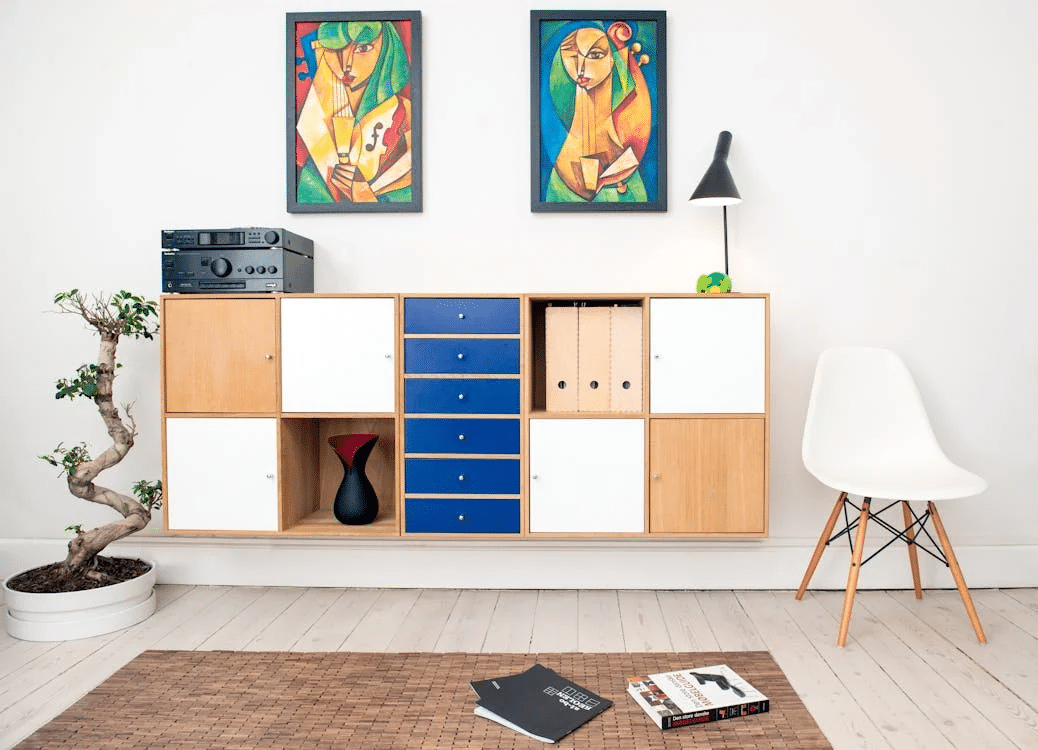
Designing with courage does not mean living in visual chaos. It means making a few focused choices and giving them space to shine. When you keep purpose, balance, and comfort in mind, bold features feel natural.
Start small if you like, then build as your confidence grows. A single adventurous move often leads to the next, and soon the room tells your story in color, texture, and shape.