
Smart planning starts before sofas arrive. Empty rooms give clear sightlines and honest measurements, which shape better choices: furniture limits movement and measurement accuracy, so open floors speed decisions. Clear rooms reveal natural walkways that guide traffic and comfort. In fact, layout errors can take time and money when items block access.
Door swings and clearance feel obvious early, hence fewer fixes later. This guide focuses on renovation decisions that are easier before furniture goes in and shows how timing saves effort. Early action reduces delays and waste. Builders work faster, checks stay simple, and results meet expectations. Above all, planning first protects budgets, schedules, and daily routines.
Electrical Outlet and Switch Placement Comes First
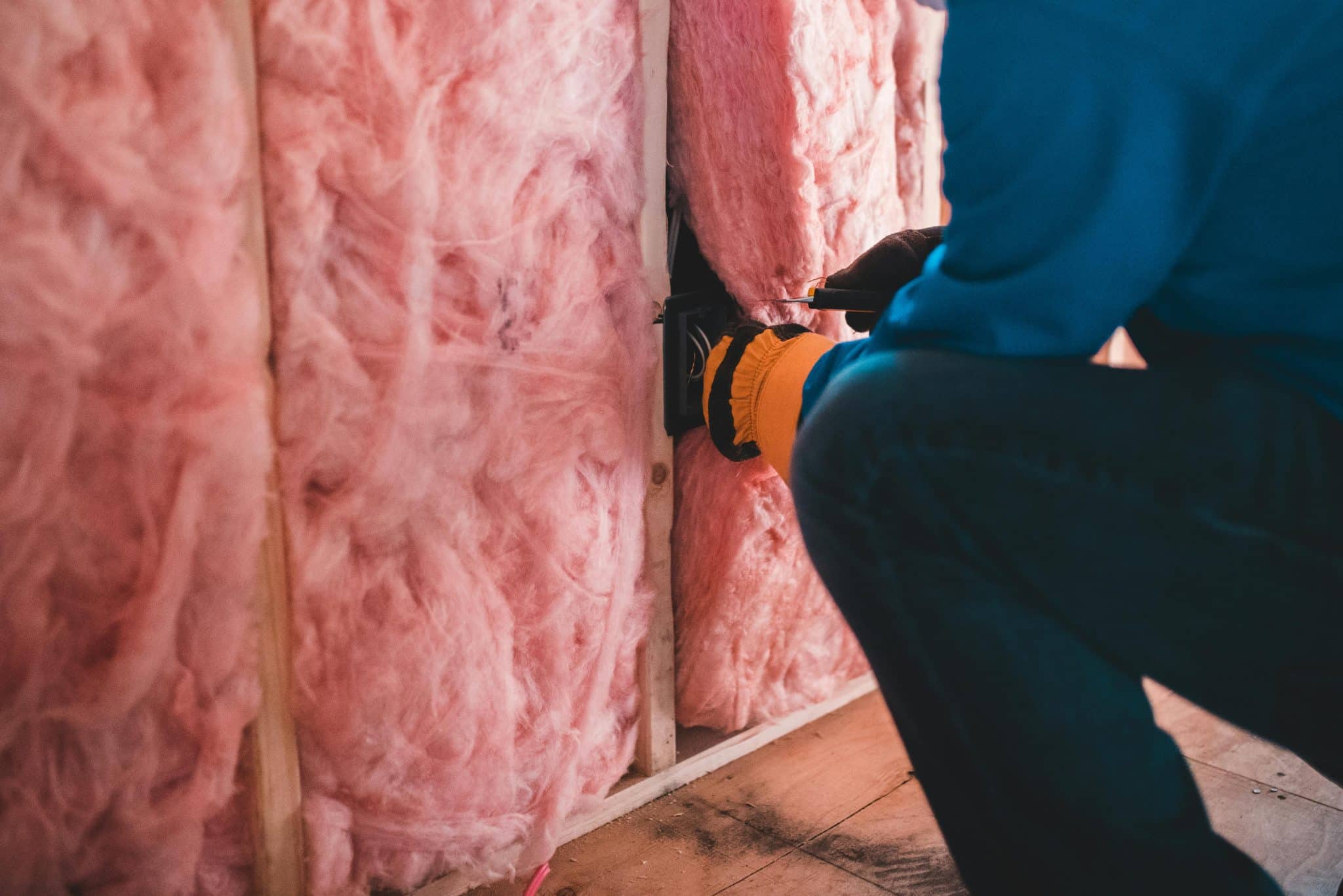
Early planning keeps power access practical and visible. Empty walls simplify outlet positioning and speed clear choices. Electricians spot spacing issues fast without couches or cabinets blocking views. Lighting plans work best without obstructions, so fixture height and switch reach feel right.
Another point is that furniture often hides needed outlets, which leads to unsafe extensions later. Open rooms show where chargers, lamps, and appliances truly sit. Smart home wiring requires open access, hence installers finish faster and cleaner. Delays force costly wall repairs after move-in. Outlet height, switch zones, and dimmer locations align with daily habits. On the other hand, rushed placement causes glare and shadow problems.

Flooring Installation Is Faster Without Obstacles
Open floors speed decisions and reduce mistakes during installation. Crews measure straight runs and cut clean edges without pauses. As a matter of fact, empty rooms help teams keep lines consistent across spaces. Furniture drags slow progress and invites scratches. Installers spot subfloor issues early and fix them fast.
However, delays appear once heavy items crowd paths. Continuous planks flow from room to room without awkward breaks. Clean access supports tight timelines and predictable costs. Smooth sequencing keeps dust contained and cleanup simple. Early flooring work also protects later steps, since crews avoid lifting and shifting. Clear rooms protect finishes from damage.
Paint and Wall Finishes Look Better Without Furniture
Bare walls reveal true color and texture. Painters reach corners and edges without shifting items. Of course, prep stays thorough with full access. Light reflects evenly, so hues read accurately. Samples show undertones clearly across the day.
In contrast, crowded rooms hide drips and missed spots. Clean lines form around trim and ceilings. Accent walls align with focal points instead of sofas. Faster drying reduces lingering odors and dust. Early painting also protects furniture from splatter and scuffs. The sequence keeps schedules tight and stress low. Fresh finishes set the tone before move-in and support renovation decisions that are easier before furniture goes in.

Renovation work benefits from open, uncluttered spaces. Therefore, if you just moved into a new home, before unpacking, take time to understand your new home’s layout, since empty rooms make wall alignment, door movement, and traffic patterns easier to assess. Next, position your large furniture items on paper or with temporary markers so contractors can work without obstacles and move efficiently. At this stage, following practical unpacking tips helps connect renovation choices with how each room will function once daily life resumes.
Focus first on areas you need right away, such as bedrooms, bathrooms, and the kitchen, while keeping other rooms clear. Then unpack room by room to maintain order and avoid unnecessary disruption. This approach improves safety, simplifies inspections, and reduces the chance of rework. Making these decisions early supports the budget, keeps schedules on track, and allows the home to come together smoothly without second-guessing later.
Lighting Design Decisions Belong at the Start
Open sightlines guide smart fixture placement. Designers test beam spread and glare with nothing in the way. Similarly, recessed spacing feels balanced across ceilings. Natural light patterns appear honest without tall pieces blocking windows. Switch reach feels intuitive during walkthroughs.
Nevertheless, delays force compromises after move-in. Shadows fall where people stand, not where furniture hides problems. Early choices reduce rewiring and patching. Dimmers land near entries and seating zones. Thoughtful lighting supports comfort and safety every day. Starting early saves time and money.
Built-In Storage Works Best When Planned Early
Clean layouts reveal storage gaps quickly. Designers map shelves, benches, and cabinets with precise measurements. Built-in storage is very common and highly sought-after in modern homes to maximize space, according to the Realtor platform. With this in mind, installations fit walls perfectly. Stud locations remain visible and accessible.
Traffic paths stay clear around doors and drawers. Late planning causes clashes with existing pieces. Early choices improve balance and proportion. Custom units match room scale and daily habits. Storage near entries supports shoes, bags, and coats. Planning first reduces rework and waste. Built-ins feel intentional and sturdy when rooms are empty during decisions.
Window Treatments and Hardware Fit Better Early
Unblocked windows support accurate measurements. Installers set mounting height without guessing. Then again, furniture often misleads scale and sightlines. Early placement balances light and privacy. Motor tracks and cords route cleanly. Hardware aligns with trim and casing. Shades drop evenly and clear sills. Curtains frame views without bunching. Early work avoids patching and repainting later. Treatments feel integrated, not added on. Planning first delivers symmetry and function while keeping work efficient and predictable.

Final Walkthroughs Reveal Hidden Issues
Empty rooms tell the truth. Footsteps expose squeaks and dips. Problems show themselves quickly. Echoes reveal sound issues across rooms. Sightlines highlight misalignments at doors and trim. Hence, teams fix items before move-in pressure builds. Punch lists stay short and clear. Lighting checks feel accurate at night and day. Clean access speeds corrections and sign-off. Early walkthroughs protect time and money. Clear spaces close projects, strong and confident.
Plan First, Furnish Later for Better Renovation Results
Smart timing shapes better outcomes. Renovation decisions that are easier before furniture goes in reduce delays, errors, and added costs. Clear rooms support accurate planning, faster work, and cleaner results. Each choice gains clarity without obstacles in the way. In short, early action protects finishes and schedules. Homeowners avoid rework and frustration. Planning first also simplifies move-in and daily use. Strong preparation turns renovation goals into lasting comfort and function.