
They say all you need is food, clothing, and a leak-free roof over your head. It’s a simple truth that often gets overlooked in the excitement of home improvement projects. While homeowners eagerly invest in updated kitchens, fresh paint, and landscaping upgrades, the roof—your home’s primary defense against the elements—frequently gets ignored until something goes visibly wrong. This oversight can be costly.
The problem is that many homeowners miss or dismiss the early warning signs of roof deterioration. What starts as a minor issue (e.g., a few curled asphalt shingles or a small water stain in the attic) can quickly escalate into a major roofing project involving extensive water damage, compromised roof decking, or even structural failure. By the time a roof leak becomes obvious, the damage has often spread far beyond what’s visible from the ground.
The good news? Early detection saves money. Catching problems early often means a straightforward roof repair rather than a complete roof replacement. This guide will walk you through the critical red flags that signal your roof needs professional attention, helping you protect your investment and avoid costly emergency repairs down the road.
Interior Signs
Here are things you can do or watch out for indoors:
1. Attic Inspection
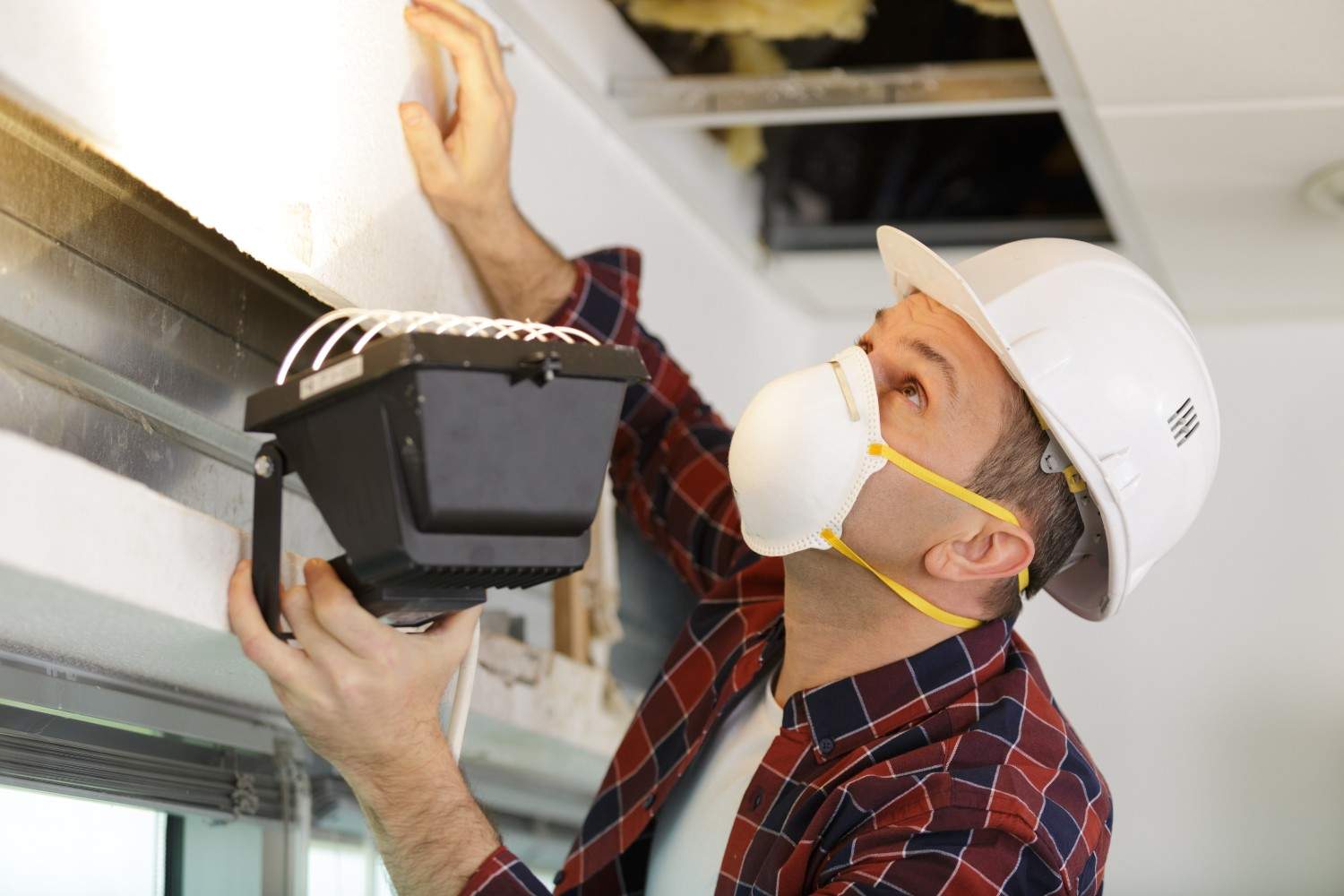
Your attic is your first line of defense in detecting roof problems before they become visible throughout your home. Check your attic during daylight hours when natural light can reveal hidden issues.
Then turn off any attic lights and look carefully at your roof decking and roof sheathing from below. If you spot beams of light penetrating through the boards, you’ve found holes or gaps that are allowing both light and weather to enter your home. These openings are clear indicators that your roofing materials have been compromised.
While you’re in the attic, examine your attic insulation closely. Insulation should be dry and fluffy. If it feels damp, appears compressed, or has darkened areas, you’re dealing with water infiltration that needs immediate attention. Wet insulation loses its effectiveness and can harbor mold growth.
2. Ceilings and Wall Stains
Don’t forget to inspect your interior ceilings and walls regularly. Water stains—those telltale brown or yellow rings that appear on ceilings—are often the first visible sign of a roof leak that’s reached your living space. However, here’s a critical point many homeowners miss: water travels along beams and boards before dripping down, so the actual roof leak may be several feet away from where the stain appears.
3. Mold and Mildew
Finally, trust your nose. A persistent musty smell often precedes visible water damage, indicating trapped moisture that’s affecting your sound decking and creating conditions for mold and mildew growth. If you notice this odor, it’s time to investigate further or call a roofing contractor for a professional assessment.
Exterior Warning Signs
Your roof’s exterior condition tells the story of its health and remaining lifespan. Different roofing materials exhibit different warning signs, so knowing what to look for based on your specific roof type is essential. If you’re in the area of Wisconsin, you can check out firms for roof repair Madison has to offer.
1. Asphalt Shingle Roofs
Asphalt shingle roofs are the most common in America, and they display clear warning signs when they’re failing. Pay close attention to curling and buckling. When asphalt shingles begin to curl at the edges or buckle in the middle, they’re signaling that they’re nearing the end of their useful life. This ‘old roof syndrome’ indicates that the shingles have lost their flexibility and can no longer provide adequate protection.
Equally important is granule loss. Those small, sand-like granules protect the asphalt from harmful UV rays. If you notice what looks like black sand accumulating in your gutters or downspouts during gutter cleaning, your shingles are shedding their protective coating. Once exposed, the underlying asphalt deteriorates rapidly under constant sun exposure.
2. Other Roofing Materials
Metal roofing requires different vigilance. Inspect metal roofs for rust patches, which indicate the protective coating has been compromised. Look for loose panels, damaged metal shingles, or problems with standing seam connections where panels join together. While metal roofs are extremely durable, storm damage can cause denting or separation at the seams.
For tile and slate roofing, watch for cracked, broken, or sliding individual pieces. Slate tiles and clay tiles are incredibly long-lasting materials, but they’re also brittle. Slate roofs can endure for a century or more, but foot traffic or impact from storm damage can crack them. Wooden shakes present their own challenges, including splitting, warping, or rot from prolonged moisture exposure.
3. Missing Pieces
Regardless of your roofing materials, missing shingles or tiles represent an emergency situation. High winds and severe storms can tear off individual pieces, leaving the underlying roofing components (e.g., including roof sheathing and roof decking) completely exposed to the elements. Even a few missing asphalt shingles can allow water infiltration that quickly spreads to surrounding areas.
Critical Component Failures
Leaks rarely originate in the middle of an intact shingle. Instead, they occur where your roof meets something else, like chimneys, walls, vents, or valleys. These transition points, called penetrations, are your roof’s most vulnerable areas and deserve careful attention during inspections.
1. Flashing Issues
Roof flashing serves as your roof’s waterproofing armor at these critical junctions. Pay special attention to step flashing, the pieces that run along dormers and sidewalls, and chimney flashing, which creates a watertight seal where your chimney meets the roof. Warning signs include rusted or corroded metal flashing, which loses its ability to shed water effectively. Also check for cracked or missing roof cement: the sealant used to bond flashing pieces together. When these seals fail, water finds an easy path into your home.
2. Chimneys and Vents
Plumbing vents and other roof penetrations require regular inspection. Examine the pipe boots, those rubber or neoprene seals that wrap around vent pipes protruding through your roof. When exposed to constant sun and temperature fluctuations, these boots crack and deteriorate, creating openings for water infiltration.
For chimneys, look beyond the flashing. Crumbling mortar between bricks is a common issue that homeowners often mistake for a roof leak. If you notice deteriorating mortar joints, you may need repointing of chimneys, a masonry repair that prevents water from penetrating the chimney structure itself.
3. Gutters and Edges
Don’t overlook your roof’s edges. Inspect fascia boards (the vertical boards running along your roofline) for signs of rot, peeling paint, or water staining. Damaged fascia often results from ice dams in winter or chronically clogged gutters that allow water to back up under the shingles. Regular gutter cleaning isn’t just about drainage; it’s essential preventive maintenance that protects your entire roofing system from water damage.
The Financials
The critical question every homeowner faces: when is a simple roof repair sufficient, and when do you need a roofing contractor for a complete tear-off and replacement?
Assessing the Damage
Several factors determine the answer. Consider your roof’s age. Most asphalt shingle roofs last 20-25 years. Evaluate the extent of damage: is it localized to one area with perhaps a cracked rafter, or are you dealing with widespread rot affecting multiple roofing components? Your roof pitch also matters, as steeper roofs often cost more to repair due to safety requirements and accessibility challenges.
Cost Considerations
Understanding roof replacement costs helps you budget appropriately. Total expenses include both materials and labor costs, which can vary significantly by region and roof complexity. Consider requesting quotes from multiple roofing companies in your area, or use an online cost calculator for initial estimates.
While upfront costs matter, think long-term. Investing in high-quality roofing materials (e.g., liquid-applied membrane for flat sections, durable bitumen roofs, or premium asphalt shingles) often proves more economical over your roof’s lifespan. Quality materials backed by strong workmanship warranties reduce the frequency of repairs and extend the time before your next roof replacement.
Conclusion
Ignoring early warning signs, whether it’s water stains on your ceiling, missing asphalt shingles on your roof, or deteriorating flashing, inevitably leads to far more expensive repairs down the road. What could be a manageable roof repair today may become a full roof replacement tomorrow if left unaddressed.
When problems arise, hire a reputable roofing contractor with proven real results in your community. Whether you choose a small company with personalized customer service or an established firm with extensive resources, verify their service areas to ensure they work in your location. Confirm they have experience with your specific roof type (metal roofing requires different expertise than shingle roofs). Always look for companies offering comprehensive workmanship warranties that protect your investment.
Don’t wait for the next storm to reveal weaknesses in your roof. Ensure your home remains safe and dry for years to come.