
Most of us put up with minor annoyances in our daily spaces without even realizing it. The TV audio that makes you crank subtitles on every time. The stiff neck that never quite goes away. The messy queue at your shop that frustrates customers weekly.
These things add up. They chip away at comfort, productivity, and satisfaction in ways we barely notice until something changes.
The good news? Fixing them doesn’t require gutting your home or business. Sometimes one smart purchase solves a problem you’ve tolerated for years. This article covers a few practical upgrades worth considering, whether you’re focused on your living room, your personal wellness, or your customer experience.
Why Your TV Probably Sounds Terrible
Here’s something nobody tells you when you buy a new television: the speakers inside are almost always awful.
TV manufacturers pour their budgets into screen quality. Thinner bezels, higher resolution, better contrast. The speakers? An afterthought crammed into a slim frame that can’t possibly produce decent sound.
You notice it during dialogue scenes. Characters mumble. You reach for the remote to bump the volume. Then an action scene hits and suddenly everything’s blasting. It’s exhausting.
Background music gets lost entirely. That emotional score the filmmakers spent months perfecting? Flat and lifeless through built-in speakers. Sound effects lack punch. Explosions sound like someone dropping a textbook.
Most people assume this is just how home viewing works. It isn’t.
The fix is simpler than you might expect. Sound Bars have become the go-to solution for anyone wanting better audio without the hassle of a full surround system.
Think about it. Traditional speaker setups mean multiple boxes, wires running across your floor or through your walls, and hours of configuration. A sound bar? One unit, one cable, maybe fifteen minutes of setup. Done.
Modern models punch well above their weight. They use clever processing to simulate surround sound, bouncing audio around your room to create depth and dimension. Many come with wireless subwoofers for bass that you actually feel.
The difference hits you immediately. Dialogue becomes crisp. Music swells properly. Movies feel more like movies.
And it’s not just entertainment. Working from home means video calls happen in living rooms now. Clear audio makes those meetings less draining. Gaming gets more immersive. Even casual YouTube watching improves.
Match the sound bar to your space and you’re set. Smaller rooms do fine with compact models. Larger areas might need something with more power. Either way, the upgrade pays off every single time you press play.
The Case for Bringing Relaxation Home
Let’s talk about tension. Not the emotional kind, though that’s related. Physical tension. The stuff that builds in your shoulders, neck, and back over weeks and months.
Desk work does a number on your body. So does manual labor, long commutes, even just the stress of keeping up with life. Muscles tighten. Knots form. That dull ache becomes your new normal.
Professional massage helps. Everyone knows this. But booking appointments takes effort. Getting there takes time. Paying for regular sessions adds up fast.
So most people go occasionally, feel great for a day or two, then slide right back into stiffness. The cycle repeats.
What if relief lived in your house instead?
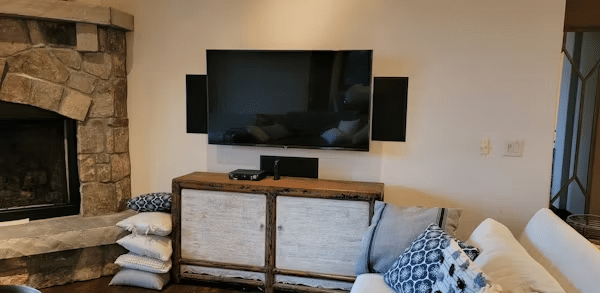
Quality massage chairs have come a long way from those coin-operated vibrating seats at the mall. Today’s versions are genuinely therapeutic. They knead, roll, compress, and stretch. Many scan your body first to customize the pressure and positioning.
Heat therapy comes standard on most decent models. Warmth loosens muscles before the mechanical work begins, making each session more effective.
The real advantage is access. When a massage chair sits in your living room or home office, you actually use it. Fifteen minutes before bed. A quick session after exercise. A midday break when your shoulders start creeping toward your ears.
Consistency matters more than intensity with muscle tension. Regular shorter sessions beat occasional long ones. Having the equipment at home makes consistency realistic.
Run the math sometime. Compare the chair’s price to a year of weekly professional massages. For most people, the home option wins financially while offering unlimited use for years.
Couples and families multiply the value further. One purchase, multiple people benefiting daily.
Beyond the physical relief, there’s something to be said for giving yourself permission to rest. We’re conditioned to push through discomfort, to save relaxation for someday. A massage chair sitting in your space serves as a daily reminder that recovery matters.
Your body carries you through everything. Taking care of it isn’t indulgent. It’s maintenance.
Making Customer Flow Feel Effortless
Switching gears to business environments now. If you run a retail shop, manage events, or oversee any space where people queue up, this section’s for you.
Think about the last time you stood in a confusing line. Nobody knew where it started. People cut in, intentionally or not. Staff kept shouting directions that half the crowd couldn’t hear. Frustrating, right?
Your customers feel that same frustration when your space lacks clear flow.
Here’s what happens without proper guidance. People cluster near entrances, unsure where to go. Lines snake unpredictably, blocking aisles and displays. Tensions rise when someone perceives unfairness. Staff spend half their energy directing traffic instead of actually serving people.
It’s chaos that feels normal because so many businesses tolerate it.
The solution isn’t complicated. Well-placed rope queue barriers create instant order. They show customers exactly where to stand, which direction to move, and what to expect next.
The psychology shifts immediately. People relax when they understand the system. They trust that waiting will be fair. Anxiety drops. Complaints drop. The whole atmosphere improves.
These systems work across countless settings. Retail checkout areas during busy periods. Reception desks at offices and clinics. Entry points at concerts and exhibitions. Restaurant waiting areas. Anywhere people need to wait in sequence.
Today’s options look better than you might remember. Forget those dated velvet ropes from old movie theaters. Modern barriers come in sleek finishes that blend with contemporary interiors. Black, chrome, brass, custom colors. Retractable belts offer flexibility for spaces that change configuration throughout the day.
Setup takes minutes. Rearranging takes seconds. Storage is compact when you don’t need them.
For events especially, portable barriers solve a constant headache. Crowds shift throughout any gathering. Being able to quickly adjust pathways keeps things flowing smoothly as conditions change.
Safety benefits matter too. Clear lanes mean emergency exits stay accessible. Overcrowding in popular spots becomes manageable. Staff aren’t physically herding people around, which reduces everyone’s stress.
Good crowd management is invisible when done right. Customers don’t think about it. They just move through your space comfortably and leave with a positive impression. That’s exactly the point.
Putting It Into Practice
These three upgrades serve different purposes but share a common thread. Each one solves a friction point that most people just live with.
Poor audio at home. Chronic physical tension. Chaotic customer flow. None of these are emergencies. Life goes on despite them. But life gets noticeably better when they’re addressed.
Start by identifying what bothers you most. Where do you feel daily frustration? What complaints do you hear repeatedly from customers or family? Those pain points deserve attention first.
Budget matters, obviously. None of these purchases are pocket change. But each delivers ongoing value rather than a one-time benefit. Better movie nights for years. Daily physical relief. Smoother business operations every time doors open.
Small upgrades, consistently applied, compound over time. Your spaces shape your experiences more than you probably realize. Taking control of those environments means taking control of your daily quality of life.
Don’t settle for spaces that merely function. Make them work well.
Conclusion
The spaces we spend time in matter. They affect our mood, our health, our relationships, and our success. Yet most of us accept limitations we don’t have to live with.
A sound bar turns frustrating TV audio into genuine entertainment. A massage chair brings therapeutic relief into daily reach. Proper queue barriers transform customer chaos into smooth operations.
None of these require major construction or massive budgets. They’re targeted solutions to specific problems. And they make a real difference, day after day.
Look around your home or business. What’s one thing you’ve tolerated long enough? That’s your starting point.