
Keys change hands. Boxes stack up. A new door opens, and everything feels possible. A gift at this moment carries more weight than ribbon and paper. It signals care, presence, and a quiet wish for comfort.
The right choice speaks without trying too hard. It feels personal even when simple. It fits the space and the moment. New homes hold nerves and excitement in equal measure. A thoughtful gift steadies both. That first night matters. So does what you place in it.
Last-Minute Gifts That Still Feel Considered
Time disappears fast when someone is moving. The gift still has to feel intentional. Strong last-minute choices focus on ease, comfort, and immediate payoff. Nothing fragile. Nothing bulky. Nothing that needs a manual. The best options settle into the space the same day they arrive.
Comfort leads. A candle with a familiar scent calms a room instantly. A soft throw ends up on the couch within minutes. Coffee, tea, or something sweet earns appreciation before the door even closes. These gifts do not compete with boxes or furniture. They support the moment instead.
Food works especially well. It disappears. It gets shared. It creates a pause in the chaos. Think quality chocolate, olive oil worth tasting on its own, or baked goods meant for that first quiet evening. Edible gifts respect space and still feel generous.
Small practical pleasures belong here too. Items people rarely buy for themselves but always use:
- A sturdy mug
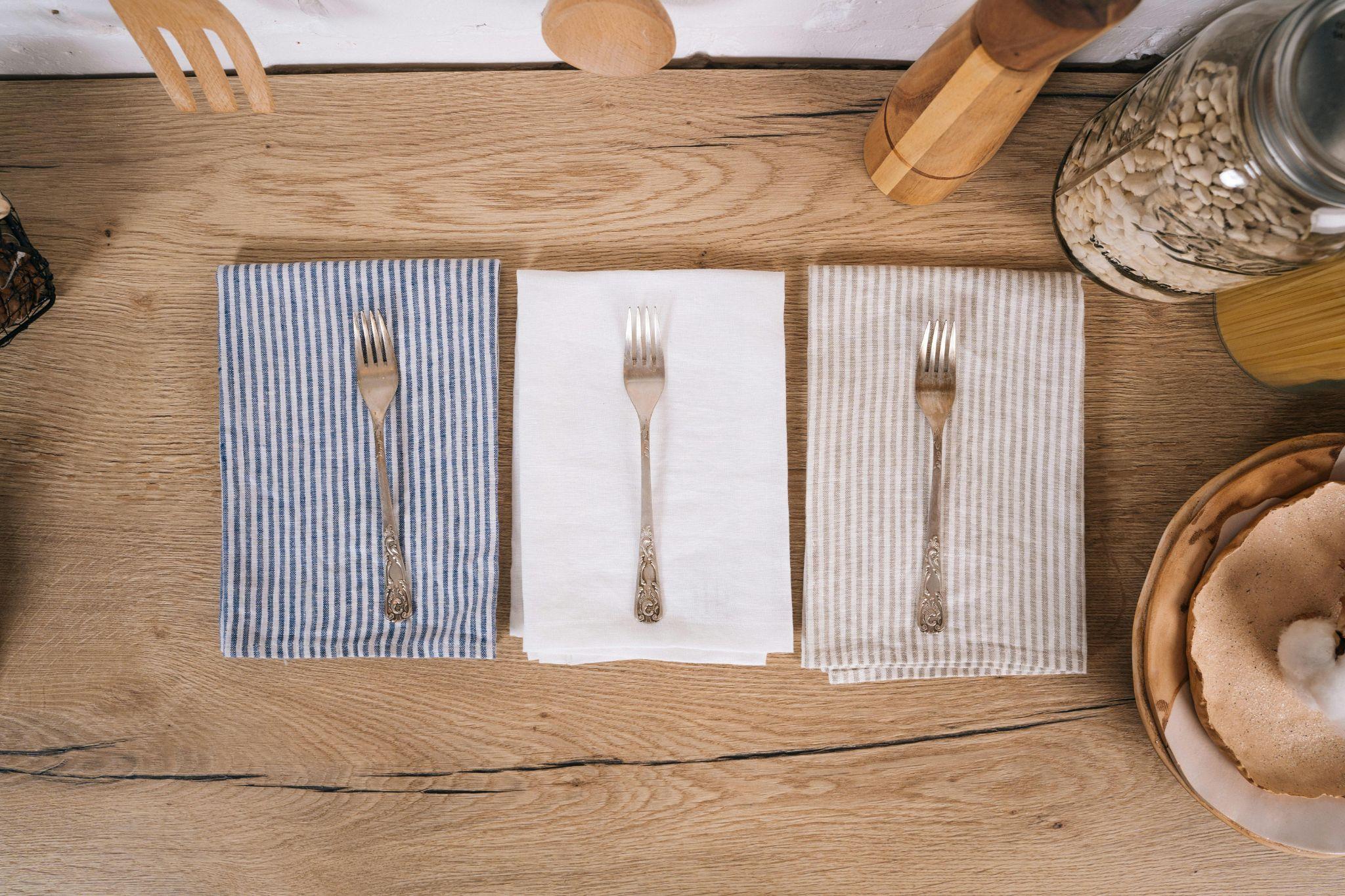
- Linen kitchen towels
- A simple tray for keys or mail
- Matches or a lighter that does not feel disposable
Last-minute gifting fails when it tries to impress. It succeeds when it reduces friction. When uncertainty creeps in, grouping a few simple items together adds clarity. One comfort. One treat. One everyday object. Wrapped well, it reads as thoughtful instead of rushed.
If you have a sense of what they enjoy but feel unsure about committing to a single item, combining a few small favorites into your own gift mix keeps the gesture personal without the pressure. When time or confidence runs short, premade options like gift baskets by MyBaskets offer a balanced alternative that still feels thoughtful and complete.
Creative Gifts That Invite Relaxation and Self-Expression
A new home brings movement, decisions, and constant adjustment. Creative gifts slow that pace. They offer a way to focus inward while the space settles outward. These gifts do not demand perfection. They reward presence.
Paint by numbers sets work well during this phase. They remove guesswork and replace it with calm repetition. Color leads the process. Progress feels visible. Finishing a piece creates a quiet sense of ownership, especially when it earns a spot on a new wall.
Puzzles follow a similar rhythm. They invite patience without pressure. One session might last ten minutes. Another might stretch across an evening. Once finished, they leave no trace, which suits homes still finding balance between open space and personal touches.
Punch needle kits add texture to the experience, with the best punch needle kits offering steady motion and a manageable scale that results in finished pieces bringing warmth through soft surfaces without overwhelming a room that is still taking shape.
These gifts share a common thread. They occupy the hands and free the mind. That makes them especially well suited for fresh starts:
- Paint by numbers for guided focus and visual reward
- Puzzles that encourage slow, pressure-free progress
- Punch needle kits that introduce texture and rhythm
- Embroidery or stitching sets for quiet, repeatable motion
- Adult coloring books for low-commitment creative breaks
Decor Pieces That Help a New Space Feel Like Home
A new space rarely feels complete on day one. Walls stay quiet. Corners feel undecided. Decor steps in to soften that gap. The right pieces do not shout for attention. They settle in and let the home breathe.
Textiles do this work well. A throw draped over a chair signals comfort before furniture ever feels permanent. Cushions add color and texture without committing the room to a single mood. Rugs explain where life happens. They ground the space and absorb the echo that new rooms tend to carry.
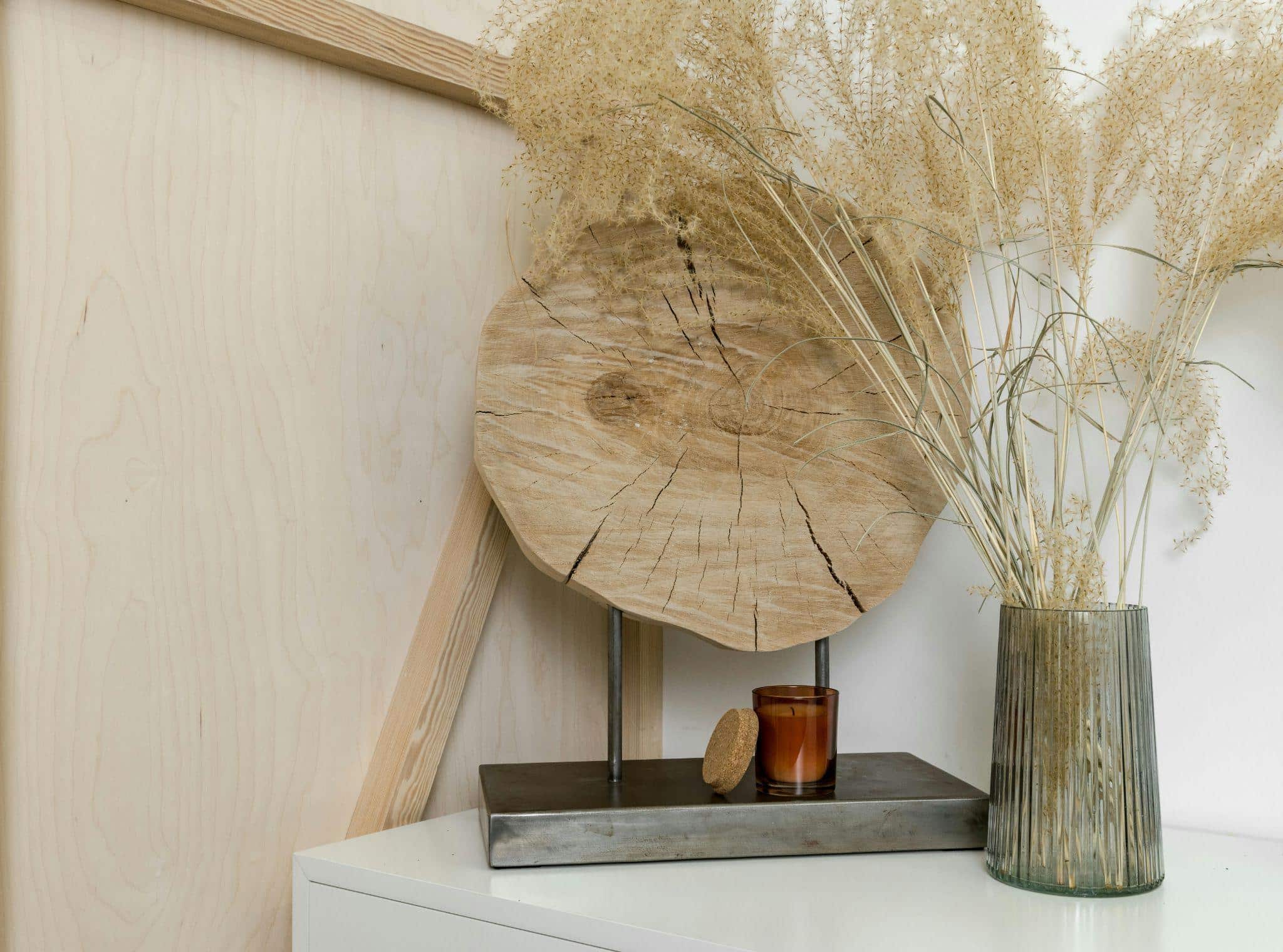
Lighting changes everything. A table lamp with warm light pulls a room inward at night. Candles introduce movement and scent, which adds depth without clutter. Even a simple candle holder can shift the tone of an evening.
Wall decor works best when it leaves room to grow. One framed print. A small mirror that catches light. A shelf holding nothing more than a plant and a book. These choices avoid filling space too fast and allow the home to evolve naturally.
Decor pieces that feel right early on usually share a few traits:
- Neutral tones that adapt as tastes shift
- Materials with texture rather than shine
- Items that can move easily between rooms
- Pieces that serve a purpose as well as a look
Everyday Essentials That Offer Comfort Without Clutter
Every new home needs a few quiet heroes. Items that earn their place through use, not attention. These gifts work because they disappear into daily routines while making life smoother. Comfort without excess always wins.
Kitchen essentials lead the way. A solid set of dish towels that actually dry dishes. A wooden spoon that feels right in the hand. A cutting board that stays out because it gets used daily. These pieces support real moments. Morning coffee. Late dinners. Small pauses between tasks.
Bathroom basics matter just as much. Soft hand towels elevate a space instantly without asking for rearranging. A refillable soap dispenser replaces mismatched bottles and creates calm at the sink. A simple tray keeps everyday items contained instead of scattered. Clean lines bring mental ease.
Storage can feel like a gift when chosen carefully. Not bins meant to hide clutter, but pieces that prevent it from forming. A shallow bowl for keys. A small basket for mail. A hook near the door for bags or scarves. These objects guide habits instead of correcting them.
Everyday comfort often comes down to texture and quality. Materials do the talking:
- Natural fabrics that soften with use
- Wood that adds warmth instead of shine
- Ceramics that feel substantial without being fragile
- Neutral colors that adapt as rooms change
Laundry rooms and entryways deserve attention too. A well-made hamper replaces plastic overflow. A door mat signals arrival and return. Shoe trays save floors and patience.
Essentials succeed when they respect space. They stay visible because they belong. They reduce noise instead of adding to it. The best ones feel obvious after they arrive, as if the home had been waiting for them.
Conclusion
A new home marks movement, change, and momentum. The best gifts meet that energy instead of competing with it. They offer ease. They create calm. They leave room for growth. Thoughtful choices do not rush to define a space or a person.
They support both quietly. When a gift feels useful, comforting, or creatively open, it earns its place without effort. That matters during a beginning. Homes settle over time. So do people. A good gift respects that process and adds something steady along the way.