
The junk drawer is a nearly universal feature of the modern household that serves as a physical manifestation of our inner lives. It is a place where we deposit the small items that do not have a clearly defined home. This small space represents a microcosm of our internal resistance to order and our desire to defer difficult choices for another day. It is where logic goes to hide from the demands of a busy lifestyle.
We often feel a sense of guilt when we look at the tangled mess of rubber bands, dead batteries, and loose change. This visual noise creates a subtle undercurrent of stress that follows us throughout our daily routines in the house. The chaos suggests that we are not fully in control of our environment or our schedule. It is a persistent reminder of unfinished tasks and minor decisions left pending.
Finding a way to overcome this resistance requires more than just a garbage bag and a few minutes of spare time. It demands a shift in perspective toward how we manage our physical boundaries and our mental energy. Achieving lasting relief from domestic clutter is often possible through the structured and aesthetic approach of experts like NewSpace home organization.
The Mental Trap of Future Scarcity
The “just in case” mentality is a powerful psychological force that keeps us tethered to objects we no longer need. We hold onto a spare charging cable for a device we threw away years ago because we fear a future moment of scarcity. This irrational worry suggests that we might one day regret discarding a useless item. It is a survival instinct that has been misapplied to the modern world of abundance.
Accumulating these items provides a false sense of security that protects us from the uncertainty of tomorrow. We tell ourselves that being prepared means keeping every scrap of paper and every broken tool just in case they might be useful. This behavior turns our living spaces into warehouses for hypothetical scenarios that will likely never happen. The weight of these objects eventually becomes a burden that prevents us from moving forward.
Breaking free from this scarcity mindset requires a commitment to trusting the present moment and the resources we already have. We must learn to distinguish between genuine utility and the fear of a missing item. By releasing the things we are keeping for a rainy day, we create room for the things we actually use. This mental shift is the foundation of a truly organized and peaceful home environment today.
Emotional Attachment to Transitionary Objects
We often struggle to discard items that represent past versions of ourselves or our previous life stages. These transitionary objects carry an emotional weight that makes them feel like part of our actual identity. A ticket stub or a worn out shirt acts as a physical anchor to a memory that we are afraid to lose. We confuse the object with the experience it represents in our minds.
This attachment makes the process of decluttering feel like a loss of personal history or a rejection of our younger selves. We keep old hobbies and unused equipment because they represent a dream we are not yet ready to abandon. Letting go feels like an admission that a certain chapter of our lives has finally come to an end. It is an emotional struggle that requires significant internal work and self reflection.
Recognizing that memories exist within our hearts rather than within our drawers is the key to moving on. We can honor our past without allowing it to clutter our present living situation. By choosing to keep only the most meaningful items, we give them the space and respect they truly deserve. This process allows us to step into the future without being weighed down by the debris of the past.
Decision Fatigue and Clutter Paralysis
Decision fatigue is a modern phenomenon where the sheer number of small choices we make every day drains our mental energy. By the time we get home, the thought of deciding where a single paperclip belongs feels like a monumental task. This leads to clutter paralysis, where we simply drop items on the nearest flat surface. The junk drawer is the ultimate destination for these deferred decisions.
Clutter accumulates in common areas because we lack the cognitive resources to process each item as it enters the house. We tell ourselves we will deal with the mail or the loose keys later when we are feeling more refreshed. However, the pile only grows larger, making the eventual cleanup feel even more intimidating. It becomes a cycle of avoidance and mounting anxiety that impacts our overall quality of life.
Creating a system where every item has a pre-determined home reduces the need for constant decision making. When the path of least resistance leads to an organized space, the house stays tidy without much extra effort. This approach protects our mental energy for the things that truly matter in our careers and our families. Simplifying the environment is the best way to combat the effects of a busy and tiring day.
Cognitive Benefits of Visual Clarity
Clear surfaces provide a significant cognitive benefit by reducing the amount of visual noise that the brain must process. Every object in our field of vision demands a small amount of attention and neural energy to identify and ignore. When a room is cluttered, the mind is constantly distracted by the chaos surrounding it. This leads to higher levels of cortisol and a persistent feeling of being overwhelmed.
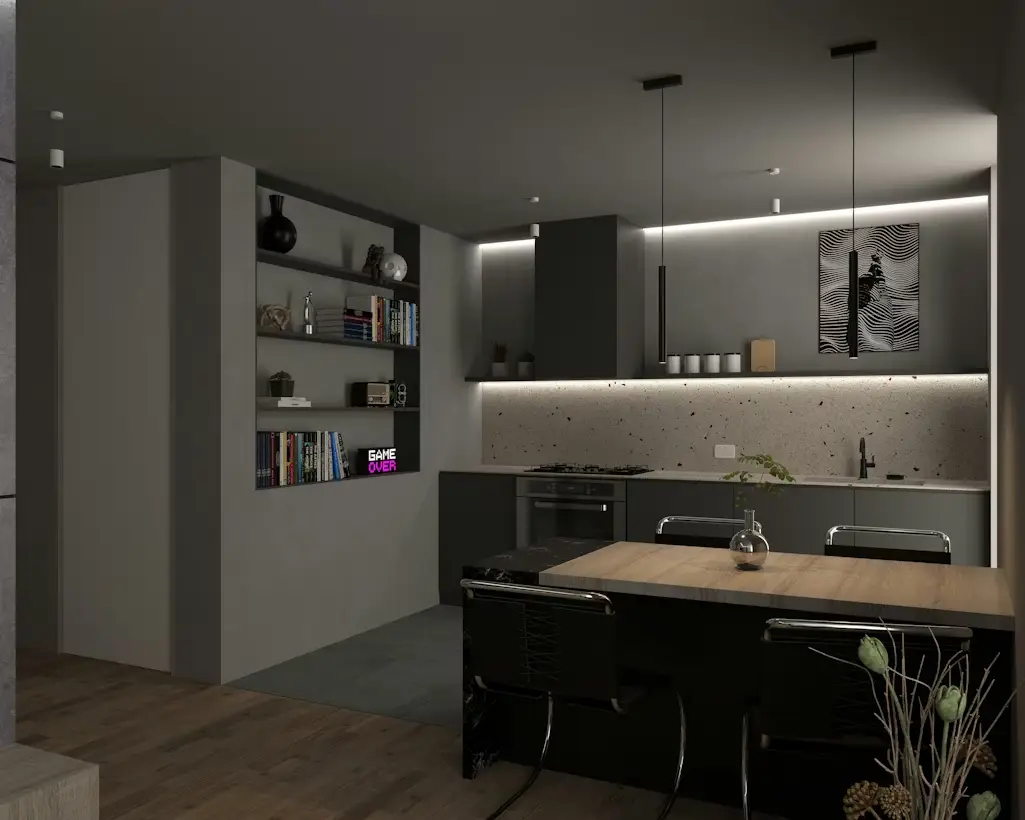
Reducing this visual noise directly impacts our daily stress levels and our ability to maintain mental clarity. A clean desk or a tidy kitchen counter allows the brain to focus on the task at hand without being interrupted by a mess. It creates a sense of calm and order that facilitates creative thinking and efficient problem solving. The physical environment serves as an external reflection of our internal state of mind.
Investing in a clean and minimal aesthetic is a form of self care that pays dividends in terms of mental health. It is about creating a sanctuary where we can relax and recharge away from the demands of the world. By prioritizing clear surfaces, we give ourselves the permission to be still and focused. A well managed home is the primary tool for maintaining a healthy and balanced life today.
Journey Toward Intentional Living Habits
The journey from chaotic storage to intentional living is a process of changing our habits and our relationship with our things. It is not a one time event but a daily commitment to maintaining the boundaries of our personal space. We must learn to be the gatekeepers of our homes, carefully choosing what we allow to stay. This intentionality leads to a deeper sense of satisfaction and pride.
Maintaining a clutter free environment requires a set of long term habits that prevent the junk drawer from returning. This includes the practice of putting things away immediately and regularly reviewing our belongings for utility. Small actions taken consistently are far more effective than massive cleanup efforts once a year. It is about building a lifestyle that values quality and order over quantity and distraction.
Ultimately, an organized home provides the freedom to pursue our goals and our passions with a clear heart and mind. By mastering the chaos of the junk drawer, we prove to ourselves that we are capable of growth and change. The relief found in a tidy space is a powerful motivator for staying on the path of intentional living. A focused environment is the foundation for a much happier and more productive future today.