
In recent years, the home has taken on a much deeper meaning. It’s no longer just a place to sleep, eat, and store belongings — it has become a sanctuary, a workspace, a wellness hub, and a social retreat all at once. As external routines grow more demanding and digital noise becomes constant, many people are intentionally carving out personal ritual spaces within their homes.
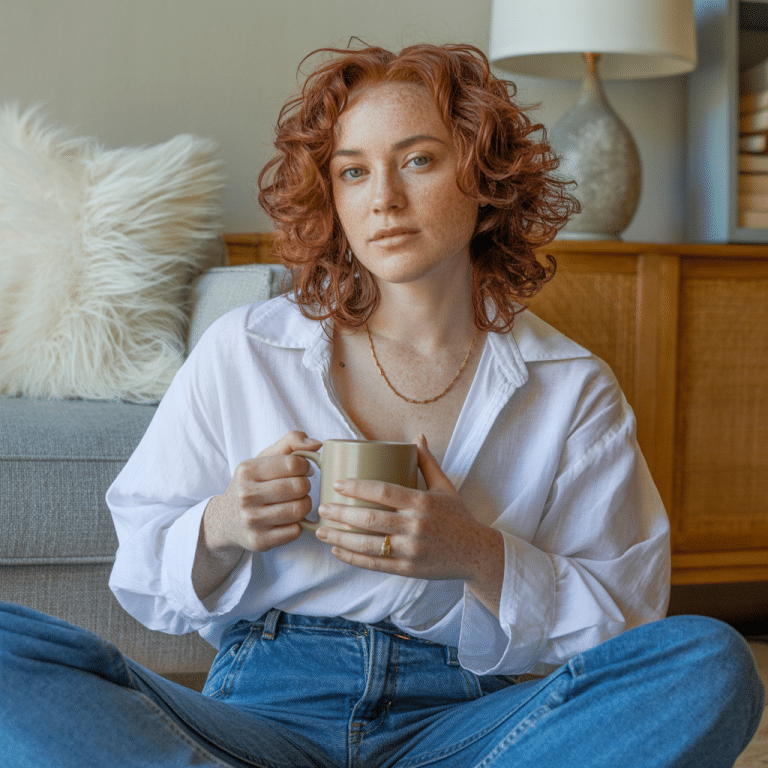
These spaces aren’t defined by size or budget. Instead, they’re shaped by intention. Whether it’s a cozy corner for morning coffee, an evening wind-down setup, or a social lounge area for connection, personal ritual spaces reflect a growing desire for presence, comfort, and atmosphere.
The Shift Toward Intentional Living At Home
Lifestyle trends are increasingly centered around intentionality. People want their environments to support how they feel, not just how they live. This shift has fueled interest in mindfulness, slow living, and wellness — all of which begin at home.
Personal ritual spaces serve as anchors in daily routines. They help separate work from rest, stimulation from calm, and obligation from choice. Even small changes, like dedicated lighting or a specific seating arrangement, can signal to the brain that it’s time to unwind.
This shift isn’t about luxury. It’s about control — reclaiming moments of calm in an otherwise fast-paced world.
Why Atmosphere Plays A Bigger Role Than Ever
Atmosphere is the invisible layer that ties a space together. It’s the combination of lighting, scent, texture, sound, and rhythm that determines how a room feels.
As people spend more time at home, they’re becoming more aware of how their surroundings impact mood, focus, and relaxation. Harsh lighting, cluttered layouts, or overstimulating décor can create tension — even if it’s subtle.
In contrast, atmospheric choices like warm lighting, soft materials, curated sound, and intentional accessories encourage the nervous system to slow down. These elements don’t just decorate a space; they influence how time is experienced within it.
The Connection Between Ritual And Wellness
Rituals provide structure without rigidity. They’re personal, repeatable actions that bring comfort and familiarity. When paired with a dedicated space, rituals become grounding practices rather than habits performed on autopilot.
Wellness isn’t always about productivity or optimization. Sometimes, it’s about creating moments that feel meaningful. Evening rituals, in particular, are gaining popularity as people look for ways to decompress without screens or constant stimulation.
A ritual space might support journaling, music listening, social connection, or quiet reflection. The key is that the space invites the behavior — rather than requiring effort to initiate it.
Design Choices That Encourage Presence
Designing a ritual space isn’t about trends; it’s about responsiveness. The best spaces respond to how you want to feel.
Some foundational design elements include:
- Layered lighting to avoid harsh overhead glare
- Comfortable seating that encourages lingering
- Natural materials that feel grounding
- Clear surfaces that reduce visual noise
Color palettes also matter. Muted tones and warm neutrals tend to promote calm, while deeper hues can create intimacy and focus. The goal is cohesion — not perfection.
Social Rituals And The Return Of At-Home Connection
Personal ritual spaces aren’t always solitary. Many are designed for shared experiences — conversation, laughter, and connection. As social habits evolve, hosting at home has become more relaxed and experiential.
Rather than formal entertaining, people are gravitating toward lounge-style environments where guests feel comfortable staying awhile. Music, low lighting, and sensory elements create an atmosphere that feels intentional but effortless.
In these spaces, lifestyle accessories often play a role in shaping the experience. Items associated with relaxation or social ritual — whether it’s tea, candles, or hookah culture — are chosen not for novelty, but for how they contribute to mood and connection. Brands like BlakkSmoke reflect this shift by positioning hookah pens as part of a modern, personal experience rather than a loud centerpiece.
Hookah Culture And Modern Ritual Spaces
Hookah culture has evolved significantly over time. Once associated primarily with social venues, it has found a place in personal home settings where ambiance and intention matter more than scale.
In modern ritual spaces, hookah-related accessories are often treated like other lifestyle elements — thoughtfully integrated rather than showcased. The emphasis is on atmosphere: how the experience complements music, conversation, and environment.
This evolution mirrors broader lifestyle trends. People want experiences that feel curated, calming, and personal — not performative. When integrated with intention, hookah culture becomes less about excess and more about ritual and presence.
Small Details That Make A Big Impact
The success of a ritual space often comes down to details. Scent, texture, and sound quietly influence how a space is perceived.
- Scent can trigger relaxation or nostalgia
- Textiles add comfort and warmth
- Soundscapes help mask noise and create flow
Even the way items are stored or displayed matters. Open space signals ease, while overcrowding can create subconscious stress. Choosing fewer, more meaningful objects often has a greater impact than filling every corner.
Making Space For Slowness In A Fast World
One of the most powerful aspects of a personal ritual space is what it allows: slowness. In a culture that prioritizes speed and output, spaces designed for pause feel almost radical.
These spaces encourage us to linger — to finish a conversation, sit with a thought, or enjoy a moment without distraction. Over time, they become associated with calm and restoration, making it easier to return to those states.
This is why atmosphere matters so much. It’s not decorative; it’s functional. It supports emotional regulation, connection, and self-awareness.
Designing A Ritual Space That Evolves With You
Personal ritual spaces aren’t static. As routines shift and seasons change, these spaces should evolve too. What matters most is that they continue to serve your needs — not someone else’s aesthetic.
Whether it’s a dedicated corner or a flexible setup, the rise of ritual spaces reflects a deeper lifestyle shift: choosing environments that support how we want to feel, not just how we want to look.
In the end, atmosphere isn’t a luxury. It’s a tool — one that helps transform everyday moments into meaningful experiences, right at home.