Introduction
Pressure washing is more than just a powerful stream of water blasting away dirt—it is a carefully balanced process that combines physics, chemistry, and technique to achieve optimal results. Whether used for residential properties, commercial buildings, or industrial surfaces, pressure washing plays a vital role in maintaining structural integrity, enhancing curb appeal, and prolonging material lifespan. Understanding how it works and how to apply it correctly can significantly improve cleaning outcomes while minimizing damage.
Understanding Surface-Specific Cleaning Dynamics
Every surface responds differently to pressure washing, making it essential to adapt methods based on material composition and condition. For professionals in an exterior cleaning business, recognizing these differences is fundamental to delivering safe and effective results.
Concrete, for instance, is highly durable but porous, allowing dirt and organic matter to embed deeply. It often requires higher pressure combined with specialized detergents. Wood, on the other hand, is softer and more susceptible to damage, requiring lower pressure and a wider spray angle to avoid splintering. Vinyl siding sits somewhere in between, needing moderate pressure but careful attention to avoid forcing water behind panels.
Temperature also influences cleaning effectiveness. Warm water can break down grease and organic residues more efficiently than cold water, while environmental conditions such as humidity and sunlight can impact drying times and streak formation.
The Role of Water Pressure, Flow Rate, and Nozzle Selection
Pressure washing effectiveness depends on three core variables: pressure (PSI), flow rate (GPM), and nozzle configuration. These factors work together to determine cleaning power.
Pressure (PSI) dictates the force of the water stream, while flow rate (GPM) determines how much water is used to carry away debris. A higher PSI may remove stubborn stains, but without sufficient flow rate, debris may not be effectively rinsed away. Conversely, a high flow rate with low pressure can be ideal for rinsing delicate surfaces.
Nozzle selection further refines the process. Narrow-angle nozzles concentrate force into a small area, making them suitable for tough stains, whereas wide-angle nozzles distribute pressure more gently across surfaces. Choosing the right combination ensures efficient cleaning while preventing unnecessary wear.
Chemical Integration and Pre-Treatment Techniques
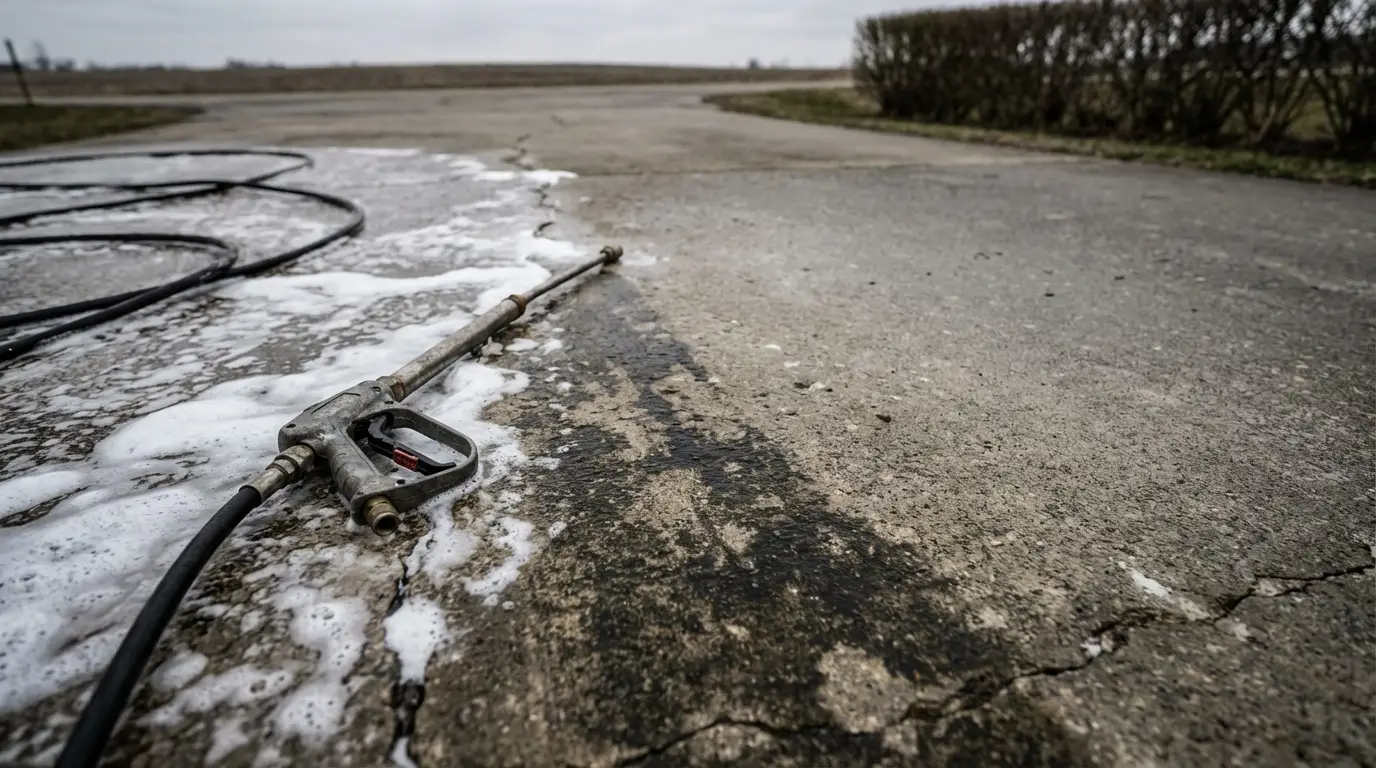
While water pressure alone can remove loose debris, many cleaning tasks require chemical assistance. Detergents and cleaning agents are specifically formulated to break down contaminants such as mold, mildew, oil, and algae.
Pre-treatment is a critical step often overlooked. Applying a cleaning solution before pressure washing allows chemicals to penetrate and loosen dirt, reducing the need for excessive pressure. This approach not only enhances cleaning effectiveness but also protects surfaces from damage.
The choice of chemical depends on the type of stain and surface material. For example, alkaline cleaners are effective against organic matter, while acidic solutions are better suited for mineral deposits. Proper dilution and application techniques are essential to avoid discoloration or environmental harm.
Environmental Considerations and Water Management
Pressure washing has environmental implications that must be carefully managed. Runoff water can carry chemicals, dirt, and debris into drainage systems, potentially impacting local ecosystems.
Responsible practices include using biodegradable detergents, controlling runoff, and complying with local regulations regarding wastewater disposal. In some cases, containment systems or recovery units are used to collect and filter water before it is released.
Water conservation is another important factor. Modern pressure washing equipment is designed to maximize efficiency, using less water while maintaining high cleaning performance. By optimizing pressure and flow rate, operators can achieve better results with minimal resource consumption.
Equipment Maintenance and Operational Efficiency
The performance of pressure washing equipment depends heavily on proper maintenance. Pumps, hoses, nozzles, and engines must be regularly inspected and serviced to ensure consistent operation.
Clogged nozzles can disrupt spray patterns, reducing efficiency and increasing the risk of uneven cleaning. Worn seals and fittings may lead to pressure loss or leaks, while neglected pumps can suffer from reduced lifespan.
Routine maintenance not only improves cleaning results but also enhances safety. Faulty equipment can pose risks to operators and surrounding property, making preventative care an essential aspect of any pressure washing operation.
Advanced Techniques for Precision Cleaning
As pressure washing evolves, advanced techniques are being developed to address complex cleaning challenges. Soft washing, for example, uses low pressure combined with specialized cleaning solutions to safely clean delicate surfaces such as roofs and painted exteriors.
Surface cleaners are another innovation, providing consistent, even cleaning across large flat areas like driveways and parking lots. These tools reduce streaking and improve efficiency by maintaining a uniform distance from the surface.
Additionally, hot water pressure washing systems are increasingly used in industrial settings, where grease and heavy contaminants require higher temperatures for effective removal. These advancements demonstrate how the field continues to adapt to diverse cleaning needs.
Conclusion
Pressure washing is a sophisticated process that extends far beyond basic cleaning. By understanding surface dynamics, optimizing equipment settings, integrating appropriate chemicals, and adopting environmentally responsible practices, professionals can achieve superior results while preserving the integrity of the surfaces they clean. For those operating within an exterior cleaning business, mastering these principles is essential for delivering consistent, high-quality service and maintaining long-term client satisfaction.