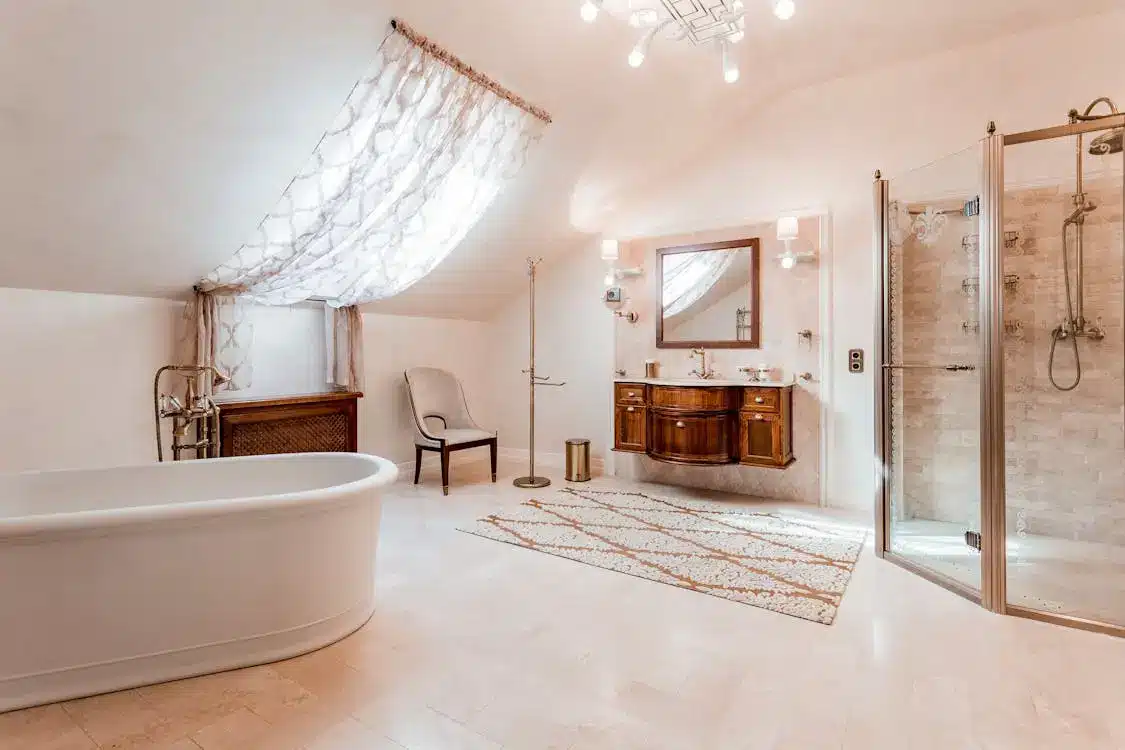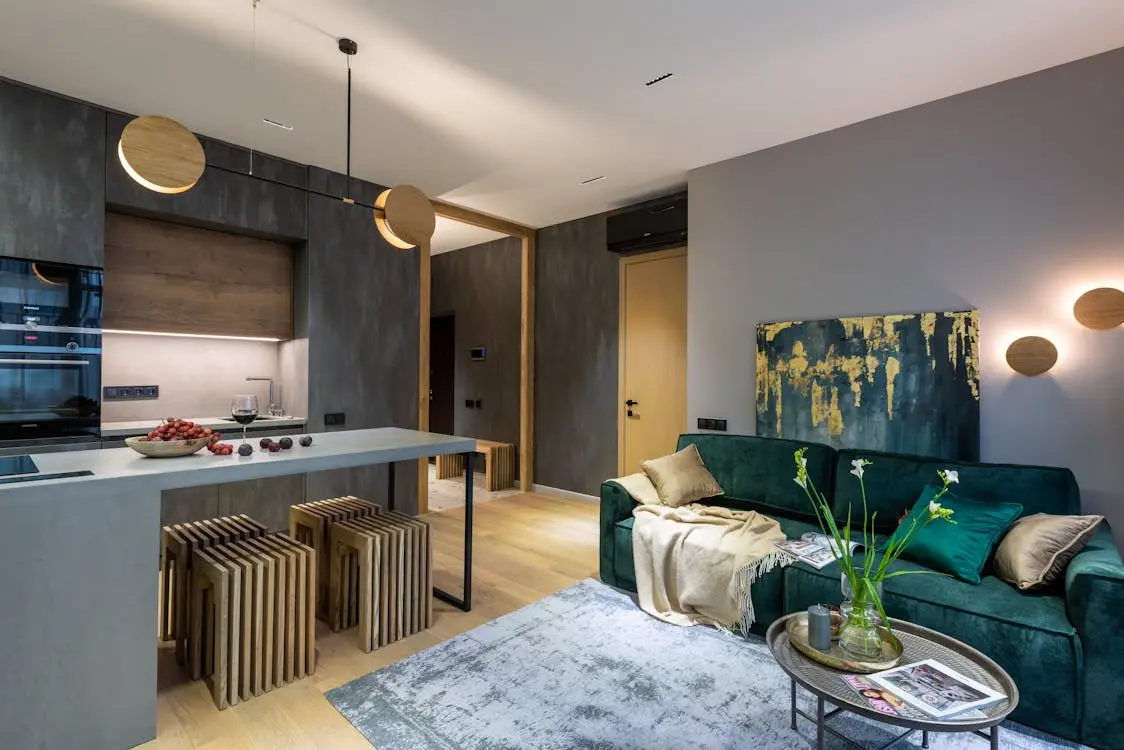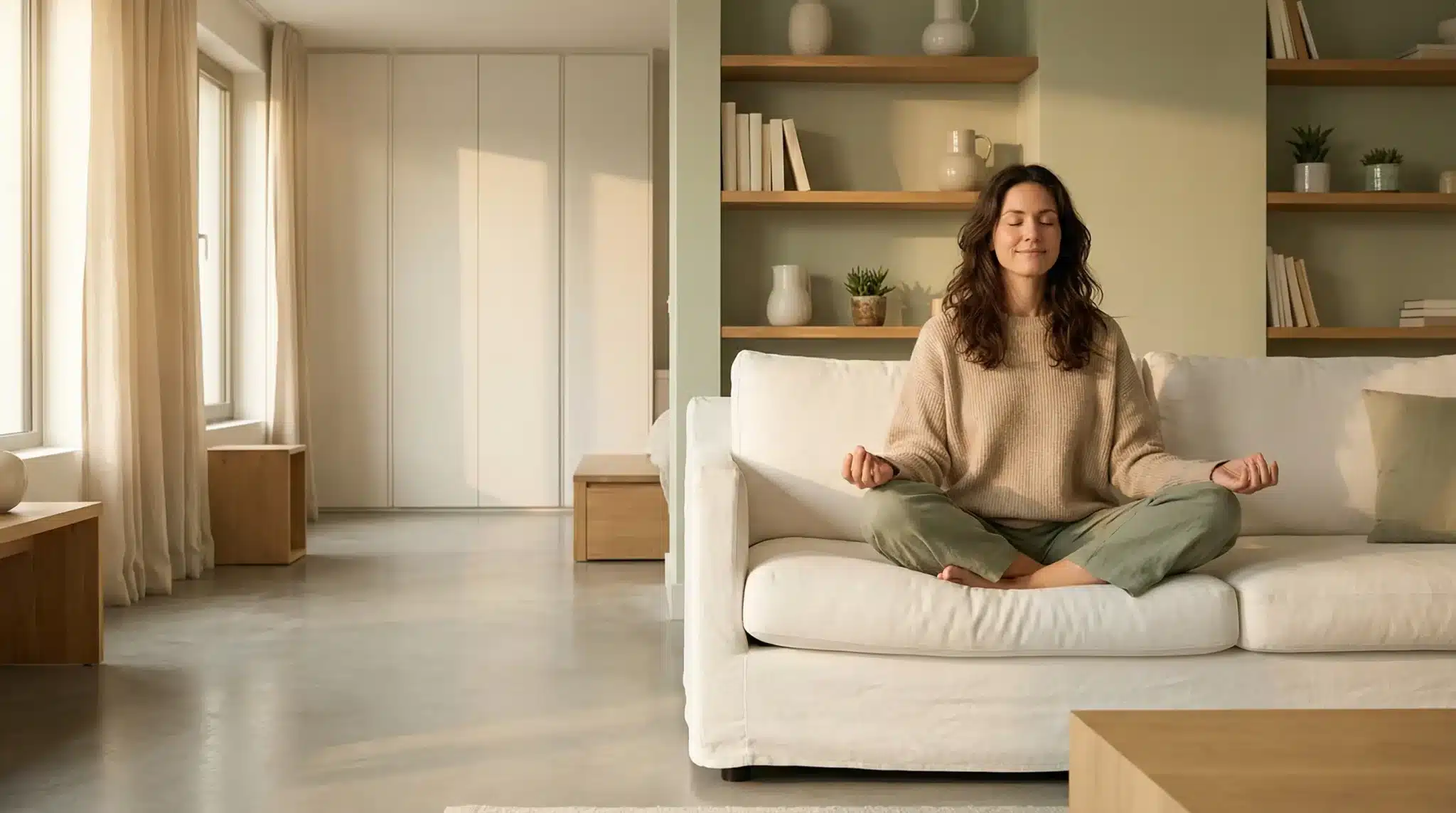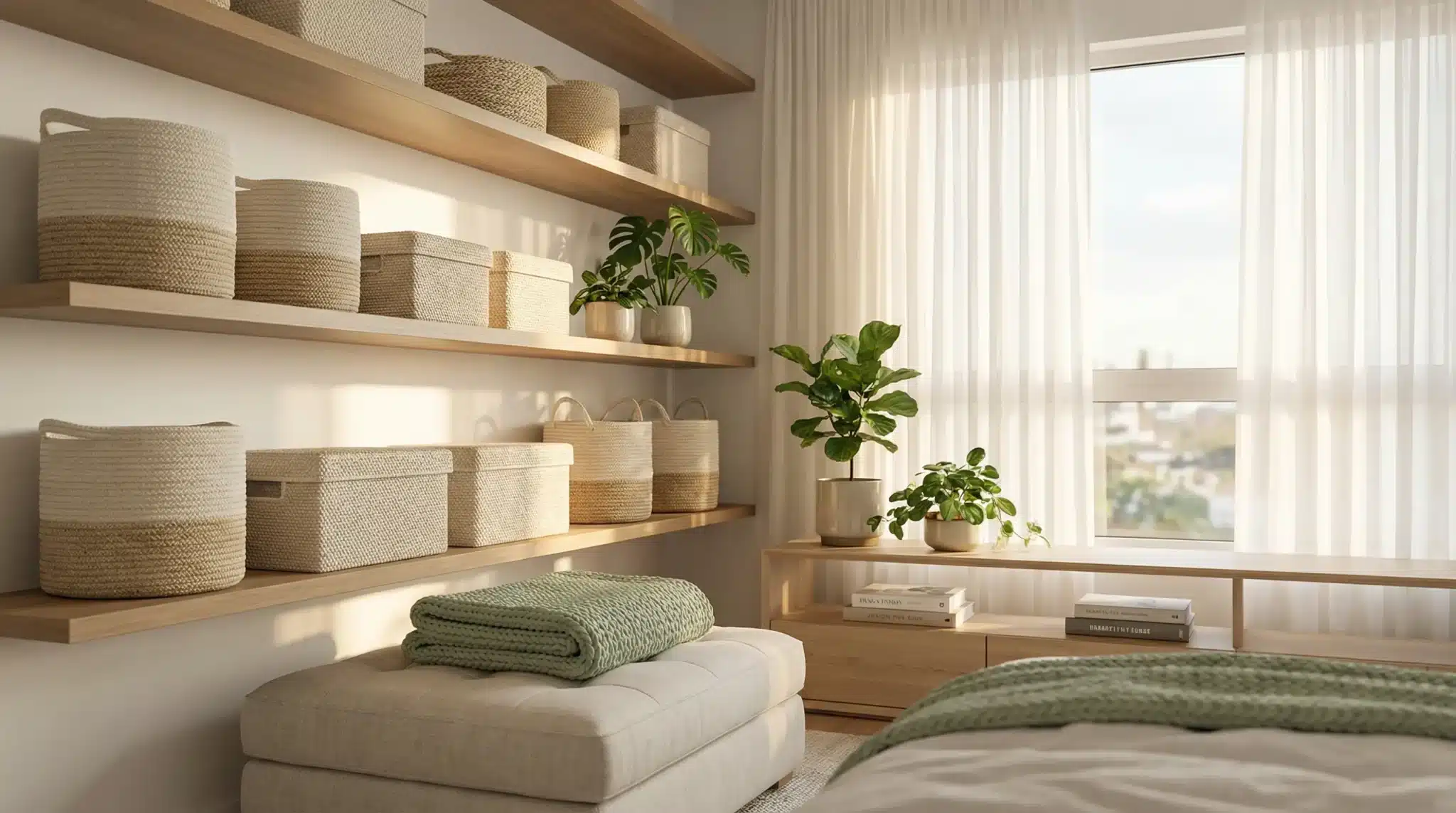

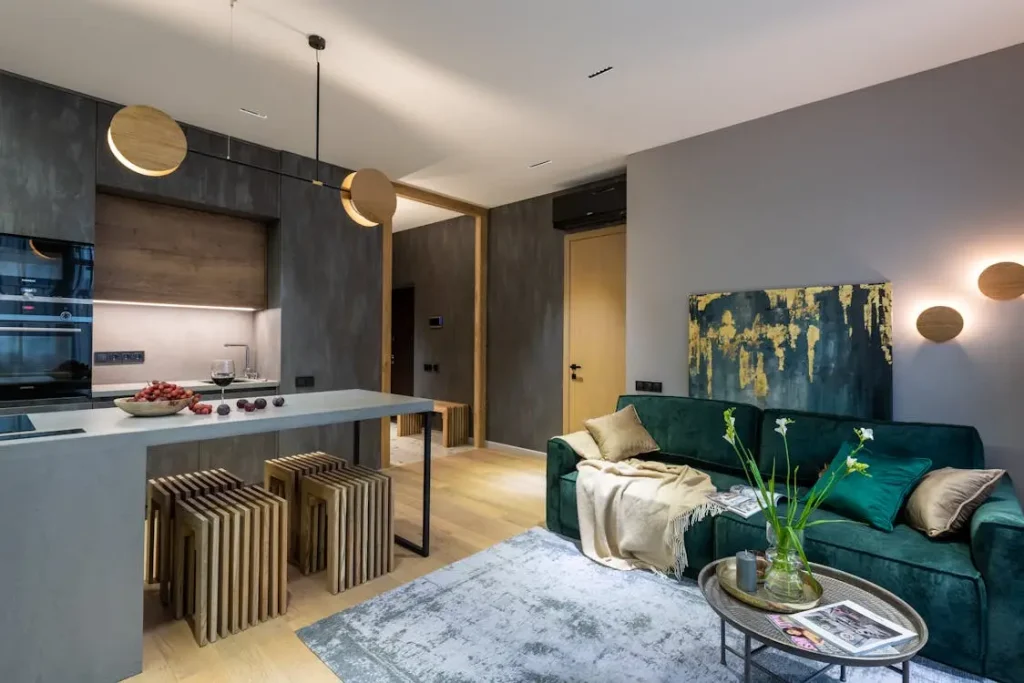
A cohesive interior design style does not happen by accident. It grows from clear choices, consistent details, and an understanding of how space, light, and function interact. In a city like Denver, shifting seasons, bright sunlight, and mountain views shape how interiors feel and perform. Homes here often balance warmth with openness, blending natural textures with modern lines. Strong design decisions help every room connect without feeling repetitive. This guide breaks down practical steps that create harmony across a home, while still allowing personality to shine through in every corner.
1. Define a Clear Design Vision
Every cohesive space starts with a strong vision. A clear direction helps avoid mismatched elements and random purchases. Start by identifying preferred styles, such as modern, rustic, or transitional. Look at materials, colors, and shapes that repeat across those styles. Create a mood board with textures, finishes, and furniture examples. This visual reference keeps decisions consistent throughout the process. Think about how each room should feel and function. A calm bedroom requires different choices than an energetic living area. When a clear vision guides every decision, the entire home begins to feel intentional and connected.
2. Consider Local Climate and Architecture
Local conditions in Denver shape design choices more than most people realize. Climate, light, and architectural styles influence materials, layouts, and finishes. In regions with strong sunlight and changing weather, window placement and treatments play a major role in comfort and efficiency. Working with a trusted Denver window contractor helps align design with both aesthetics and performance. Large windows invite natural light, but they also require thoughtful layering with shades or drapery. Regional architecture often favors natural materials like wood and stone. When design decisions respond to surroundings, spaces feel grounded, practical, and visually cohesive without forcing trends that clash with the environment.
3. Build a Consistent Color Palette
A unified color palette ties every room together. Start with a base of two or three neutral tones that appear across walls, flooring, or large furniture pieces. Add one or two accent colors for depth and contrast. Repetition creates flow, so carry these colors through different rooms in subtle ways. For example, a shade used in the living room rug can reappear in bedroom textiles. Avoid introducing too many competing hues, as that breaks visual harmony. Balance warm and cool tones carefully. A consistent palette allows each room to feel distinct while still connecting seamlessly to the rest of the home.
4. Choose Materials with Intention
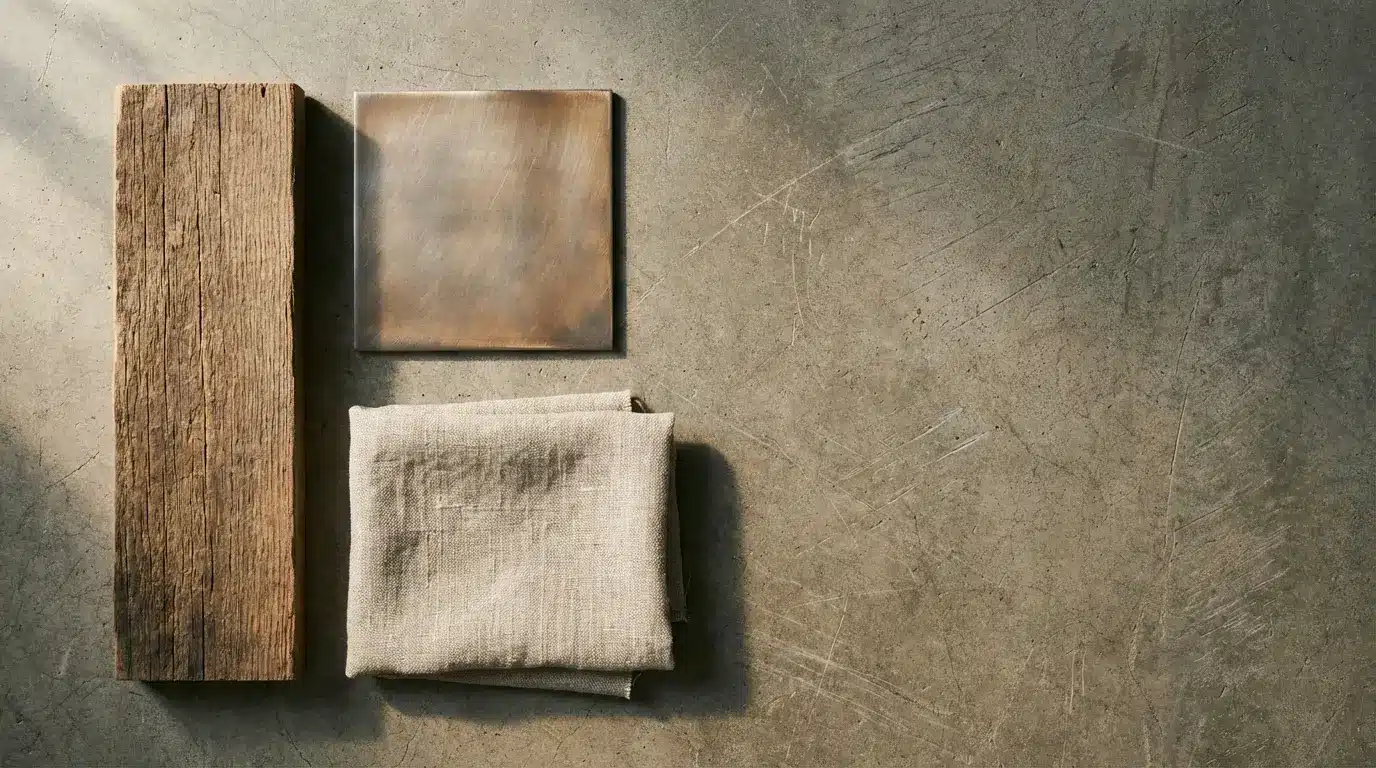
Materials define the character of a space. Wood, metal, glass, and fabric each create a different mood. A cohesive design repeats key materials throughout the home in varied applications. For example, the same wood tone can appear in flooring, furniture, and decorative accents. Mixing materials works well when balanced. Pair soft textiles with harder surfaces to create contrast. Avoid introducing too many unrelated finishes, as that creates visual clutter. Durable, high-quality materials also improve longevity. Thoughtful material choices ensure that every room feels connected while still offering subtle variation and texture.
5. Maintain Balance in Furniture Selection
Furniture sets the tone for each room, but consistency matters across the entire home. Choose pieces that share similar shapes, proportions, or finishes. For example, clean lines work well across modern interiors, while curved silhouettes suit softer styles. Avoid mixing drastically different furniture styles unless a clear design plan supports that contrast. Scale also plays a key role. Oversized furniture can overwhelm smaller rooms, while undersized pieces feel disconnected. Keep spacing consistent to maintain flow between areas. When furniture choices align with the overall vision, each room feels purposeful and visually balanced.
6. Layer Lighting Thoughtfully
Lighting shapes how a space looks and feels. A cohesive design includes multiple layers of lighting that serve different purposes. Combine ambient lighting for general illumination, task lighting for specific activities, and accent lighting to highlight features. Repeat similar fixture styles or finishes across rooms to maintain consistency. For example, brushed metal or matte black finishes can unify different areas. Pay attention to light temperature, as it affects mood. Warm light creates comfort, while cooler tones feel more modern. Thoughtful lighting choices enhance design elements and create a seamless visual experience throughout the home.
7. Use Textures to Add Depth
Texture brings life to a space without disrupting cohesion. Combining smooth, rough, soft, and structured surfaces creates visual interest. For example, pair a sleek coffee table with a woven rug or linen upholstery. Keep textures consistent with the overall style. Rustic interiors benefit from natural, raw materials, while modern spaces lean toward refined finishes. Layering textures prevents rooms from feeling flat or overly polished. Avoid overloading a space with too many competing elements. A balanced mix of textures enhances comfort and style while maintaining a unified design language across different rooms.
8. Incorporate Meaningful Decor
Decor adds personality, but it should support the overall design. Choose items that reflect personal taste while aligning with the chosen style. Artwork, books, and accessories should share a common theme or color scheme. Group similar items together to create visual structure. Avoid scattering unrelated pieces throughout the space. Scale and placement matter as well. Large statement pieces can anchor a room, while smaller accents add detail. Rotate decor seasonally to keep spaces fresh without changing the core design. Thoughtful decor choices help maintain cohesion while still allowing individuality to come through.
9. Create Flow Between Spaces
A cohesive home feels connected from one room to another. Visual flow depends on consistency in color, materials, and layout. Open floor plans benefit from defined zones that still share common elements. Use rugs, lighting, or furniture placement to create subtle transitions. Hallways and entryways should reflect the same design language used in the main living areas. Avoid abrupt changes in style that disrupt continuity. Even small details, such as matching hardware or trim finishes, contribute to a unified look. When spaces connect naturally, the entire home feels more harmonious and thoughtfully designed.
A cohesive interior design style grows from clear decisions, consistency, and attention to detail. Every element, from color and materials to lighting and decor, plays a role in creating harmony. Strong planning ensures that each room connects naturally without losing its unique purpose. Thoughtful adjustments over time keep the design relevant and functional. When all parts work together, a home feels complete, comfortable, and visually balanced.