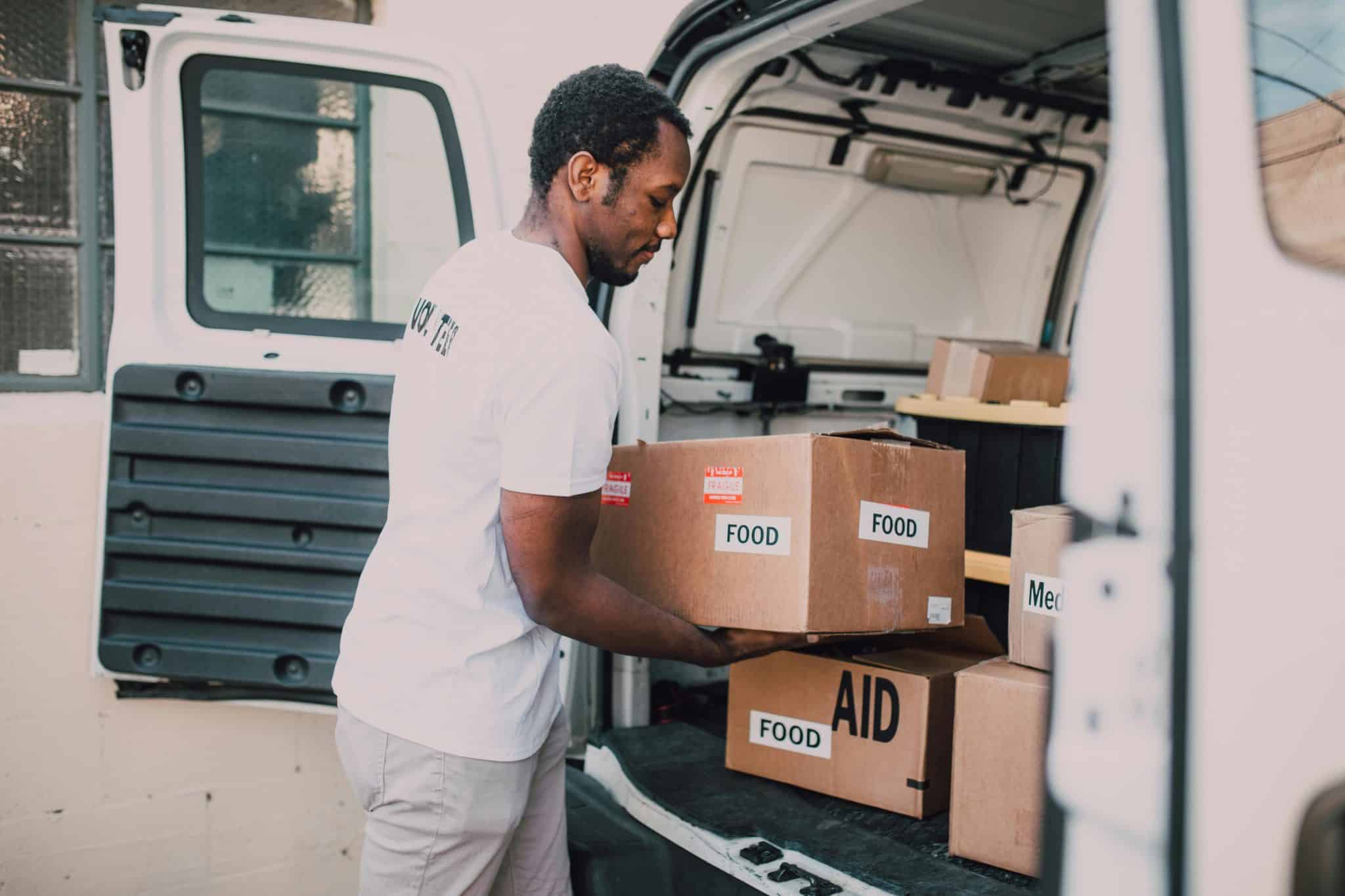

When disasters strike, the impact on communities can be immediate and overwhelming. Families may lose their homes, access to food and clean water may become limited, and entire neighborhoods can be left struggling to recover. In these moments, relief organizations play a critical role in helping affected communities stabilize and rebuild.
Around the world, humanitarian groups respond to emergencies every day. These responses include providing safe shelter, meals, emotional support, and other essential resources to people facing difficult circumstances. While disasters themselves may feel unpredictable, the ability to support relief efforts is something individuals and communities can actively choose to do.
Whether through donations or spreading awareness, supporting relief initiatives helps ensure that assistance reaches those who need it most. That being said, below are several reasons how supporting relief efforts can make a meaningful difference during times of crisis.
1. Financial Contributions Help Deliver Immediate Relief
When a crisis hits, one thing becomes very clear — relief efforts depend heavily on timely financial support. Behind every emergency shelter, food distribution point, or medical aid effort, there are resources that need to be mobilized quickly.
Monetary contributions play a crucial role in making this possible. They allow relief organizations to respond without delay, purchase essential supplies, and allocate resources where they are needed most. Unlike physical donations, financial support offers flexibility, enabling faster and more efficient decision-making during emergencies.
That’s why many individuals choose to donate to the disaster relief services, as these contributions directly help fund critical services during the most urgent moments of a crisis. Organizations like The American National Red Cross play a key role in utilizing these funds effectively—providing shelter, meals, medical assistance, and other essential resources to affected communities.
In many cases, even small donations can have a meaningful impact. When combined, these contributions help build a strong and responsive support system that can act quickly when disaster strikes.
2. Relief Support Helps Communities Recover Faster
The immediate response to a disaster is only the first step. Once the initial emergency passes, communities often face a long road toward recovery. Homes may need repairs, infrastructure may be damaged, and families may require assistance getting back on their feet.
Relief organizations often continue supporting communities long after the headlines fade. This recovery phase may involve:
- Providing financial assistance for rebuilding homes.
- Offering counseling services for emotional recovery.
- Helping communities restore essential services.
- Supporting long-term rebuilding initiatives.
Disaster recovery programs help ensure that affected individuals are not left to navigate the aftermath alone. Continued support allows communities to rebuild more quickly and regain stability. By contributing to these programs, individuals help extend the impact of humanitarian work beyond the initial emergency response.
3. Preparedness and Education Reduce Future Risk
Another important aspect of disaster relief efforts is preparedness. Many organizations focus not only on responding to disasters but also on helping communities prepare for potential emergencies before they happen.
Preparedness programs often include training, safety education, and public awareness campaigns. These initiatives help individuals understand how to respond during emergencies and how to reduce risks in their homes and communities.
Common preparedness efforts may include:
- Teaching emergency first-aid and safety skills.
- Providing disaster preparedness resources for households.
- Training volunteers in emergency response procedures.
- Helping communities develop evacuation or safety plans.
When communities are better prepared, they can often respond more effectively during crises, reducing injuries and minimizing damage. Supporting relief initiatives, therefore, contributes not only to immediate aid but also to long-term disaster resilience.
4. Humanitarian Support Builds Stronger Communities
Perhaps the most powerful aspect of relief efforts is the sense of unity they create. During disasters, people often come together to help neighbors, support local responders, and assist those in need.
Humanitarian organizations help coordinate these efforts so that assistance reaches the right places quickly and efficiently. They work alongside local governments, community groups, and volunteers to ensure resources are distributed where they are most needed.
This collaboration highlights an important truth: disaster response is not only about emergency logistics—it is also about compassion. When individuals contribute to relief efforts, they become part of a network of people committed to helping others during difficult times. Even small contributions can collectively make a significant difference.
Final Thoughts
Crises can occur unexpectedly, affecting communities across the world in ways that are difficult to predict. From natural disasters to local emergencies, these events often leave individuals and families facing immediate challenges and long-term recovery needs.
Relief organizations play a vital role in helping communities navigate these difficult moments. Through emergency response, long-term recovery programs, preparedness education, and volunteer coordination, they provide the support that many people rely on during times of crisis.
In the end, making a difference during a crisis does not always require extraordinary actions. Sometimes, it simply begins with choosing to support the organizations working tirelessly to help others rebuild and recover.