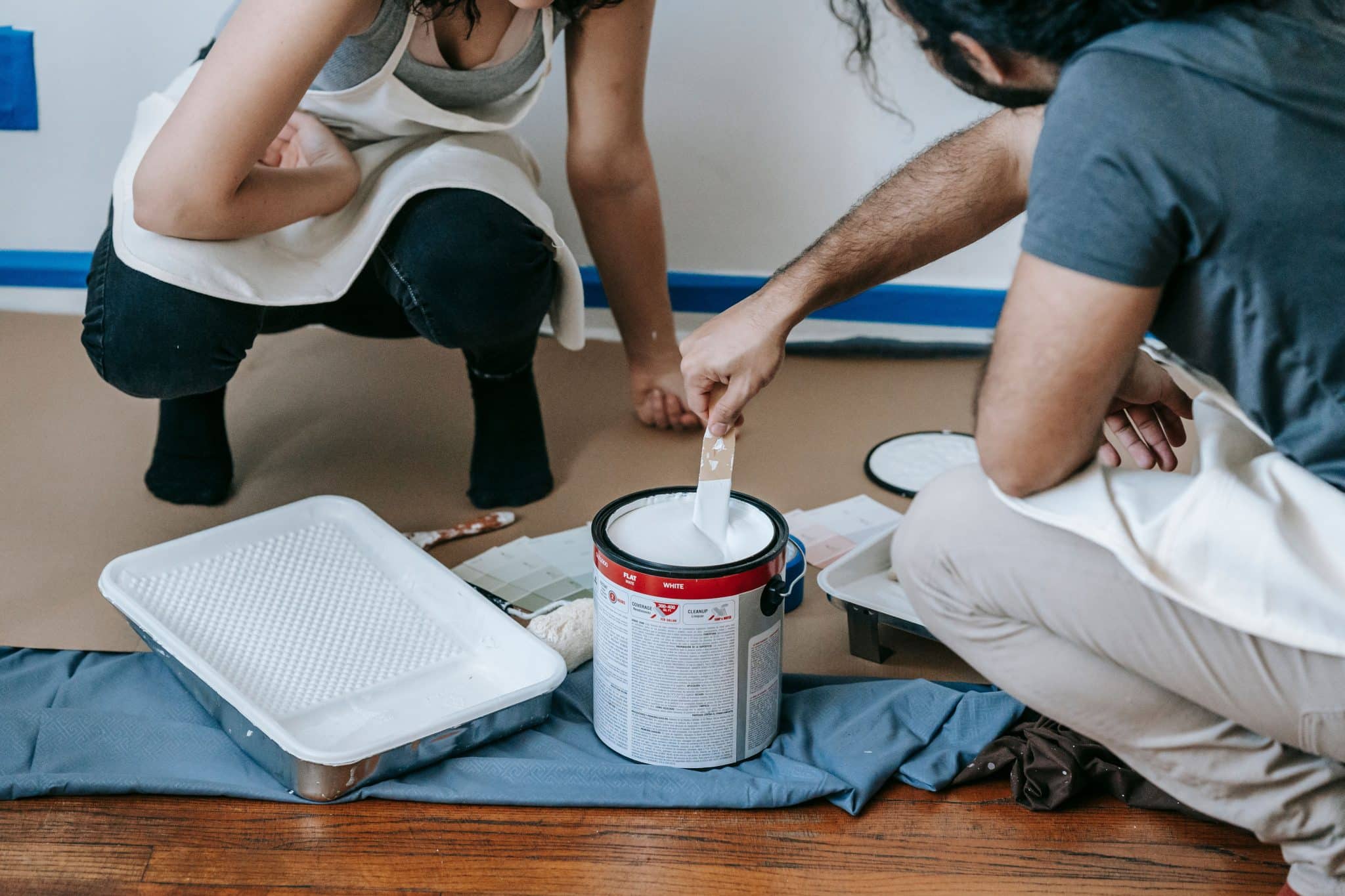
What is paint primer, and what does primer do once it’s on the wall? It’s the coat you apply before paint, and it does more than most people expect.
Skip it on the wrong surface, and you’ll notice blotchy color, peeling edges, or a stain ghosting through weeks later. This covers what primer does, when you need it, and how to pick the right type.
If you’ve ever wondered if primer is worth the extra step, the short answer is yes for most jobs.
Know How Paint Primer Functions
So what is primer used for, exactly? It’s a base coat, not a finish coat, and that distinction shapes everything else about how it works. It’s not meant to be the layer you look at once the job is done.
It’s meant to disappear underneath the paint while doing the structural work that makes the topcoat look good and last.
After curing, the topcoat of paint can adhere to an even surface rather than the base material beneath.
Most primers share a base of resin, solvent, and pigment, but the ratios and chemistry shift depending on what the primer is built to handle. A few common formulas show up again and again:
- Latex or acrylic, water-based, dries fast and cleans up with soap and water
- Oil-based, slower drying, better at blocking odor and old stains
- Shellac-based, the strongest stain blocker of the three, though it needs denatured alcohol to clean brushes
Picking the wrong base for the surface is one of the most common DIY mistakes, and it’s usually the reason a stain or knot shows up again a few weeks after painting.
What Primer is Used for on Different Surfaces?
How important primer is depends on the surface you’re painting. Some surfaces need no primer at all, while others will make you pay for skipping it.
Bare wood, fresh drywall, and old painted trim all respond differently once primer goes on, so treating them the same way usually backfires.
Drywall and New Construction

Drywall consists of fresh paper and gypsum, so painting drywall without applying a primer will lead to uneven absorption of the paint.
The patch or tape compound is even more absorbent compared to the board; therefore, if there were no primer applied before the topcoat, the patches would appear flat and dull since they absorb paint differently than the surrounding drywall.
Primer matters most on new drywall in these situations:
- Freshly hung and taped walls before their first coat of paint
- Skim-coated repairs or patched nail holes
- Ceilings, which are almost always unpainted drywall to begin with
Skipping this step on new construction is one of the more common regrets among first-time DIYers, since patched spots often only become visible once the topcoat has fully dried under normal light.
Bare Wood and Painted Furniture

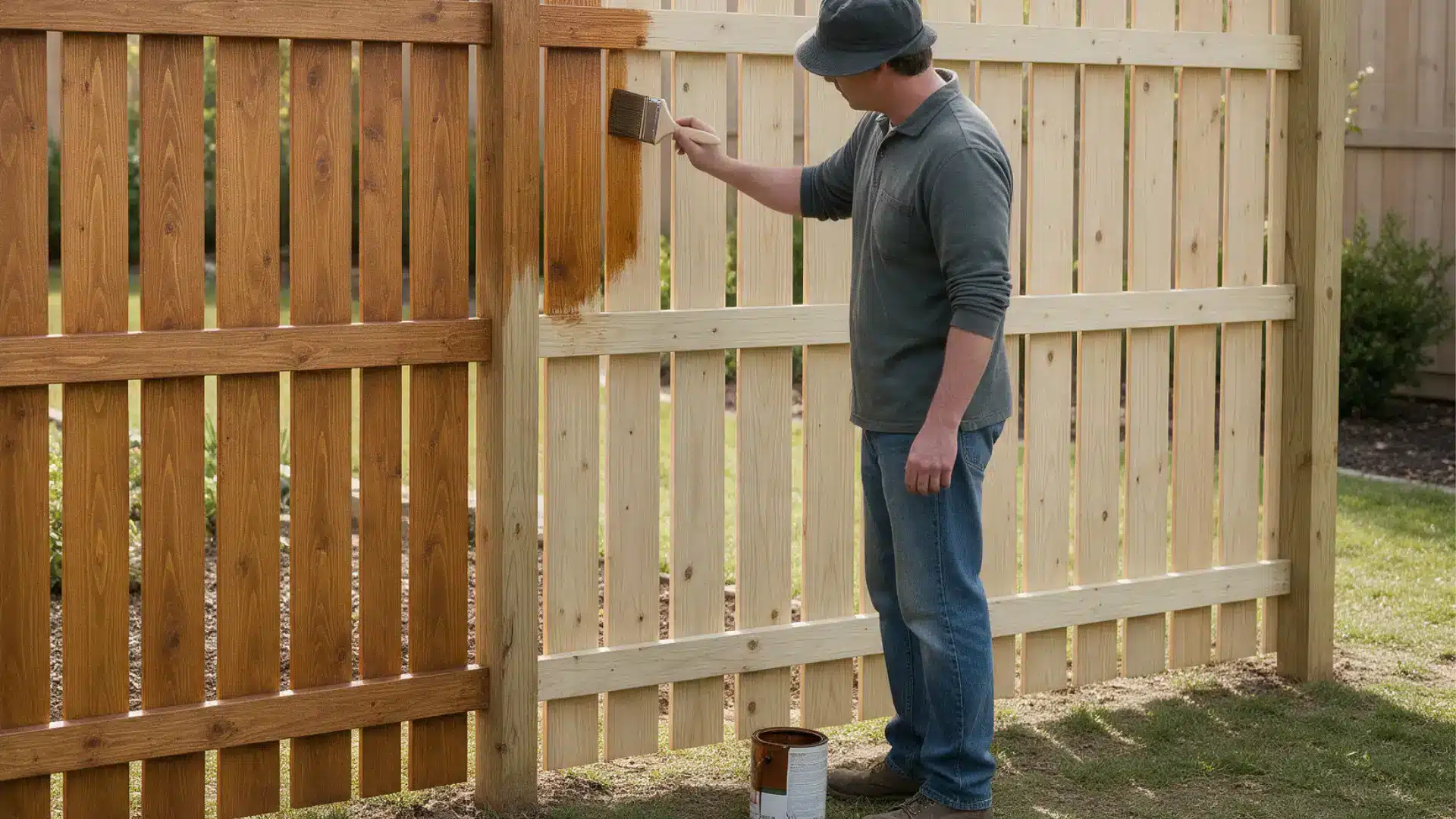
Bare wood has natural oils, tannins, and knots that can bleed through paint for months if you don’t seal them first.
Cedar, pine, and redwood are especially prone to this, sometimes showing yellow or brown blotches weeks after the topcoat looks finished.
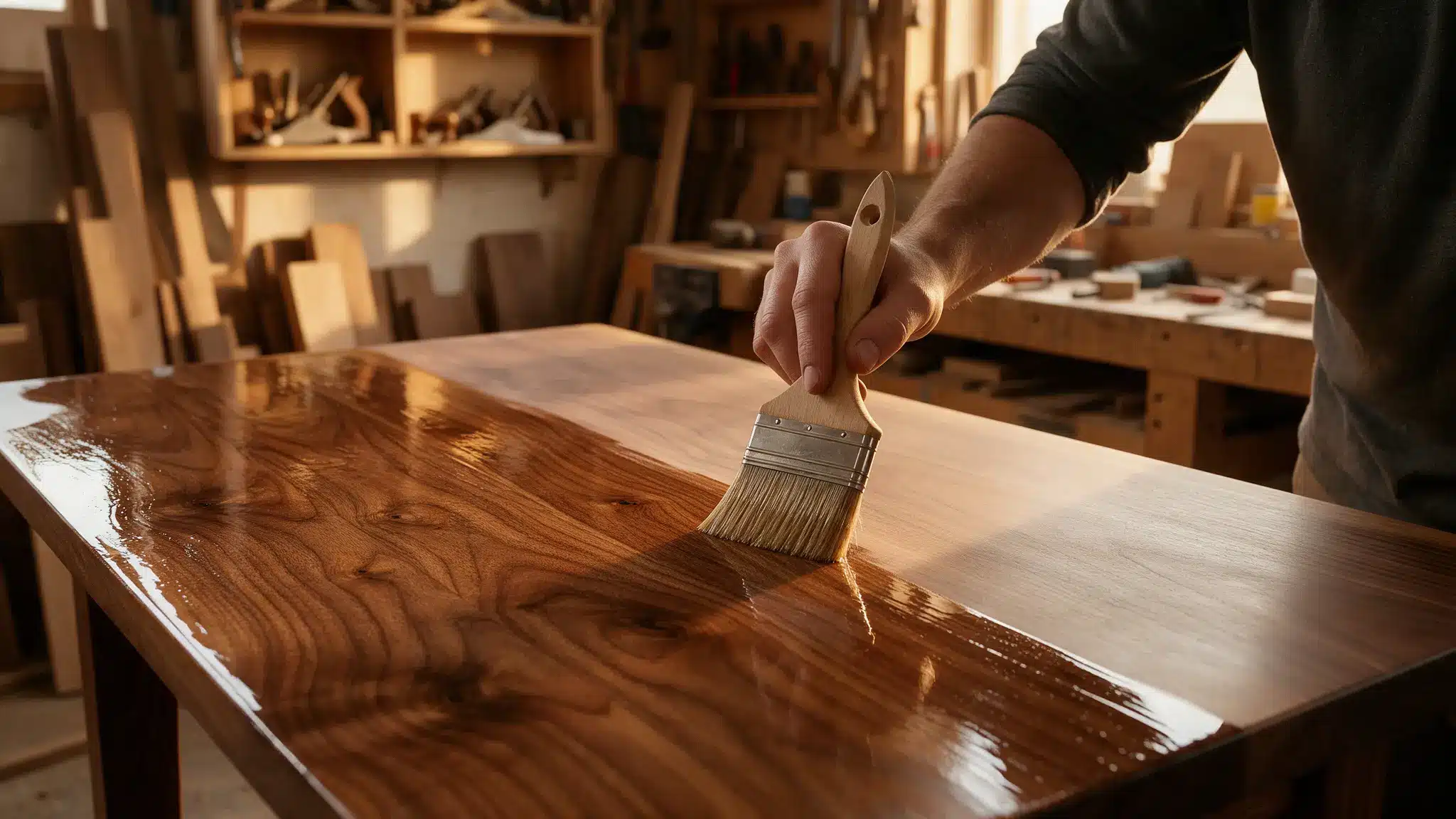
On furniture, primer also gives sanded or stripped wood a surface with some tooth, so paint grips instead of sliding around on bare grain.
Skipping this step on a dresser or cabinet is how a fresh paint job ends up scuffing off within a few months of regular use.
What Happens When You Apply Primer?
Primer behaves differently on the wall than paint does, and it helps to know what to expect before the roller ever touches the surface.
This is the part most articles skip past, but it’s the part that tells you if the job is going well. Watching primer go on for the first time can feel confusing, since the texture, sheen, and drying speed all behave differently than paint.
What Does the Coat Look Like Going On?
The primer tends to apply itself lighter and smoother compared to paint and has very little of that wet shine that you would have with the topcoat.
On the porous surfaces like drywall or plain wood, you will notice it penetrating and absorbing quickly into the surface, becoming matte in just a minute or two, unlike paint that stays wet and shiny.
This quick penetration is perfectly fine and not something to worry about, since it shows the primer has done what it is supposed to do and sealed the surface.
A single thin application of primer is enough on most surfaces.
How Long Does It Need to Dry Before You Paint?
Dry time depends on the primer type and the room’s humidity, so it pays to check the can rather than guess.
- Water-based primer: usually dry to the touch within an hour, ready for paint the same day
- Oil-based primer: several hours to touch dry, often needs a full day before the topcoat goes on
- Shellac-based primer: dries fastest of the three, sometimes ready for paint in under an hour
Painting over primer before it fully cures can trap moisture under the topcoat, which can show up later as bubbling or peeling.
Signs a Surface Needs Primer Before Painting
Not every wall needs a fresh coat of primer, so it helps to know what to look for before you commit to the extra step.
A quick walk around the room, checking for stains, sheen, and old patch marks, usually tells you what you need before opening a can.
Stains, Smoke Damage, and Dark Colors

Some marks will bleed through paint no matter how many topcoats you add unless you apply a stain-blocking primer first.
- Water stains, smoke or nicotine residue, and pet odors
- Crayon, marker, or ink marks left behind on kids’ walls
- A dark wall you’re covering with a much lighter color
In these cases, skipping primer usually means repainting sooner than you’d like, once the old mark works its way back through.
Glossy or Previously Painted Surfaces

The paint tends to have difficulty adhering to the glossy or semi-glossy surfaces due to a lack of texture that would give the paint something to grab onto.
However, sanding beforehand helps; still, it is better to use a bonding primer as the adhesion surface, especially for frequently used areas such as trim, cabinets, and doors.
Also, if there is a need to apply a different type of paint (e.g., a water-based top coat over an old oil-based paint), then the primer coating is essential since the paints do not bind together properly.
However, if the current paint is intact and if the same level of glossiness and the color are being applied, then there is no need for this step.
Types of Primer and Which One to Choose
Picking a primer comes down to the surface and the problem you’re solving, not personal preference.
A quick label check at the store usually spells out which surfaces a primer works best on, saving a return trip mid-project.
Water-Based and Oil-Based Primer

Water-based, or latex, primer is the standard choice for drywall and most interior walls.
It dries fast, has less odor, and cleans up with soap and water, so it’s the default pick for everyday wall painting.
Oil-based primer takes longer to dry and needs mineral spirits to clean up, but it seals wood tannins and old stains more reliably, which is why painters still reach for it on bare wood trim and water-damaged spots.
Shellac and Specialty Primers

Shellac-based primer blocks the toughest stains and odors of the three main types, sealing in smoke damage, pet stains, and heavy wood knots in a single coat.
It’s the primer painters reach for after fire or water damage, when nothing else has kept the old stain from working its way back through. Beyond the three main types, a few specialty primers solve specific problems:
- Bonding primer for glass, tile, laminate, and other slick surfaces.
- Masonry primer for concrete, brick, and stucco.
- Self-etching primer for bare metal that needs rust protection before painting.
Specialty primers cost more per can, but using a general-purpose primer on these surfaces usually means redoing the job within a year.
Conclusion
Paint primer is insurance for the topcoat you actually care about, not an optional extra step.
It seals porous surfaces, blocks stains from bleeding through, and gives paint an even base to grip instead of soaking in unevenly.
The type you pick – water-based, oil-based, or shellac – depends on what you’re covering and what’s underneath it.
Skipping primer on the wrong job might save you an afternoon now, but it usually costs more time later in touch-ups, extra coats, or a stain that reappears months after you thought the room was finished.
When a surface looks even slightly questionable, prime it first, then paint knowing the color will hold the way you expect.
Frequently Asked Questions (FAQs)
1. Do You Need Primer if the Paint Is Labeled Self-Priming?
Even self-priming paint has its own problems with stains, bare wood, and dark colors; therefore, a separate primer often works better.
2. How Many Coats of Primer Does a Typical Wall Need?
Usually, one coat of primer is sufficient for most walls, but in the case of stains, bare wood, or significant color differences, two coats will be better.
3. Can You Skip Primer on a Wall That’s Already Painted?
Yes, if the current paint layer is in good condition and similar to the new paint.
4. Does the Color of the Primer Matter Under Light Paint?
Tinting the primer to match the final coating can reduce the number of paint layers needed.