
Garden design itself can be a part of the work of several specialists: landscape designers, landscapers, and sometimes even gardeners. And this is not surprising: we would describe this profession as something at the intersection of design, ecology, and engineering thinking. It’s a lot to do – you plan the space, select plants, and adjust the design.
Where can we most often find garden designers? Despite the stereotype of “gardener,” about half of the work involves office tasks. This depends on the workplace: if you’re looking for a garden designer job, you can freelance or join an agency. Companies know how rare and highly specialized this profession is, so, following the link, you can get a visa sponsorship, relocation opportunities, and additional perks. But what skills do you need to have to be hired? Let’s take a look at this work from the inside.
What Does a Professional Garden Designer Do
In a nutshell, this is work on the garden structure. Sounds simple? If only. Like any design work, it all begins with analysis and planning: because we want to achieve not only an aesthetically pleasing but also a functional site. Let’s imagine ourselves as professional garden designers. Here’s how we would proceed:
- We analyze the site’s ecology. This isn’t for aesthetics but to ensure the correct placement of plants. We need to determine how the future garden is exposed to sunlight, where the most shade is, how water will drain after rain, and the type of soil on the site. This is like the first round of feasibility assessment.
- We develop a plan or design concept. That’s why we mention ecology – the aesthetics and longevity of the finished garden depend on it. During project development, we work with more “human” attributes – paths, seating areas, and lighting. The goal of this stage is to adjust everything so that nature and functionality can work to your advantage.
- We would work on the project, taking into account the client’s wishes. Even the most well-thought-out drawing or plan requires a reality check: something might not please the partners, and some aspects might work differently in real life. Consider it a small problem-solving exercise before implementation.
What do you need to consider in the final design? In fact, the main thing you’ll have to adapt to is the client’s lifestyle. Most often, garden designers work with corporate clients: landscape designs for company sites or parks.
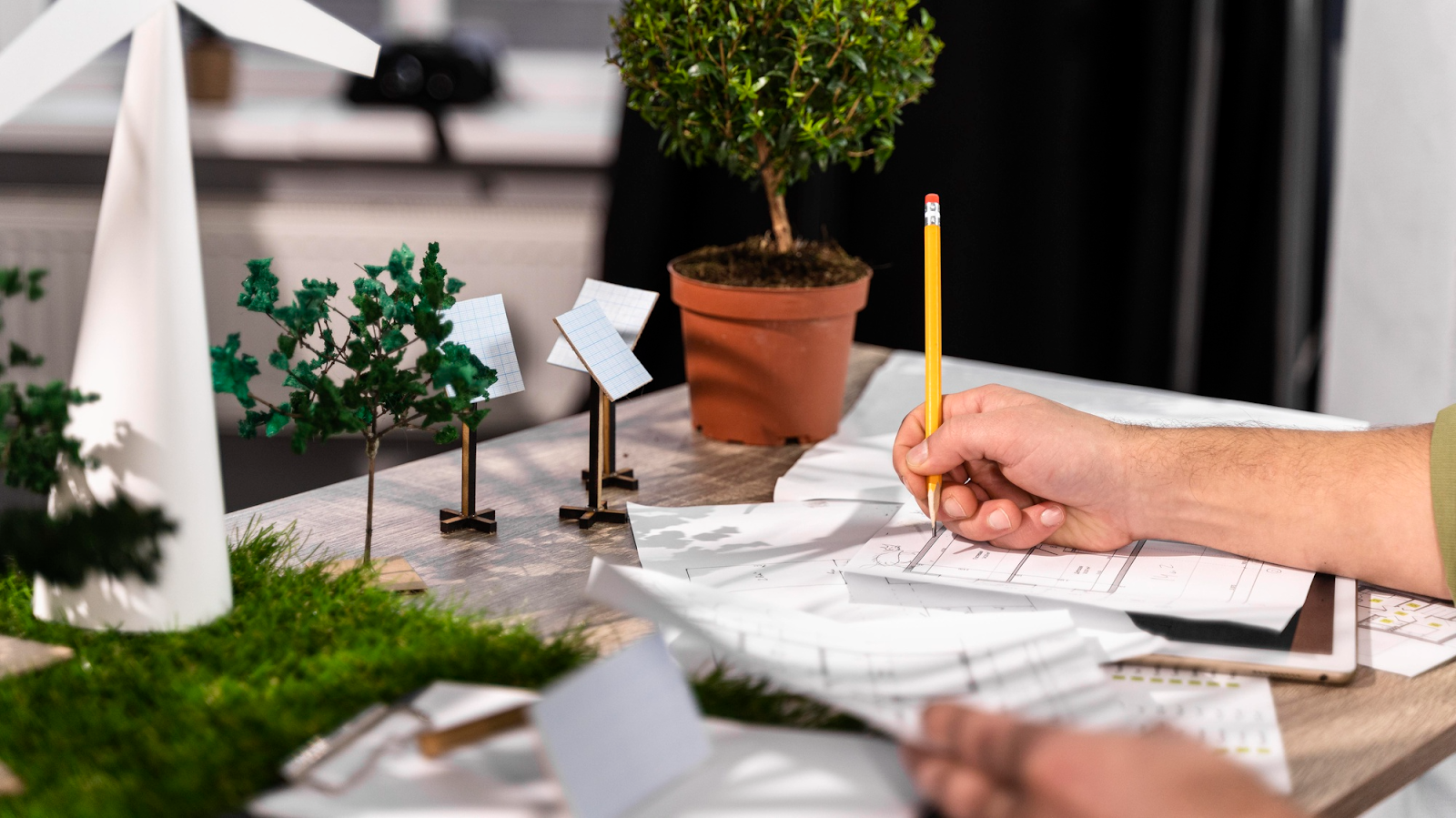
Day-to-Day Job Tasks of a Garden Designer
Is there a routine to this work? Well, obviously. The tasks remain similar from project to project. But let’s take a deeper look: what does a typical day for a garden designer look like? Honestly, it rarely starts the same, but it’s always fairly predictable.
The morning begins with checking emails, responding to client messages, making edits, and discussing details. This is precisely the office part of the job we talked about earlier: you switch between minor communications, drawings, and organizational matters.
The rest of the work time before lunch is usually devoted entirely to communication: calls or meetings. Sometimes this requires patience, and sometimes it requires a quick response: replacing a plant, adjusting something in an almost-finished project due to an updated budget.
And now the “gardening” part of the job – site visits. This doesn’t happen every day, but it does happen often. You communicate with clients, contractors, and gardeners – depending on the project. The longer a project is in progress, the less time you’ll spend there.
After that, garden designers typically spend the rest of the day in the same relaxed atmosphere they started in – in their office, drawing, emailing, and creating renderings. One of the benefits of this work is the minimal stress, which attracts many professionals to the field.
Garden Designer Salary in the United States
The common thing for any semi-creative field is rarely fixed salaries: it really depends on project type, the agency you work with, and the client. Let’s see the statistics: landscape and garden designers earn a solid mid-range income. The quiet joke of the industry is simple: the less time you spend “digging,” the more your expertise tends to cost.
Tools and Software Garden Designers Use
Speaking of digging, contractors do most of the “hands-on work,” while you plan and manage the work using diagrams and drawings. Garden designers benefit from these tools:
- AutoCAD. Your primary tool: precise drawings and work plans.
- SketchUp. One of the best tools for visualization and creating 3D models.
- Adobe Photoshop. This one is more for clients, helping them visualize concepts through design and presentations.
Depending on the project and experience, specialists customize a pool of programs: plant databases, climate tools, and vector graphics. And, of course, the classic: sketchbooks for offline work.

Skills and Qualifications Needed to Succeed
Many current specialists say they came to this profession by chance or by inertia – they got a great offer or found a position of interest. It’s true that people typically come here from landscape design backgrounds – it’s a more specialized branch of the same niche.
Hard skills are also valued here. If you can “read” a site and develop plans based on that and have experience working with software and visualization tools, it’s your sign to look for the top highest paying agriculture jobs collected in one place across multiple sources. The market values your ability to transform ideas into aesthetics and functionality.
Is a Career as a Garden Designer Worth It?
There’s no one-size-fits-all answer to this question. Let’s put it this way: do you enjoy working with ideas and concepts, implementing them in a real landscape, and working with nature? If your answer is yes, you should definitely try working as a garden designer: interesting projects and a fluid work style offer a great opportunity to realize your potential!