

Most homeowners don’t have time to maintain a healthy lawn properly. Between work, family obligations, and everything else demanding attention, the yard usually ends up at the bottom of the priority list. It’s not surprising that grass starts looking patchy and weeds take over.
That’s where professional lawn care services come in, though picking the right one isn’t as simple as it sounds. The company you hire will affect how your turf grows, how your property looks to neighbors, and whether you’re constantly dealing with new problems. Some thought needs to go into this decision.
Service Range and What Your Turf Actually Needs
Lawn care companies don’t all offer the same services, which can make comparisons tricky. Some stick to fertilization and maybe a weed spray here and there. Others run year-round programs that address everything from grub damage to disease prevention. Before you sign anything, you’ll want to confirm what’s actually included in their standard package.
A decent program should cover the basics at minimum. Fertilization feeds your turf so it grows thick enough to crowd out weeds naturally. Weed control (both pre-emergent and post-emergent) stops invasive plants before they establish deep roots. Grub treatment prevents those white larvae from chewing through grass roots and leaving brown dead patches behind. Disease prevention keeps fungal problems from spreading when conditions get humid.
Companies like lawn weed control service, Weed Pro typically bundle these treatments into packages timed around your region’s growing season. This approach makes more financial sense than calling someone out for emergency fixes after damage appears. But timing has to match your specific grass type and local weather patterns, not just a generic calendar.
One thing people forget about is irrigation maintenance, even though it’s pretty important. If your sprinkler heads are broken or zones aren’t adjusted right, you’ll get dry patches in some spots and swampy areas in others. A good provider should at least look over your system during the initial visit and mention any obvious issues.
Licensing and Insurance Requirements
Here’s something that matters more than most people realize. Lawn care involves chemicals that can cause real harm if someone doesn’t know what they’re doing. Every legitimate company needs licensing from the state agriculture department, which proves their technicians passed exams on application safety and environmental regulations.
Beyond that basic requirement, look for certifications from industry groups. Certified applicators go through continuing education on new products and updated best practices. Organizations like the Professional Landcare Network run programs that keep technicians current instead of relying on outdated training from years ago.
Insurance is the other non-negotiable part. General liability covers property damage if chemicals drift onto your flower beds or equipment breaks something. Worker’s compensation handles injuries that happen while crews are on your property. You’ll want to see current certificates for both before letting anyone start work, because without proper coverage you could end up liable for their mistakes.
Treatment Schedules That Match Growth Cycles
Grass doesn’t grow at a steady rate year-round, which is why timing treatments correctly gets complicated. Apply fertilizer at the wrong point in the growth cycle and you’ll just feed weeds instead of your turf. Pre-emergent herbicides need to go down before weed seeds germinate, which means there’s only a narrow window when they actually work.
Professional programs usually involve somewhere between five and eight visits annually. Here’s roughly how quality companies break down their schedule:
- Early spring visits handle pre-emergent weed control plus a starter fertilizer application
- Late spring treatments target broadleaf weeds that pop up and provide nutrients during active growth
- Summer applications address heat stress and deal with persistent weed pressure
- Fall visits prep the turf for dormancy and block cool-season weeds from establishing
According to research from the University of California Agriculture and Natural Resources, your watering schedule affects fertilizer performance and weed control effectiveness pretty significantly. Companies that adjust timing based on actual rainfall and temperature do better than ones following the same rigid schedule regardless of conditions.
How Application Methods Affect Results
Professional equipment spreads products more evenly than the consumer-grade spreaders you’d buy at a hardware store. Companies investing in calibrated equipment and maintaining it properly avoid those embarrassing striped patterns from uneven coverage. You end up with consistent color and density instead of light and dark bands across your yard.
Different products also need different application approaches. Liquid herbicides coat weed leaves more thoroughly, which improves how much the plant absorbs. Granular fertilizers release nutrients slowly over multiple weeks rather than all at once. A provider who knows what they’re doing picks the right delivery method instead of forcing everything through one type of equipment.
Communication and Response Times
Pay attention to how companies communicate from your first phone call. During the consultation, good providers ask detailed questions about your property’s history, current problem areas, and what results you’re hoping for. That information helps them design something specific to your situation rather than pushing a standard package they sell everyone.
After each visit, technicians should leave service reports spelling out what products they applied and how much they used. These reports also need to include watering or mowing recommendations based on current conditions. Written documentation keeps everyone accountable and helps you track whether things are improving over several months.
Problems don’t stick to scheduled visits though. Disease symptoms can show up suddenly between treatments. Insect damage might appear overnight after a warm spell. How quickly the company responds to these off-schedule issues tells you a lot about their reliability. Many providers include callback visits in their agreements at no extra charge, but you should confirm that policy upfront.
Billing transparency prevents unpleasant surprises later on. Some companies advertise low monthly rates but then charge extra for common issues like grub control or fire ant treatments. Others build those services into the base price from the start. Comparing total annual costs gives you a clearer picture than just looking at monthly payments.
Water Management and Conservation
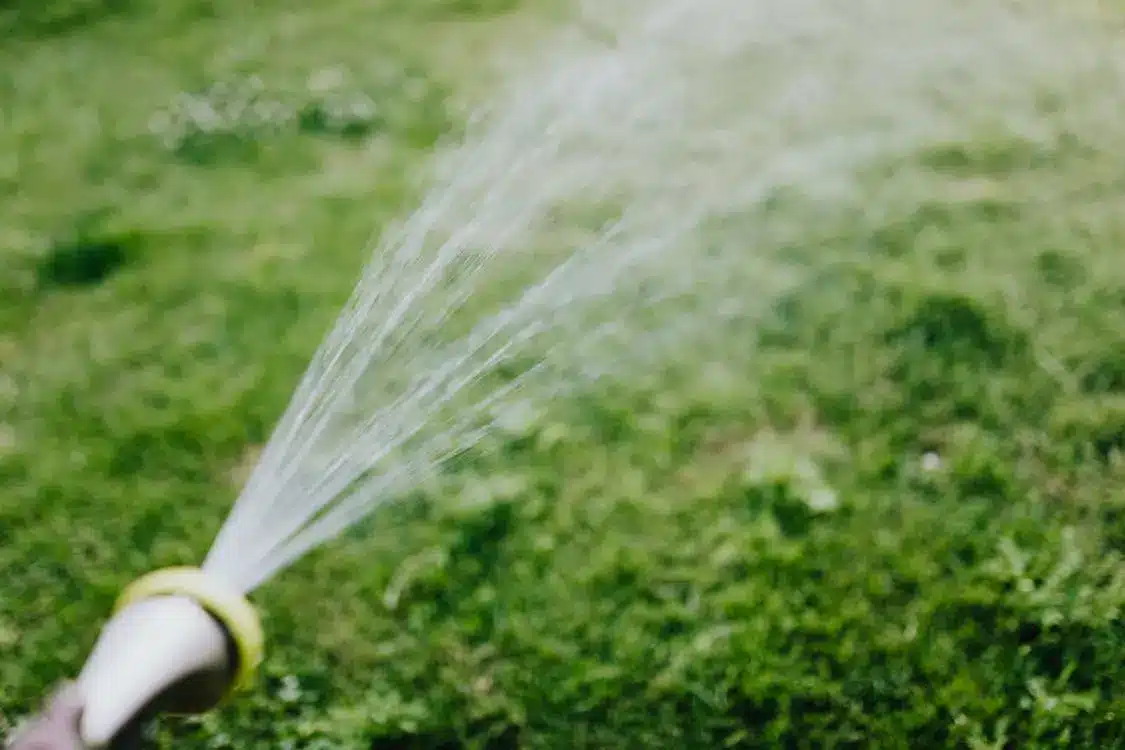
Modern irrigation technology can cut water waste significantly while keeping grass healthy, which helps both your water bill and the environment. Weather sensors automatically shut off sprinkler systems when it rains. Smart controllers adjust watering duration based on temperature and how fast moisture evaporates. The EPA’s WaterSense program sets efficiency standards that professional providers should understand and follow.
Irrigation timing also needs to coordinate with fertilizer applications for best results. Water too soon after treatment and you’ll wash nutrients away before roots absorb them. Wait too long and fertilizer sitting on leaf blades can burn the grass. Experienced companies give you irrigation recommendations that work with their treatment schedule instead of generic advice.
Choosing the Right Provider for Your Property
Selecting a lawn care service means balancing several considerations that don’t always point in the same direction. Companies with properly trained staff, current licensing, and quality products typically cost more than unlicensed operators working from pickup trucks. But they also deliver consistent results that protect your property value and keep you out of legal trouble.
Take time to interview at least three providers before deciding. Check references from customers who have similar yards in terms of size and grass type. Verify all credentials and insurance coverage independently rather than just taking their word for it. Ask specific questions about how they handle common regional problems and what guarantees back up their work.
The research you put in now pays off through years of healthier turf and fewer emergency calls. Your property will reflect this decision every time you pull into the driveway or look out the window.