
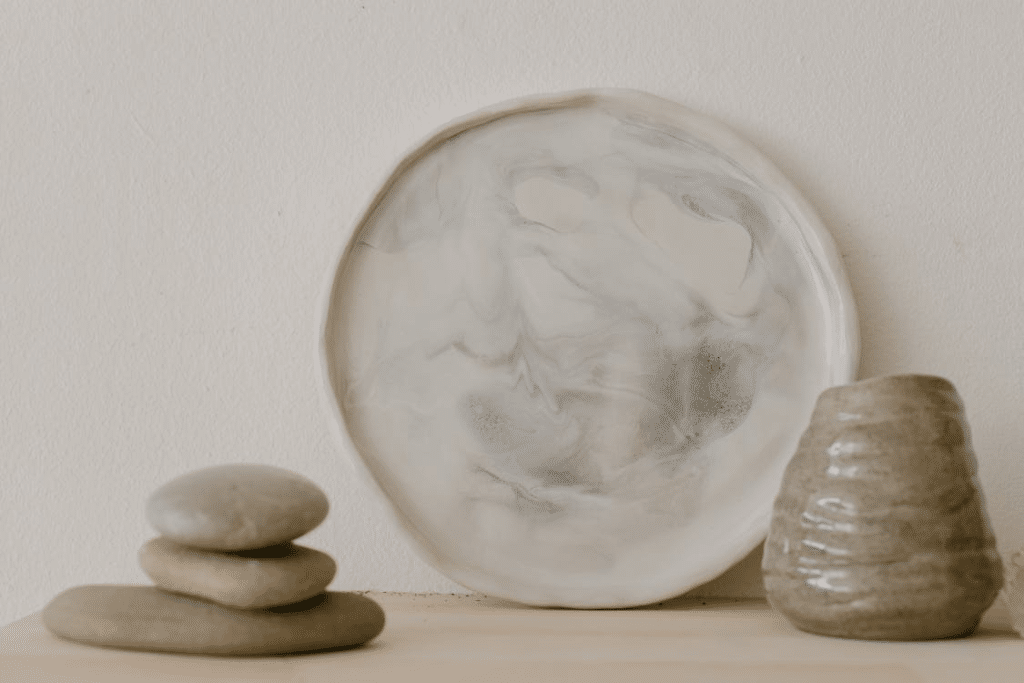
Stone surfaces bring lasting beauty to any home. The right choice adds value and style that endures for decades. But picking stone involves more than just finding a color you like.
Most people start with looks. That makes sense. But durability and maintenance matter just as much. Working with a trusted countertop supplier in New York helps you balance aesthetics with practical concerns. Your stone needs to fit your design vision and your daily life.
Different Stone Types Explained
Natural stones vary widely. Each type has its own personality and quirks. Knowing these differences saves you from costly mistakes.
Granite Brings Serious Durability
Granite forms from cooled magma deep underground. This creates exceptionally hard surfaces. Scratches barely touch it. Hot pans won’t damage it either. Kitchens are where granite really shines. It handles daily wear better than most options out there.
Marble Offers Timeless Beauty
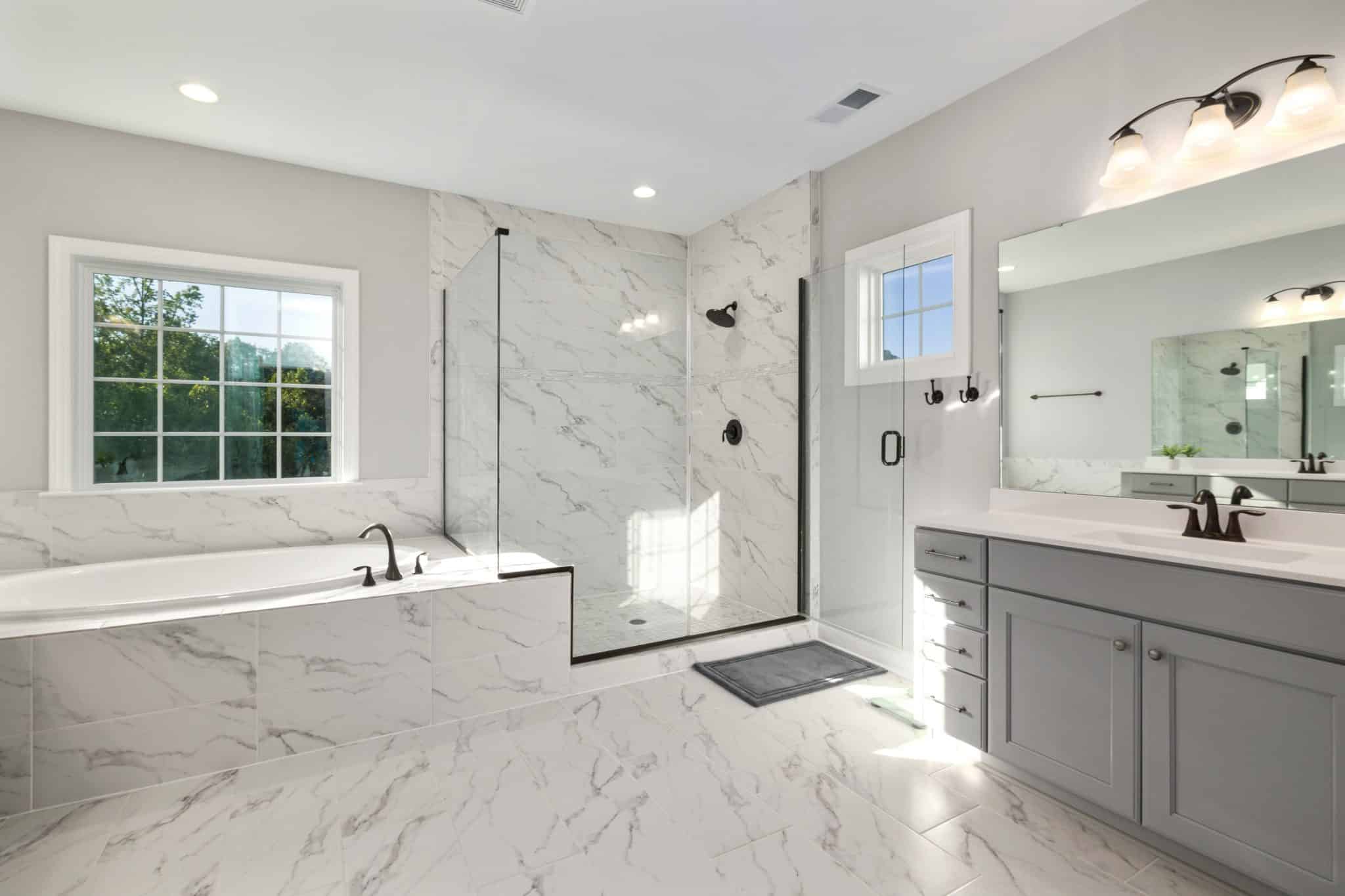
Marble forms through heat and pressure on limestone. The veining patterns look stunning. Classic elegance never goes out of style. But here’s the catch. Marble is softer and more porous than granite. Lemon juice can etch it permanently. Same goes for wine and coffee. Stick to bathrooms or low-traffic spots if you want marble.
Quartzite and Engineered Versions
Quartzite starts as sandstone under intense heat and pressure. You get marble’s beauty with granite’s strength. Real quartzite is incredibly tough. The patterns flow in subtle, gorgeous ways.
Engineered quartz is completely different. Manufacturers mix ground quartz with resins and pigments. The result is uniform patterns and consistent colors. Stains barely affect it. You’ll never need to seal it either.
Specialty Stones for Drama
Onyx and semi-precious stones work better as decorative pieces. They’re not built for heavy use. But their translucent properties create stunning effects with backlighting. Feature walls look incredible with these materials. Just remember they need extra protection.
Care and Maintenance Needs
Every stone type needs different care. Some require frequent sealing. Others need almost nothing. Getting this right prevents headaches later.
Here’s what you need to know about maintenance:
- Granite: Seal it once a year. Takes about an hour. Protects against stains pretty well. Natural stone maintenance really does extend the life of your investment.
- Marble: Needs sealing every six months. Even then, it etches easily. Spills need immediate cleanup. Skip it for kitchen counters. Bathroom vanities work better.
- Soapstone: Never needs sealing. The dense composition handles stains naturally. Scratches buff out with mineral oil. It darkens over time into a richer patina. Some people love this aging process.
- Engineered Quartz: Clean it with soap and water. That’s basically it. No sealing ever. Hot pans can damage the resin though. Keep trivets handy.
Regular cleaning prevents most problems. Use pH-neutral cleaners made for stone. Harsh chemicals strip sealers away fast. Wipe spills right when they happen. This habit protects everything.
Color and Pattern Choices
Patterns range from subtle to bold. Your choice affects both style and function. Busy patterns hide wear and tear. Life happens in kitchens. Patterns with lots of movement work great there.
Solid stones suit minimalist designs. Other elements get to shine. But every crumb shows up. Water spots too. You’ll wipe these surfaces constantly.
Light colors brighten small spaces. They bounce natural light around. Dark stones add depth to bigger rooms. They hide stains better too.
Colors shift under different lights. Some stones look totally different at night. Get samples for your actual space. Check them morning and evening. The difference surprises most people.
Movement means how patterns flow. Horizontal lines make rooms feel wider. Vertical lines draw eyes up. Swirling patterns add energy. Match this to your room size and purpose.
Budget and Sourcing Options
Stone prices vary wildly. Several factors drive costs up or down. Planning helps you spend wisely.
What Affects Price
Common granites cost way less than rare marbles. Domestic stones beat imported prices. Shipping adds serious money. Handling fees pile on too.
Slab size matters for your wallet. Bigger pieces cost more but reduce seams. Seams break up patterns. They show where pieces meet. Good planning hides them better.
Thickness changes both cost and feel. Standard slabs run 2 or 3 centimeters. Thicker slabs feel more substantial. Decorative edges look better too. Granite and quartzite weigh about 20 pounds per square foot. Your wallet feels the weight as well.
Where to Shop
Local suppliers let you inspect slabs yourself. Photos lie about colors and patterns. Seeing stone in person prevents disappointment. You can touch it and visualize better.
Remnants save serious cash on small projects. These leftover pieces work great for bathroom vanities. Suppliers discount them heavily. Selection is limited but savings are real.
Installation Details That Matter
Professional installation makes or breaks your project. Several technical points need attention. Understanding them helps things go smoothly.
Cabinets must handle stone weight. Your existing setup might need reinforcement. Talk to installers before buying stone. This prevents expensive surprises.
Edge profiles completely change the look. Simple edges fit modern designs. Fancy edges suit traditional styles. Some edges work better with certain stones. Thick edges show off marble beautifully.
Templates ensure proper fit. Installers create exact patterns of your space. They measure for appliances and sinks. All the weird spots get accounted for. This happens after cabinets go in.
Seam placement takes planning. Good installers hide seams where you won’t notice. Behind sinks works well. Natural breaks in the counter help too. Talk about this during templating.
Fabrication takes two to three weeks usually. Installation wraps up in a day. Plan your timeline carefully. Stone goes in after cabinets. Backsplashes come last.
Choosing the Right Stone for Your Home
Match stone to how you actually live. Busy kitchens need granite or quartzite. Powder rooms can handle delicate materials. Be honest about maintenance time.
Test samples with your existing stuff. Bring cabinet samples when viewing slabs. Bring flooring pieces too. Colors interact in weird ways. What looks good alone might clash.
Ask suppliers about stone origins. Some granites react badly to certain cleaners. Knowing this prevents damage. Good suppliers share these details freely.
Resale value matters if you’re moving soon. Neutral stones appeal to more buyers. Bold choices show personality but limit interest. Find your balance.
Stone transforms homes with style that lasts. Taking time now ensures years of satisfaction. The right choice enhances your space while fitting your real life.