
Water damage is one of the most stressful events a homeowner can face. From burst pipes to roof leaks or severe storms, water can cause serious damage to your home and personal belongings. Acting quickly and strategically is essential to minimize property damage, prevent mold growth, and ensure safety.
If you’re dealing with water damage in Glendale, CA, this comprehensive step-by-step guide will help you respond effectively. For professional water damage restoration services, you can rely on RestorePro Water Damage Restoration to get your home back to normal.
Step 1: Ensure Personal Safety
Your safety is the most important priority when dealing with water damage. Water can create hazards, including electrical shock, slipping, and structural damage.
- Turn Off Electricity and Gas
Water and electricity are a dangerous combination. If water has reached outlets, wiring, or appliances, turn off your main power supply. If gas lines are affected, shut off the gas to prevent leaks or explosions. - Wear Protective Gear
Floodwaters or contaminated water from sewage can carry bacteria or chemicals. Wear gloves, boots, and protective clothing to avoid direct contact. - Evacuate if Necessary
If water levels are high or your home’s structure is compromised, evacuate immediately and contact local emergency services.
Bonus Tip: Even shallow standing water can hide hazards like exposed nails, broken glass, or electrical outlets submerged under water. Always proceed with caution.
Step 2: Identify the Source and Stop Further Damage
Before starting cleanup, it’s crucial to stop the source of water:
- Burst Pipes: Shut off your home’s main water supply.
- Appliance Leaks: Disconnect leaking appliances like washing machines, dishwashers, or water heaters.
- Roof or Window Leaks: Use tarps or plastic sheeting for temporary protection.
- Flooding from Outside: Divert water using sandbags, temporary barriers, or pumps if available.
Stopping the water flow immediately prevents additional damage to floors, walls, and belongings.
Step 3: Assess the Extent of the Damage
Once it’s safe, conduct a careful assessment:
- Inspect the structure: Check floors, ceilings, walls, and the foundation for warping, cracking, or soft spots.
- Document the damage: Take clear photos and videos of all affected areas, furniture, and personal items. This is essential for insurance claims.
- Sort belongings: Identify items that are salvageable, disposable, or may need professional restoration.
Glendale homes, especially older constructions, may have wooden subfloors or older plumbing, making early inspection critical.
Step 4: Contact Your Insurance Company
Insurance can help offset repair costs, but timing and documentation are key:
- Report the Incident: Provide your insurer with detailed information about the cause and extent of the damage.
- Clarify Coverage: Ask about what is covered, including structural damage, contents, and potential mold remediation.
- Schedule an Adjuster Visit: The insurance adjuster will assess your home to approve your claim.
- Save Receipts: Keep receipts for temporary repairs, cleaning supplies, or emergency services.
Bonus Tip: Insurance companies often respond faster if you have clear documentation and photos ready.
Step 5: Begin Water Extraction
Water left in your home can worsen damage and promote mold growth.
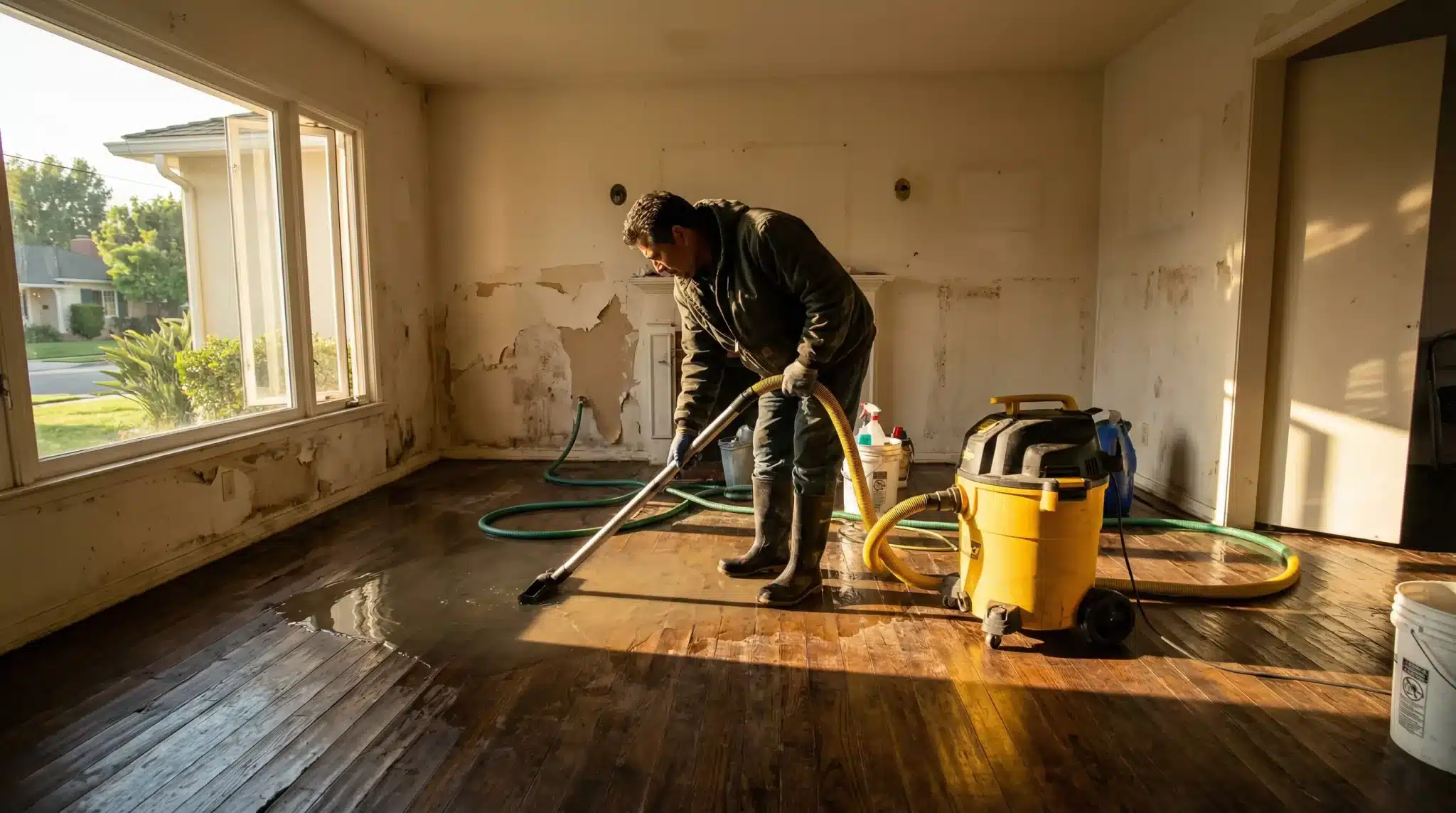
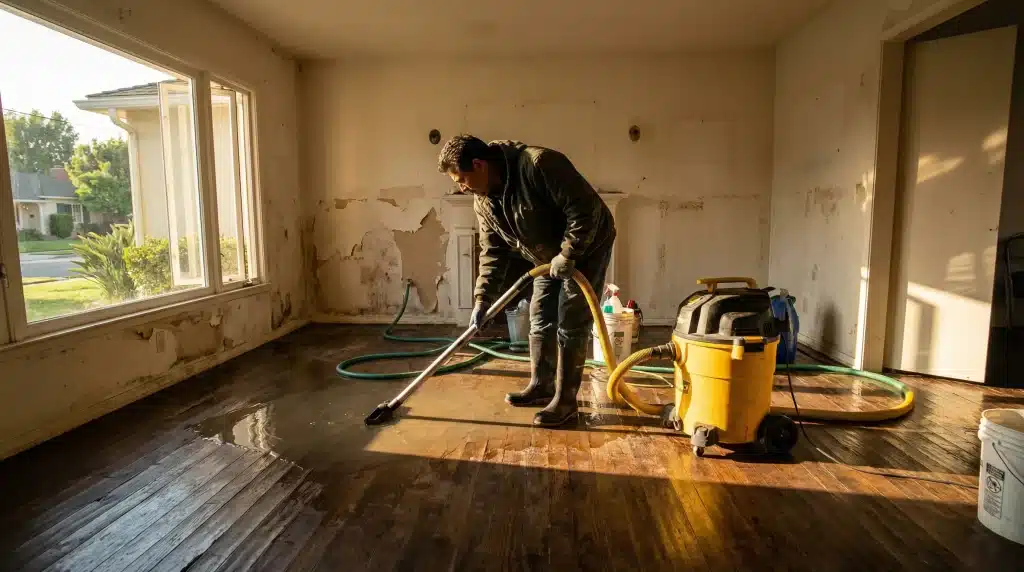
- Small leaks: Use wet/dry vacuums, mops, or towels for minor flooding.
- Large-scale flooding: For substantial water accumulation, professional extraction is recommended. Companies like RestorePro Water Damage Restoration have industrial-grade equipment to remove water quickly and efficiently.
- Move belongings: Relocate furniture, rugs, and valuables to prevent further damage.
Bonus Tip: Carpets and padding can trap water and encourage mold within 24–48 hours. Professional extraction reduces long-term damage.
Step 6: Dry and Dehumidify
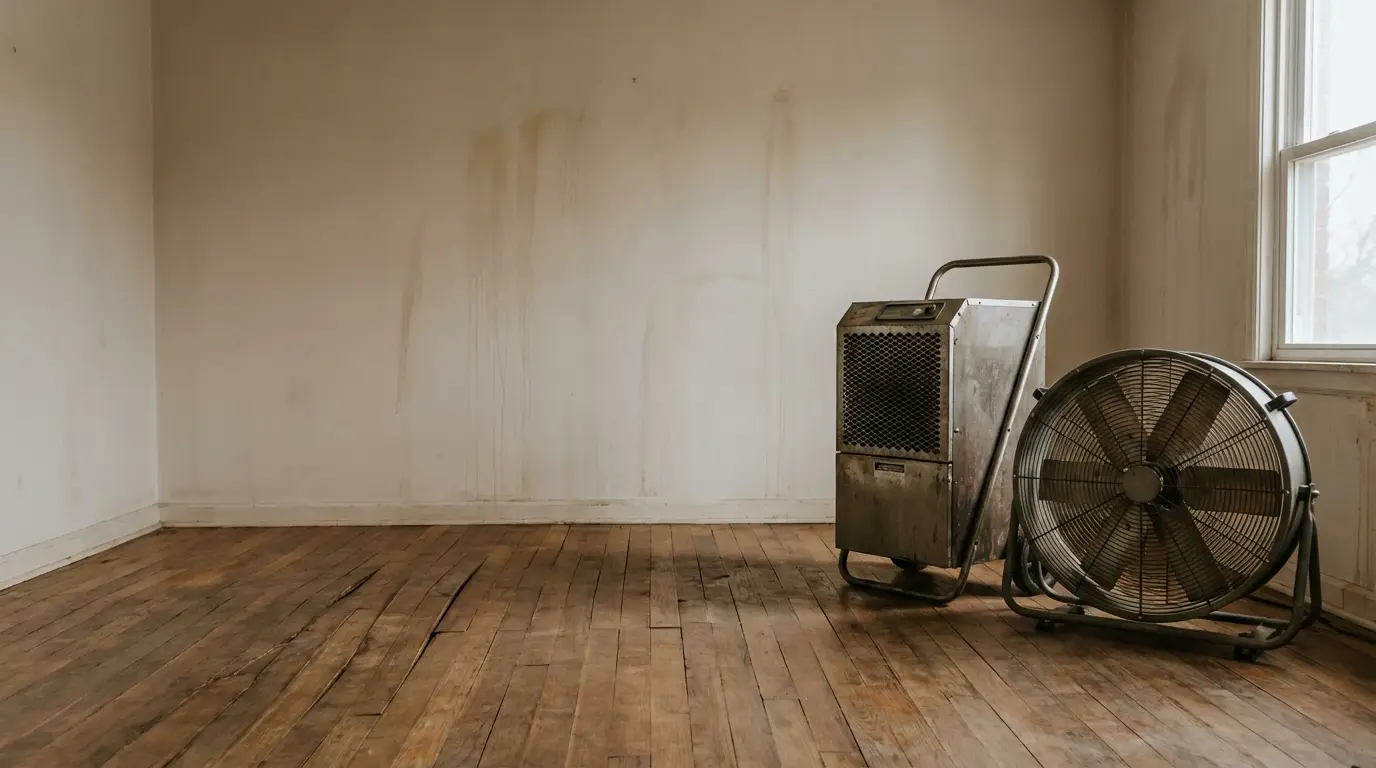
Proper drying prevents mold, odors, and structural problems:
- Ventilation: Open windows and doors to increase airflow when weather allows.
- Fans and Dehumidifiers: Use high-capacity fans and dehumidifiers to reduce moisture.
- Check hidden areas: Water can hide behind walls, under floors, and in ceilings. Professionals use moisture meters or infrared cameras to detect hidden moisture.
Glendale’s mild climate may help natural drying, but enclosed spaces or winter moisture require professional dehumidification.
Step 7: Clean and Sanitize
Cleaning and disinfecting is crucial to prevent mold and health risks:
- Hard surfaces: Wash floors, walls, and countertops with detergent and disinfectant.
- Soft surfaces: Carpets, rugs, and furniture may require professional cleaning.
- Mold prevention: Treat exposed surfaces with mold-resistant solutions.
Bonus Tip: If water was contaminated with sewage or floodwater, professional cleaning is mandatory to protect your family.
Step 8: Repair and Restore
Restoration ensures your home is safe, functional, and visually appealing:
- Replace damaged materials: Drywall, insulation, flooring, and ceilings may need replacement.
- Inspect electrical and plumbing systems: Hire licensed professionals to ensure safety and code compliance.
- Restore belongings: Some items, like furniture and electronics, can be professionally restored.
Step 9: Prevent Future Water Damage
After restoration, implement preventive measures:
- Regular plumbing inspections: Check pipes, hoses, and fixtures for leaks.
- Roof and gutter maintenance: Clear debris and ensure water drains away from your home.
- Install water detection sensors: Early alerts can prevent extensive damage.
- Routine professional inspections: Licensed experts can detect hidden risks before they escalate.
Prevention is cheaper than repair, especially in Glendale’s older neighborhoods.
Step 10: Hire Trusted Professionals
Water damage restoration requires specialized equipment, expertise, and safety precautions. Professionals can:
- Extract water and dry areas completely
- Prevent mold growth and related health risks
- Restore structural integrity and contents
- Assist with insurance claims
For Glendale homeowners, RestorePro Water Damage Restoration offers licensed, reliable, and fast service, giving you peace of mind after water damage.
Step 11: Monitor and Maintain Your Home
Even after restoration:
- Inspect for lingering moisture: Hidden damp areas can cause future mold or wood damage.
- Schedule regular inspections: Plumbing, HVAC, and roofing checks reduce risks.
- Maintain documentation: Keep photos, receipts, and service records for future insurance claims or resale.
Proactive maintenance ensures your Glendale home remains safe and dry for years to come.
Conclusion
Water damage in Glendale, CA, can be overwhelming, but quick, informed action makes all the difference. From ensuring safety to professional restoration, following these comprehensive steps protects your home, belongings, and health.
When facing water damage, contact RestorePro Water Damage Restoration for licensed, experienced, and fast water damage restoration services. Their team ensures your Glendale home is safe, dry, and restored efficiently.
FAQs About Water Damage in Glendale, CA
How fast should I act after water damage?
Immediate action is critical. Water can cause structural damage and mold growth in as little as 24–48 hours.
Can I dry my home myself?
Small leaks can be addressed DIY, but for significant flooding, professionals prevent hidden moisture and mold.
Will homeowners insurance cover water damage?
Coverage depends on the cause. Sudden pipe bursts are usually covered, while gradual leaks may not be. Always check your policy.
How do I prevent future water damage?
Regular maintenance, roof and plumbing inspections, and installing leak detection systems help reduce risks.