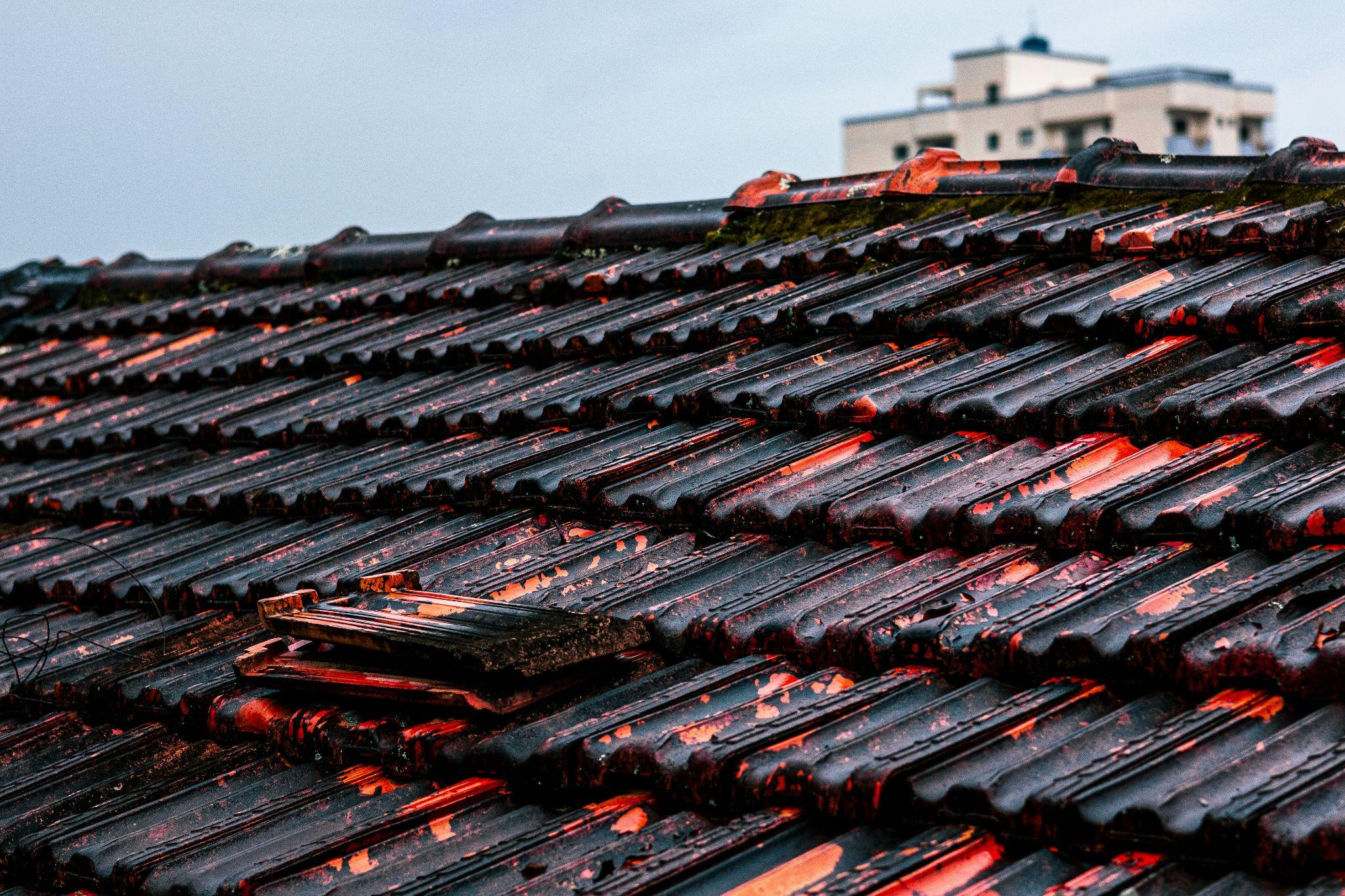

A roof leak may seem like the least of your concerns at first, but if you ignore it, it may quickly become a monster. You may think of a leak as the entry point for moisture into your house. Furthermore, you never know what might be invited inside if a door is left open for an extended period of time. It can be rain, wear, or unseen damage; one of these can be the cause of a leak, which will necessitate quick repair. In a city like San Francisco, leaks sometimes arise from thin air, which is why many homeowners get stuck with no clue what their next move should be.
That’s where knowing the basics pays off. Understanding what typically causes roof leaks and how repairs generally work gives you a real head start before a professional even sets foot on your property. The problem can also be stopped by reaching out to local roofing repair experts early to avoid the escalation of the problem. This guide takes you step by step on what to do when experiencing this, how to deal with the situation in the short run, and when to invite the specialists.
Immediate Steps: The First 30 Minutes
The initial thirty minutes of learning about a leak are crucial. You want to reduce water damage and save your possessions. First, what caused the leak to begin? As soon as you have found it, do the following:
- Take out the electronics, furniture, and other expensive things from the damp area.
- Put buckets or bowls under the water that is dripping to catch it.
- Use dry towels or rags to mop up the floors. It’s very important to stop more harm from happening.
- Make a small hole in the swelling ceiling when it is safe to do so. This will let the pressure out and the water drain.
Although these measures will not solve the problem, they will give you some time and minimize the indoor damage while you prepare for the next actions.
Temporary Emergency Repairs
While you are waiting for the arrival of a professional, you can try a number of temporary fixes to help with controlling any damage that occurs to your roofing.
If you can safely get to the place where the damage happened, you should be able to put a tarp over it and tie it down with rope or tape to keep the rain out of the house.
You can use a waterproof sealer on the inside of the house to stop the leak from getting worse. This will slow down the flow of water. You shouldn’t use it as a long-term fix, but it can assist you need to call for an emergency roof repair less often.
When to Call a Professional Immediately
There are cases in which professional attention is needed urgently. Postponement may cause structural damage or even a hazard.
Contact a roofing specialist immediately in case you observe:
- Water dripping around electrical wires or fittings
- Large areas of absent or lost roofing material
- Persistent leakages even after making temporary repairs
- Signs of structural sagging.
Common Causes of Roof Leaks
Some problems result from wear and tear, while others are caused by unexpected events.
The usual causes of roof leakage are:
- Damaged or missing shingles
- Clogged gutters that lead to the pooling of water
- Roofs are becoming damaged because of old age.
- Incorrect installation or old, faulty repairs.
Preventing Further Damage
As soon as the emergency is over, start thinking about ways to avoid more problems. Even minor leaks can make it easier for mold to grow, weaken the insulation in your walls and ceilings, and make your home less stable.
Ventilation can help with this by getting rid of moisture in the region that is impacted. Check your attic for signs of water damage. Taking pictures of all the damage will help when you file a claim with your insurance.
The Professional Repair Process
Once the process is taken over by professionals, it normally starts with an inspection. Rather than simply pointing out what is apparent to the naked eye, you will be able to identify even those issues that are not very perceptible initially.
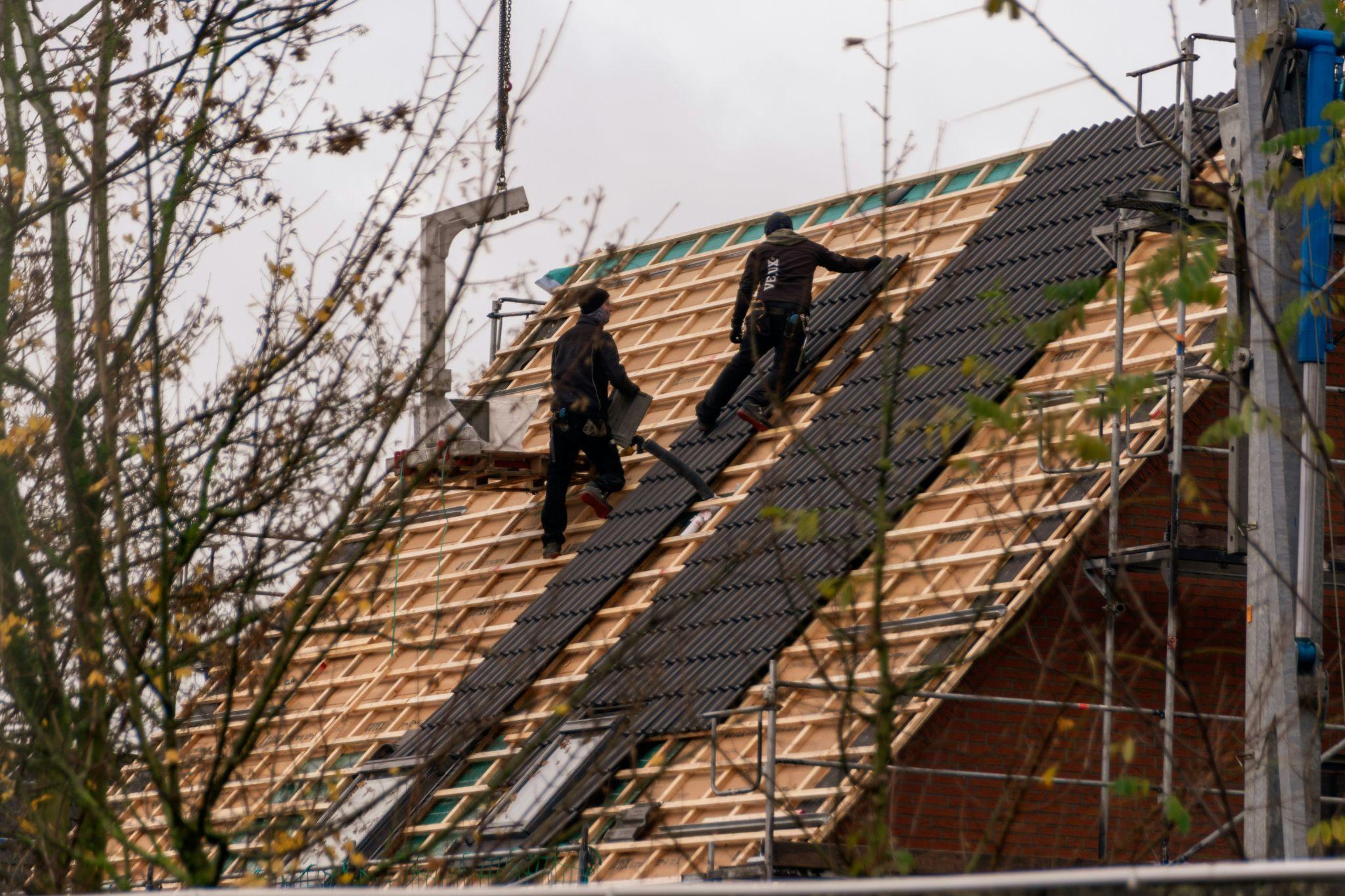
A contractor, on the other hand, will thoroughly examine the property, identify the actual cause of the damage, and have a discussion with you about the best option to proceed. Sometimes, it can be just a mere patch-up; other times, you might have to replace several parts, or if the situation is really bad, the repair will have to be much more extensive. Companies like RoofWorx keep you in the loop throughout — explaining what’s happening and why, so you can make confident calls about your property.
In conclusion
A leaking roof doesn’t have to turn into a nightmare; a lot depends on how quickly and wisely you act. Whether you patch things up yourself, dig into what actually caused the problem, or call in a roofer you trust, every step moves you in the right direction. Been through this before? Got a trick that saved you? Drop it in the comments, we’d love to hear it.