
For decades, jobsite safety programs have been built on engineering controls, regulatory compliance, and personal protective equipment designed to meet minimum performance standards. While these pillars remain essential, a critical factor has moved from the background to the forefront of safety strategy: worker comfort.
Once dismissed as a nice-to-have, comfort is now recognized as a central component of risk reduction. Safety leaders are increasingly aware that discomfort, restricted mobility, and physical fatigue do not just affect morale. They directly influence decision-making, reaction time, hazard awareness, and PPE compliance. In other words, discomfort is not just inconvenient. It is a measurable safety risk.
This shift has prompted a closer look at how protective equipment performs during real work, not just during certification testing. Selecting a high-quality safety harness is no longer only about ratings or approvals, but about how that equipment supports the worker across an entire shift.
Modern jobsite safety is evolving beyond protecting workers from hazards. It is also about optimizing human performance in hazardous environments.
The Human Performance Shift in Safety Thinking
Traditional safety models focused on eliminating hazards and preventing equipment failure. Modern safety thinking adds a third, critical dimension: human limitations.
Workers operating at height function in complex, high-risk environments where balance, coordination, situational awareness, and fine motor control are under constant demand. These capabilities degrade under physical strain.
Research in ergonomics and occupational physiology shows that:
- Musculoskeletal discomfort increases error rates
- Fatigue slows cognitive processing
- Restricted movement alters natural body mechanics
- Pain or pressure points divert attention away from hazards
When PPE introduces excessive weight, heat retention, pinch points, or movement restrictions, workers are forced to compensate. This often appears as:
- Riskier body positioning
- Reduced tie-off discipline
- Shortcuts during repetitive tasks
- Earlier onset of fatigue over long shifts
As a result, a safety system can meet compliance requirements while remaining functionally flawed in real-world use.
Discomfort as a Hidden Hazard
On a modern jobsite, hazards are carefully documented: unprotected edges, energized systems, moving equipment. Discomfort is rarely listed, even though its effects can be just as consequential.
1. Restricted Mobility and Biomechanical Stress
Fall protection harnesses, lanyards, and self-retracting devices must perform under extreme loads during a fall event. During normal work activity, however, they must allow workers to:
- Reach overhead
- Climb ladders
- Move through confined spaces
- Bend and twist repeatedly
If a harness pulls at the shoulders, compresses the hips, or shifts weight unevenly, movement patterns change. Over time, this creates strain in the lower back, neck, and hips, areas already vulnerable in construction and industrial trades.
Restricted mobility can also delay protective reactions. In a slip or misstep, milliseconds matter. A system that hinders movement can slow recovery responses.
2. Fatigue as a Safety Multiplier
Fatigue does not simply make work harder. It multiplies risk.
Physical fatigue leads to:
- Slower reflexes
- Decreased grip strength
- Reduced balance control
- Poorer judgment under pressure
On elevated worksites, these effects are magnified. A worker who is fresh at the start of a shift may become progressively less stable and less attentive after hours of carrying poorly distributed loads from tools and equipment.
Comfort-focused PPE design helps address this by:
- Improving weight distribution
- Reducing pressure points
- Enhancing ventilation and breathability
- Supporting natural posture
Reducing the energy cost of wearing equipment helps workers retain physical and cognitive capacity for the task itself. This is why understanding and finding the most comfortable fall protection harness has become a legitimate safety consideration.
3. Compliance and the Reality of Human Behavior
One of the most overlooked aspects of comfort is its effect on PPE compliance.
Workers rarely remove safety gear because they do not understand the rules. They remove it because:
- It digs into the shoulders
- It traps heat
- It chafes during movement
- It restricts range of motion
When equipment is uncomfortable, workers modify how they wear it, loosen critical adjustments, or delay donning it altogether. These small behavior changes introduce failure points into the safety system.
Comfortable equipment supports consistent use. When gear feels like a natural extension of the body rather than a burden, workers are more likely to wear it correctly and continuously. Evaluating the most comfortable safety harness for jobs at height reflects this shift.
Comfort as a Design Imperative
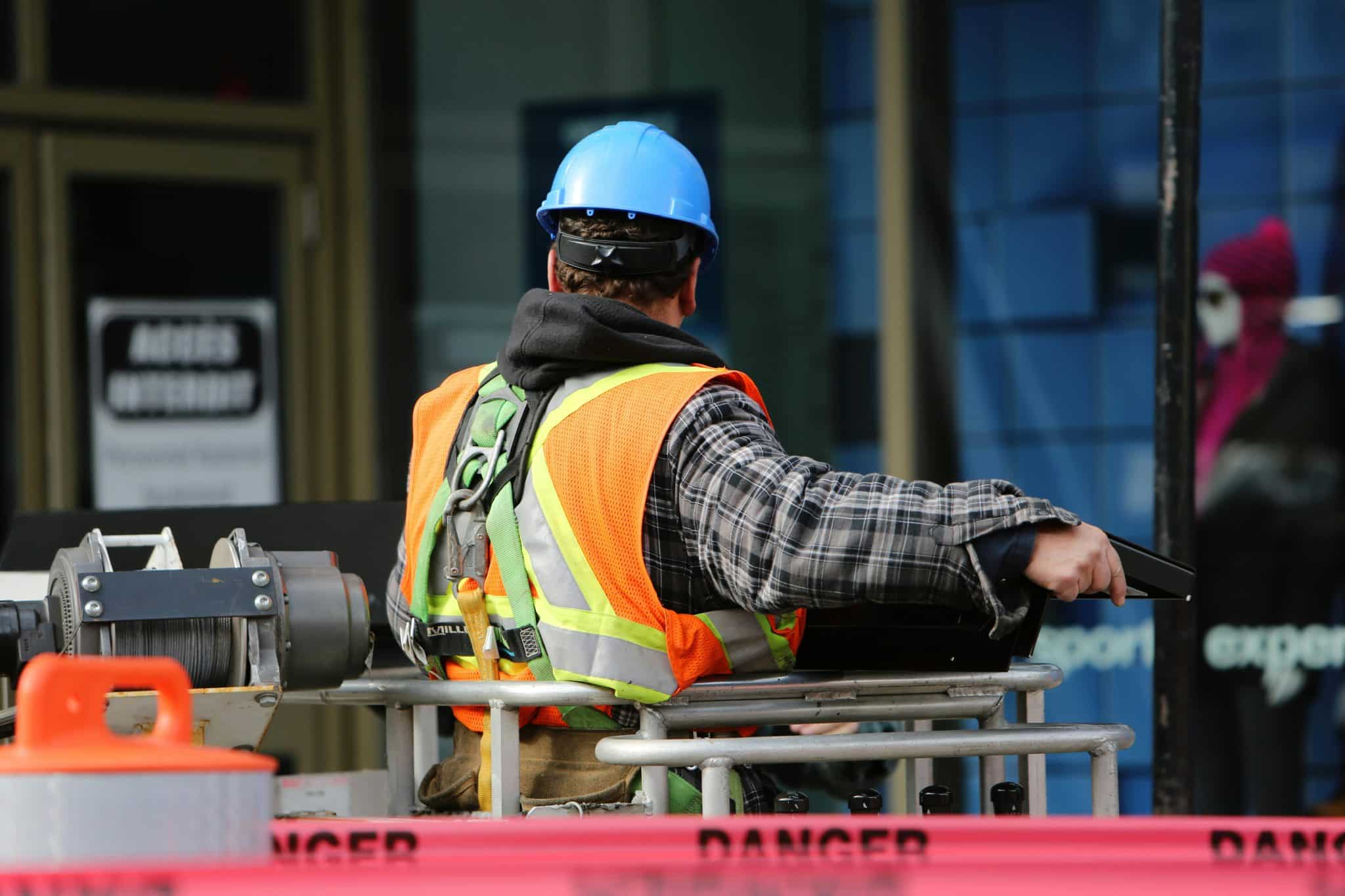
Leading safety equipment manufacturers are now designing from the perspective of the user in motion, not just the product under load.
This includes:
- Anatomically aligned padding
- Improved leg strap geometry
- Better dorsal and sternal positioning
- Consideration of suspension trauma during extended wear
Advances in materials and energy management have also reduced bulk while maintaining performance. Breathable components help manage heat stress, a major contributor to fatigue and error.
This evolution aligns with broader research on PPE designed to meet performance standards in real working conditions, not just laboratory benchmarks.
Comfort Is a Safety Strategy
The idea that comfort is secondary to protection is outdated. In today’s high-risk environments, discomfort undermines safety from the inside out. It erodes focus, accelerates fatigue, alters movement, and weakens compliance.
By recognizing comfort as a fundamental design and policy consideration, safety leaders are building systems that not only protect workers during a fall event but also help prevent falls from happening in the first place.
In modern jobsite safety, comfort is not a luxury feature. It is a control measure, a performance factor, and an essential element of an effective safety program.