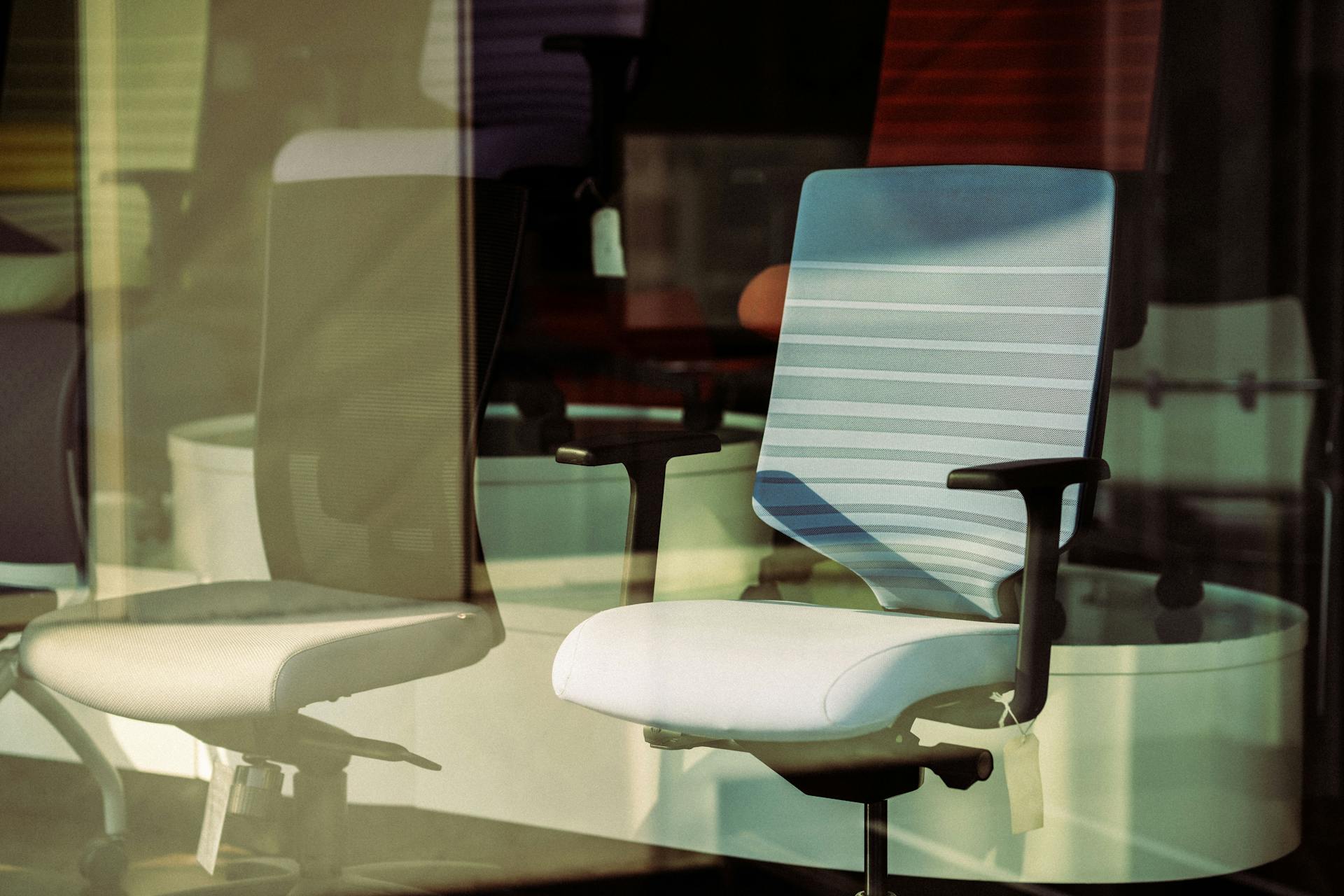


Modern work has changed faster in the last decade than in the previous fifty years combined. Hybrid schedules, prolonged screen time, flexible offices, and an increased focus on employee wellbeing have reshaped how and where people work. Amid all these changes, one factor has quietly become critical to performance, health, and retention: ergonomic furniture.
What was once considered a “nice-to-have” perk is now widely recognized as a foundational element of a productive workplace. Ergonomic furniture is no longer just about comfort—it directly affects physical health, mental focus, and long-term organizational outcomes. As work environments continue to evolve, the importance of getting ergonomics right has never been greater.
The Changing Nature of Work
Despite advancements in technology, many employees spend more time seated than ever before. Knowledge-based roles often require prolonged periods of concentration, with fewer natural movement breaks built into the day. Video meetings replace in-person discussions, emails replace short walks down the hall, and the line between work and personal time continues to blur.
Sitting for extended periods on poorly designed furniture places strain on the spine, shoulders, hips, and wrists. Over time, these small stresses accumulate, leading to discomfort, fatigue, and chronic musculoskeletal issues.
Hybrid and Flexible Workspaces
The rise of hybrid work has also changed how offices are designed. Workspaces now need to accommodate different users, body types, and work styles throughout the week. A one-size-fits-all desk and chair setup simply no longer works. Ergonomic furniture provides adjustability and flexibility, ensuring that shared spaces remain supportive rather than harmful.
The Health Impact of Poor Ergonomics
Health organizations and occupational safety experts consistently point to musculoskeletal disorders as one of the most common work-related health issues globally. Neck pain, lower back pain, and repetitive strain injuries are often linked to improper seating, desk height, and monitor positioning.
Ergonomic furniture addresses these risks by promoting neutral postures—positions where joints are naturally aligned and muscles are not under constant tension. Adjustable chairs with proper lumbar support, desks set at the correct height, and thoughtfully designed accessories all play a role in reducing physical strain.
Fatigue and Cognitive Load
Discomfort doesn’t just affect the body; it affects the mind. When employees are constantly shifting in their chairs or compensating for awkward postures, cognitive energy is diverted away from actual work. Over time, this leads to reduced focus, slower decision-making, and increased mental fatigue.
Well-designed ergonomic furniture helps the body stay supported without conscious effort, allowing employees to devote more attention to problem-solving, collaboration, and creative thinking.
Productivity and Performance Benefits
Consistent performance requires consistent physical support. Comfortable employees are better able to maintain steady productivity throughout the day. Ergonomic seating and workstations reduce the need for frequent breaks caused by discomfort, helping teams stay engaged without pushing themselves beyond healthy limits.
This is especially important in roles that demand sustained concentration, such as design, analysis, customer support, or technical work.
Fewer Absences, Better Retention
From an organizational perspective, investing in ergonomic furniture can contribute to lower absenteeism and higher retention. When employees experience fewer physical complaints related to work, they are less likely to require time off or medical intervention.
Moreover, employees increasingly evaluate employers based on how well they support wellbeing. A workspace that visibly prioritizes ergonomics sends a clear message: people matter here.
Ergonomics as Part of Workplace Culture
Furniture choices are not neutral. They communicate values. Offices that prioritize ergonomics demonstrate a commitment to long-term employee health rather than short-term cost savings. This can have a powerful effect on morale, especially in competitive talent markets.
Organizations that take ergonomics seriously are often perceived as more professional, forward-thinking, and employee-centered—qualities that resonate with both staff and clients.
Supporting Inclusion and Accessibility
Ergonomic furniture also plays a role in creating more inclusive workplaces. Adjustable desks and chairs allow people of different heights, physical abilities, and mobility needs to work comfortably. This flexibility supports accessibility goals and helps ensure that workspaces do not unintentionally exclude or disadvantage certain individuals.
The Evolution of Ergonomic Design
Today’s ergonomic furniture goes far beyond the classic adjustable chair. Sit-stand desks, dynamic seating, monitor arms, and modular workstations reflect a more holistic understanding of movement and posture. The goal is no longer to keep people sitting perfectly still, but to encourage healthy variation throughout the day.
Designers increasingly collaborate with ergonomists, occupational health experts, and workplace researchers to create furniture that adapts to real-world use rather than idealized assumptions.
Blending Function with Aesthetics
Another important shift is the integration of ergonomics with modern design. Functional furniture no longer needs to look clinical or utilitarian. Contemporary ergonomic solutions balance visual appeal with performance, making it easier for organizations to maintain a cohesive brand identity without compromising comfort.
Suppliers like https://www.officefurniture2go.com/ reflect this trend by offering furniture that aligns with both ergonomic principles and modern workplace aesthetics, making it easier for businesses to invest in wellbeing without sacrificing style.
Making Ergonomics a Strategic Investment
While ergonomic furniture may carry a higher upfront cost than basic alternatives, the long-term value is often significantly greater. Reduced injury risk, improved productivity, and higher employee satisfaction all contribute to a stronger return on investment over time.
Many organizations now view ergonomic upgrades as part of their broader health, safety, and sustainability strategies rather than as discretionary spending.
Education Matters Too
Furniture alone is not enough. Employees benefit most when ergonomic setups are paired with education on posture, movement, and workspace adjustment. Encouraging people to personalize their setups and take regular movement breaks reinforces the benefits of ergonomic design.
Conclusion
Ergonomic furniture is no longer a trend—it is a response to how work actually happens today. As jobs become more sedentary, more digital, and more flexible, the physical environments that support them must evolve accordingly.
Organizations that recognize this shift and invest in ergonomic solutions are not just improving comfort; they are building healthier, more resilient workplaces. In a world where talent, wellbeing, and performance are increasingly interconnected, ergonomics is no longer optional. It is an essential foundation for sustainable work in the modern era.