

You’ve been going since morning. The house is finally quiet, everyone’s taken care of, the to-do list is as done as it’s getting. And what happens? You pick up your phone and scroll for an hour without really meaning to. Not because you’re enjoying it. Just because it’s the path of least resistance when your brain is too tired to choose something else.
That hour – the one right before you try to sleep – is probably the most wasted part of most people’s days. Not because you’re doing something wrong, but because nobody really thinks of it as something to be intentional about. It just gets absorbed into the evening without anyone deciding what it’s for.
What That Hour Is Actually Doing to Your Sleep
The problem with screens before bed isn’t just the blue light, though that’s real. It’s the stimulation. Every scroll is a small decision, a small reaction, a small hit of something new. Your brain stays alert looking for the next thing, right up until you put the phone down and expect it to switch off immediately. It doesn’t work that way.
Cortisol – your main stress hormone – needs time to drop before your body is ready for sleep. That process starts when your environment and your inputs start signaling that the day is winding down. Bright light, noise, screens, and mental activity all interrupt it. A quiet hour that gives your nervous system actual downtime isn’t a luxury. It’s how the transition is supposed to work.
The quality of your sleep affects everything the next day – mood, patience, how your skin looks, how much mental energy you have for the things you care about. And most of it gets decided in that last hour. Poor sleep is also cumulative in a way that good sleep isn’t – a few bad nights stack up and take much longer to recover from than most people expect. Protecting that final window is genuinely one of the higher-return habits you can build.
What to Do Instead
It doesn’t have to be elaborate. The point isn’t to build a complicated routine you’ll abandon by Thursday, but to have a few things you actually look forward to that don’t involve a screen.
For me, that starts with skincare – and I’ve become genuinely intentional about it rather than just rushing through it. I started using firming and anti-aging facial oils as the last step in my routine, and it changed the whole feel of it. There’s something about working a few drops of oil into your skin slowly, actually paying attention to it, that forces you to slow down in a way that scrolling never does. Nighttime is when skin does most of its repair work anyway, so it’s the right moment for anything nourishing – ingredients like prickly pear, moringa and rosehip that support collagen and work on fine lines while you sleep.
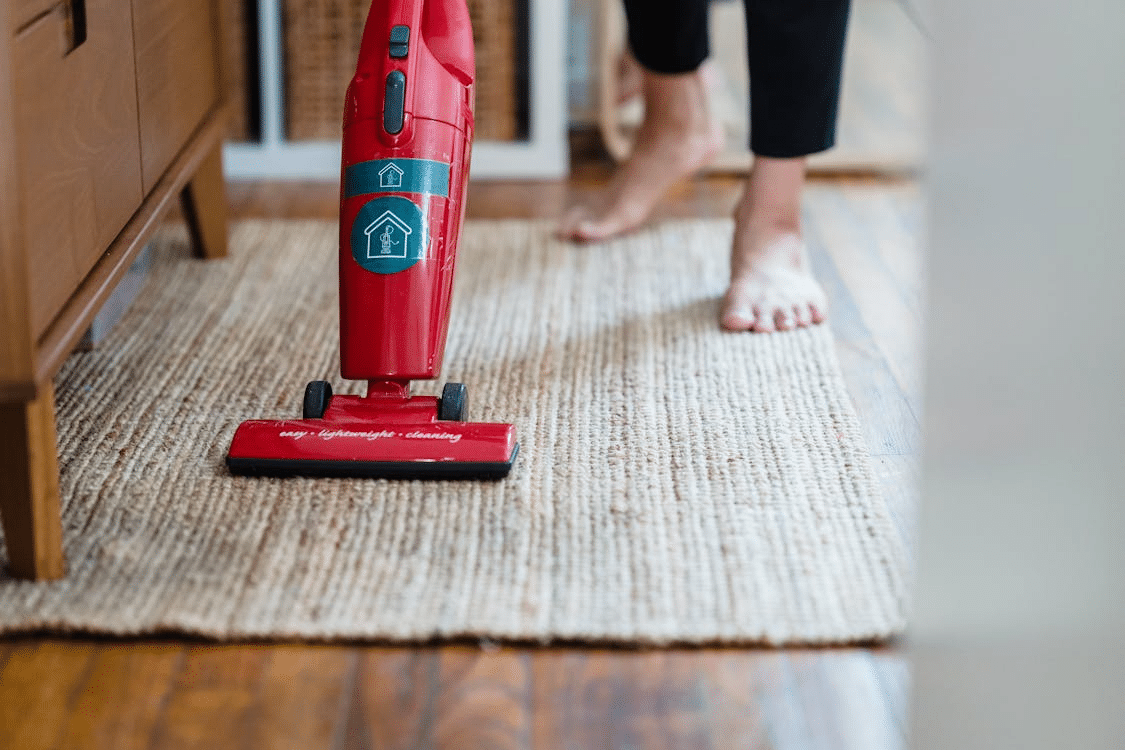
After that – tea, a real book, maybe just sitting in a room I’ve made comfortable without doing anything at all. Boring by Instagram standards. Actually restorative. Sometimes I’ll do a quick straighten of whatever room I’m ending the day in. Not a full clean, just putting a few things back where they belong. There’s something about walking into an orderly space the next morning that quietly changes the tone of the whole day before it’s even started.
Quick tip: Plug your phone in somewhere outside the bedroom before you start your wind-down. Not across the room – out of the room entirely. Once it’s out of reach and out of sight, the urge to check it drops off faster than you’d expect.
Setting the Environment Up to Help You

The space itself matters more than people give it credit for. A room with overhead lights blazing, clutter on every surface and a TV on in the background isn’t going to support a wind-down regardless of what else you try to do in it. Light is the biggest lever here – swap overhead lights for a lamp with a warm bulb earlier in the evening than feels necessary. Overhead lighting runs cool and bright even on the lowest setting, and your brain reads it as daytime. A warm lamp in the corner of a room reads differently, almost immediately. It’s one of those changes that sounds too simple to matter until you actually try it consistently.
Why Consistency Matters More Than Perfection
Sleep habits don’t shift from a single good night, same as one bad night doesn’t ruin everything. What actually moves the needle is repetition – the same loose sequence of cues at roughly the same time, enough nights in a row that your body starts reading the pattern. Eventually the routine does some of the work for you. You start feeling sleepy before you’ve finished it, which is exactly the point.
Thirty minutes is enough. Twenty, sometimes. What you’re after isn’t duration so much as regularity – and no screens.
For a long time I told myself I just didn’t sleep well. Probably true on some level, but also: I never gave myself any real transition between the day and bed. Once I did, things changed pretty quickly. The hour before bed isn’t about adding something else to your day. It’s about not letting the day run all the way up to your pillow.
Your home already has cozy corners, soft lighting, things you’ve put effort into making feel good. That last hour is when you actually get to be in them – on purpose, not just passing through on the way to bed.