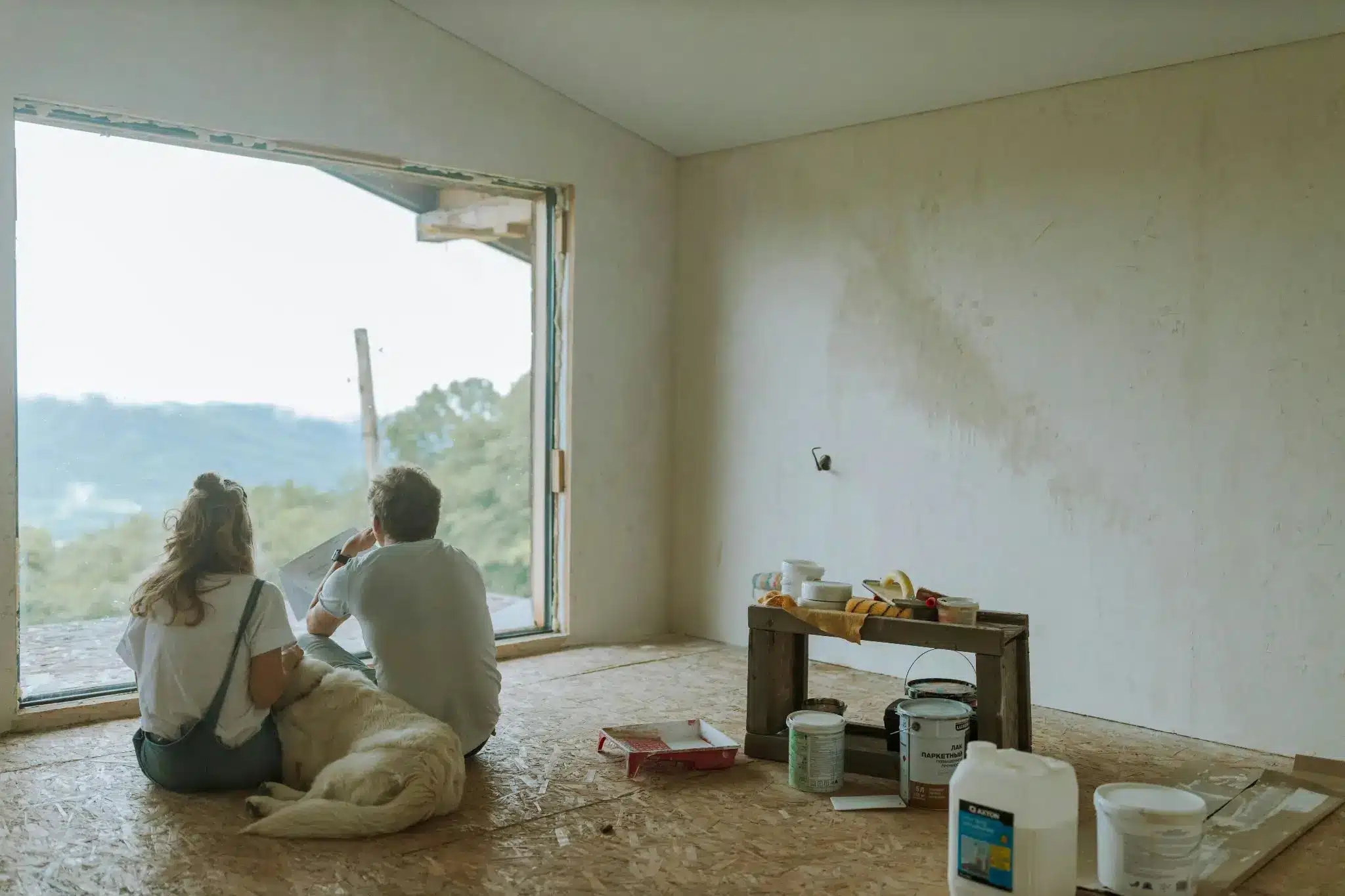

Owning a home can feel like a series of small decisions that never fully end. A buyer chooses a property, then learns how it behaves over the seasons, wear and tear, and family life. Repairs appear, upgrades become tempting, and unexpected problems arrive at inconvenient times. Reliable guidance keeps that journey calmer and more cost-effective. Particularly in the early stages, professional home advice can help people avoid mistakes that are difficult to reverse.
Early Choices Shape Later Stress
The ownership journey starts before the keys change hands. A property viewing is not only about layout and neighbourhood. The condition of the roof, drainage, electrics, and heating will influence future spending.
Trusted guidance helps a buyer ask the right questions. Which parts of the building are older than they look? What work has been done, and whether it was signed off on. How insulation and ventilation affect comfort and bills. A good survey is part of this stage, yet it still needs interpretation. Plain-language explanations help a buyer understand what is urgent, what can wait, and which notes primarily caution rather than indicate imminent risk.
A Maintenance Mindset Prevents Big Bills
Once a home is occupied, small issues can escalate when they are ignored. A minor leak can damage ceilings. Blocked gutters can cause damp. Loose tiles can let wind-driven rain into a loft space. Trusted advice supports a simple routine. Check rooflines after storms. Clear gutters before winter. Test smoke alarms and carbon monoxide detectors. Bleed radiators when the heating feels uneven. Look for hairline cracks that widen, as they may signal movement or water issues. None of these tasks is complicated, yet they save money by catching problems before they spread.
DIY Works Best With Clear Limits
Doing it yourself can be satisfying and sensible when the risk is low. Painting, basic sealing, flat-pack assembly, and simple draught-proofing are often manageable with careful preparation. Even then, good guidance matters. Many DIY failures stem from skipped steps, such as inadequate surface cleaning or incorrect materials for damp areas.
Clear limits protect both the building and the homeowner. Structural changes, gas work, and major electrical jobs should not be treated as weekend tasks. The same applies to any work that affects waterproofing, including roofs, bathrooms, and external masonry repairs. Knowing when to stop is a skill. A cautious approach also avoids the pattern in which a small attempt leads to a larger professional fix later.
The Value Of Skilled Trades
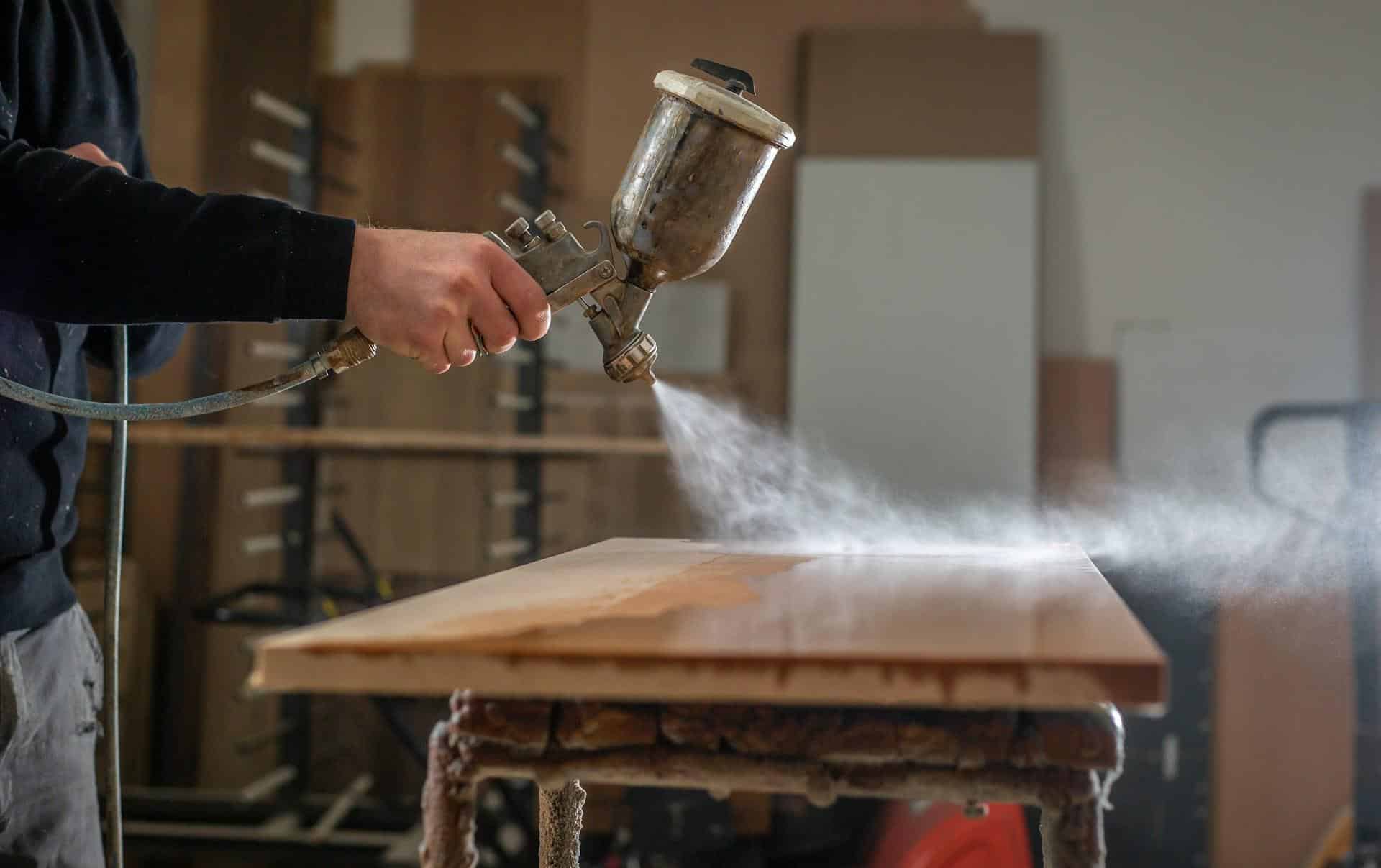
Professional care is not only about technical ability. Good tradespeople bring judgment. They can identify the root cause, not just the visible symptom. Consider damp as an example. A stain might look like a leak, yet condensation can create similar marks. A trained eye checks ventilation, insulation, and cold bridging before recommending a solution. The same logic applies to cracking, which can be cosmetic or a sign of movement. A skilled professional can explain the difference, recommend monitoring, and avoid unnecessary work.
Choosing help is easier when advice is trusted. Look for clear quotes, transparent scope, and explanations that match what you see in the home. Ask what is included, what is excluded, and how long the work should last. A professional who welcomes questions usually has nothing to hide.
Planning Improvements With Purpose
Upgrades often start with an idea, yet the best results come from planning around function. A new kitchen can improve daily life, but only if plumbing, electrics, ventilation, and layout are thought through first. A bathroom refresh can fail if waterproofing is treated as an afterthought.
Trusted guidance helps homeowners prioritise. Energy improvements, such as loft insulation, draught reduction, and efficient heating controls, often pay back faster than cosmetic changes. Storage, lighting, and ventilation upgrades can also improve a home’s feel without major structural work. When larger projects are planned, advice helps align design choices with long-term durability, not short-term appearance.

Seasonal Knowledge Makes Homes Easier To Run
Homes behave differently in winter than in summer. Cold weather reveals draughts, condensation, and heating inefficiencies. Warmer months can highlight drainage issues, pests, and outdoor wear.
Seasonal advice helps homeowners act at the right time. Winter is the season for moisture control, heating checks, and roof inspections after heavy winds. Spring suits external repairs, paintwork, and garden drainage. Summer is ideal for ventilation improvements and loft work. Autumn is a time to clear gutters, check seals, and prepare for storms. This rhythm reduces emergency callouts by addressing predictable issues early.
Building A Personal Home Record
Memory is unreliable when home issues repeat years apart. A simple record can improve decision-making. Keep notes on paint colours, appliance models, service dates, and past repairs. Store receipts, guarantees, and the contact details of trusted trades.
This record also helps when selling. Buyers often ask about recent work, maintenance history, and warranties. Clear documentation builds confidence and can reduce negotiations caused by uncertainty. It also helps new owners take over without repeating avoidable mistakes.
Advice That Supports Confidence
Home ownership is easier when decisions are guided by clarity rather than guesswork. Trusted advice links buying decisions to maintenance routines, DIY boundaries, and professional support. It also helps people plan upgrades with purpose and respond to seasonal changes before issues take hold. Over time, that steady guidance protects the property, reduces costs, and turns a house into a place that feels managed rather than constantly demanding.