
Wooden planters are the easiest way to turn a flat, boring deck into a cozy outdoor retreat. Whether you have a massive patio or a tiny apartment balcony, wood adds a natural warmth that plastic or metal just can’t match.
The right styling can make your outdoor space feel like a real room. You can use tall cedar boxes to create a privacy wall or group small oak pots to build a colorful corner garden. If you want to level up your home’s curb appeal, it all starts with how you arrange your greenery.
Here are some of the best ways to style wood planters to make your patio look professional and inviting:
Frame the Space With Wood Planters
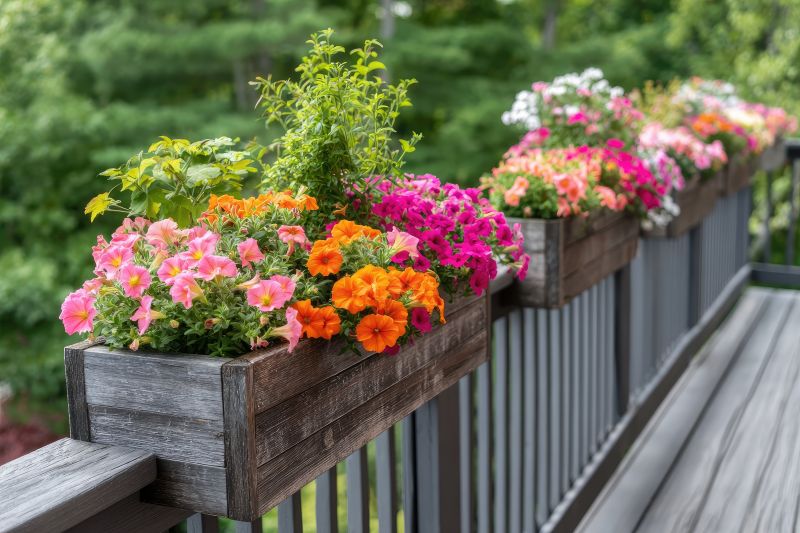
Using wooden planters to frame a patio or deck can create structure without closing the space off. Along deck edges or railings, deck rail planters can outline the area while keeping views open. On ground-level patios, planter boxes placed near the perimeter can guide the eye and make the space feel more intentional.
This approach works well when the planters share a similar shape or wood tone. A row of outdoor patio planters can act like a soft border, especially when filled with greenery that doesn’t grow too tall. The goal is to define the space gently, not to build a wall.
When looking for wooden planters, choose options that prioritize durability and natural finishes over flashy designs. For example, if you want outdoor planters, natural wood planters made from cedar can be excellent choices because they resist rot and bugs without the need for harsh chemicals.
Mix Heights for Visual Interest
Varying the height of wooden planters can add depth and movement to a patio or deck. Taller options like an elevated cedar planter box can draw attention upward, while shorter boxes can ground the layout. Mixing heights keeps the arrangement from feeling flat or repetitive.
This idea works best when the design stays consistent. Similar finishes or wood grain patterns can tie different sizes together. A raised garden bed paired with lower outdoor planters can feel balanced when spacing stays relaxed and open.
Create Cozy Corners
Corners often get overlooked, but they can become some of the most inviting spots on a deck or patio. Wooden planter boxes placed around seating can shape a cozy nook without making it feel boxed in. This setup can work well near a lounge chair, bench, or small table.
Slim planter boxes can fit into tight spaces without crowding the layout. Adding greenery behind or beside seating can soften hard lines and make the area feel more personal. Over time, these corners can change as plants grow or get swapped out.
Style With Color and Texture
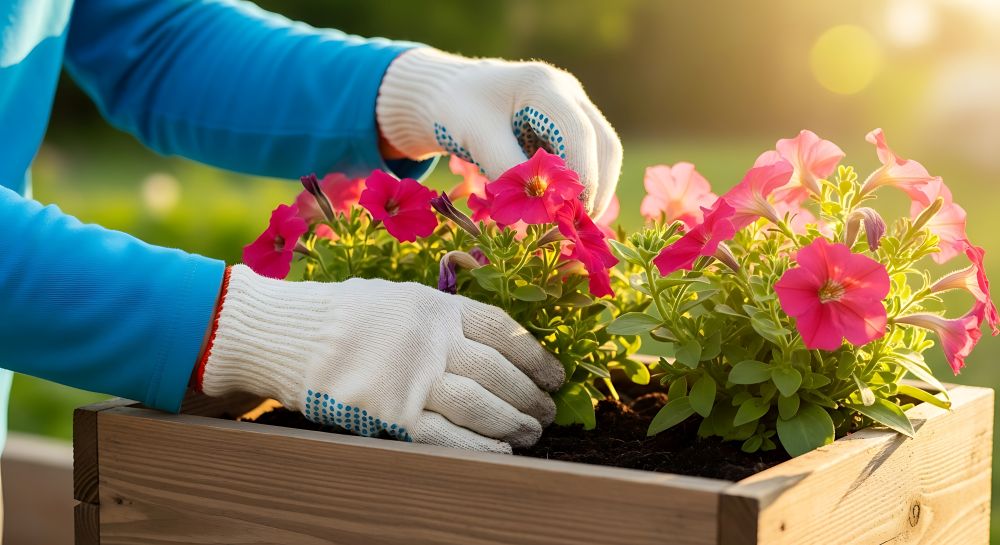
Wood provides a neutral base that can support many color choices. Green foliage can keep the look calm, while flowering plants can bring life to the space. Vibrant gardens can take shape when colors are repeated in small doses rather than spread everywhere.
Texture matters as much as color. Rougher finishes can feel casual and relaxed, while smoother wood can suit cleaner designs. Combining different leaf shapes and planter textures can add interest without overwhelming the patio or deck.
Group Planters for Balance and Layering
Grouping garden planter boxes makes a space feel fuller and more connected. A cluster of two or three wooden planters usually feels more natural than single pieces spread far apart. To keep the arrangement from feeling cluttered, leave enough space between each box for the grouping to breathe.
Placement also affects the overall mood of the deck. Symmetrical groups near entrances feel calm and orderly, while asymmetrical clusters in corners feel relaxed and casual. Trying different positions before settling helps you find a balance that feels intentional rather than forced. This layered approach works for any size space, as long as you mix plant types to keep the variety high.
Use Wood Planters to Separate Zones
Open patios and decks often serve more than one purpose. Wood planters can suggest different zones without blocking movement. A line of outdoor planters can hint at where the dining area ends, and the lounging space begins.
Taller planter boxes can offer a sense of privacy, while lower ones can keep the space feeling open. The separation stays flexible, which can matter if furniture or layouts change later on.
Embrace Seasonal Styling Without Major Changes
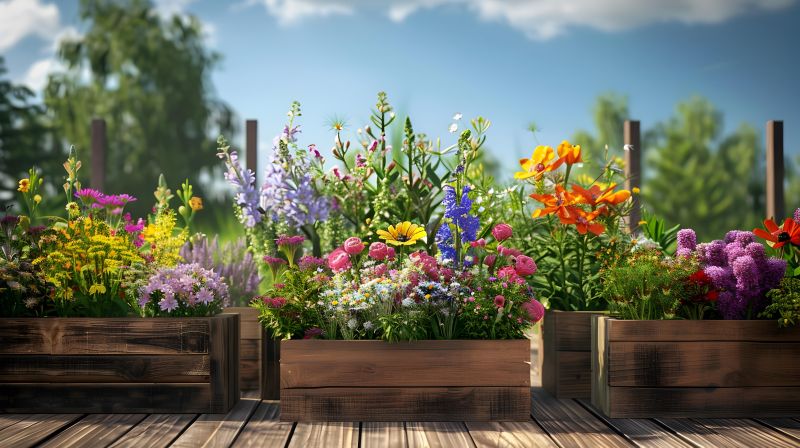
Wooden planters can adapt to seasonal shifts without major updates. Changing plants or adding small accessories can refresh the space while keeping the base layout the same. In warmer months, lighter colors and trailing plants can feel open and airy.
As seasons change, structured greenery or subtle accents can keep the patio or deck looking cared for. Plastic liners inside planter boxes can make it easier to swap plants without disturbing the wood. These small adjustments can keep the space feeling current.
Match Planters With the Deck or Patio Style
Styling works best when wooden planters feel connected to the surrounding space. Modern decks may suit simple shapes with clean lines. More relaxed patios can work with handcrafted wooden planters that show natural variation.
Exact matching is not required. Echoing one detail, such as color or finish, can tie everything together. A wooden planter box with a tone similar to the deck boards can feel cohesive without blending in too much.
Try Small Details That Add Personality
Details can make wooden planters feel more personal. Trellis planters can add height and interest, especially in smaller spaces. They can support climbing greenery without taking up much floor space.
A bespoke design can also reflect personal style, whether through custom sizing or unique finishes. These touches can make the patio or deck feel intentional without appearing overdesigned.
Choose Finishes That Fit the Setting
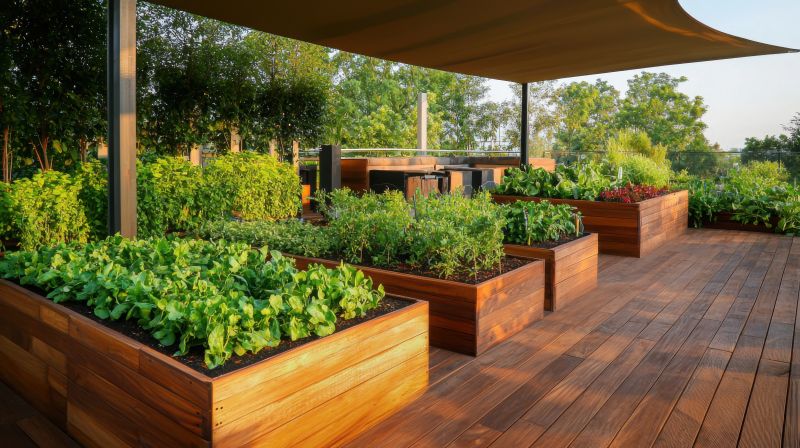
The finish of a wooden planter can influence the overall mood of the space. Natural finishes can blend easily with outdoor spaces, while painted options can add contrast in a subtle way. Muted tones often feel easier to live with over time.
Some planters are designed as weather-resistant outdoor wood flower planters, while others may age naturally. Both options can work, depending on the look you prefer. Over time, wear can add character or inspire a simple refresh.
Conclusion
Wooden planters can transform patios and decks into inviting, flexible spaces. With the above tips, you can create cozy corners, define zones, and add visual interest. Start with one or two quality pieces and build from there. The beauty of wooden planters is that they improve with time. You can swap out plants with the seasons or move boxes around when the mood strikes. Even a small deck or patio can feel welcoming and balanced when wooden planters are styled thoughtfully.