


Ever thought your kitchen looked spotless but then a glass of water tastes a bit off, or the ice comes out cloudy for no real reason? Most people don’t really notice it but those tiny things tucked away, like the fridge’s water filter, are doing way more work than you think. Even the cleanest kitchens can hide bacteria, mold, chemical leftovers and those little appliance issues that quietly affect your home’s health.
The nice thing is you don’t need some huge makeover to fix it. Just a few simple habits like wiping things down, checking appliances and keeping water filters updated, can shift everything. It’s kind of like giving your kitchen its own little checkup. And even swapping an old filter for a new one stops problems before they show up.
The Hidden Health Risks Lurking in Your Kitchen
It’s easy to believe that if the counters shine and the floors are swept, then everything’s safe. But some hazards are sneaky. Bacteria hang out in damp corners, mold hides inside drawer seals and chemical residue sticks around even when surfaces look clean.
Everyday appliances like the fridge or dishwasher can collect contaminants quietly if you skip maintenance. Luckily, tiny regular habits keep most of it in control. A few minutes every week honestly goes a long way toward a healthier kitchen.
Contaminated Water: The Most Overlooked Kitchen Risk
Why Water Quality Matters for Cooking & Drinking
Water isn’t just something you drink. It’s in coffee, cooking, baby formula, ice everything. So when the quality slips, it affects more than taste. Tap water can carry chlorine, lead, sediment, microplastics and sometimes chemicals your local treatment plant doesn’t fully remove. And thinking my water looks fine doesn’t always mean much. A weird metallic taste or chemical smell is usually a quiet warning.
Signs Your Kitchen Water May Be Unsafe
Sometimes it’s obvious, sometimes it’s sneaky. You might spot:
- Metallic or chlorine smell
- Cloudy ice
- Slow dispenser flow
- Bitter or strange-tasting water
- Tiny colored particles
Ignoring these signs lets contaminants stack up over time. Paying attention early saves trouble later.
How Water Filters Reduce Kitchen Health Risks
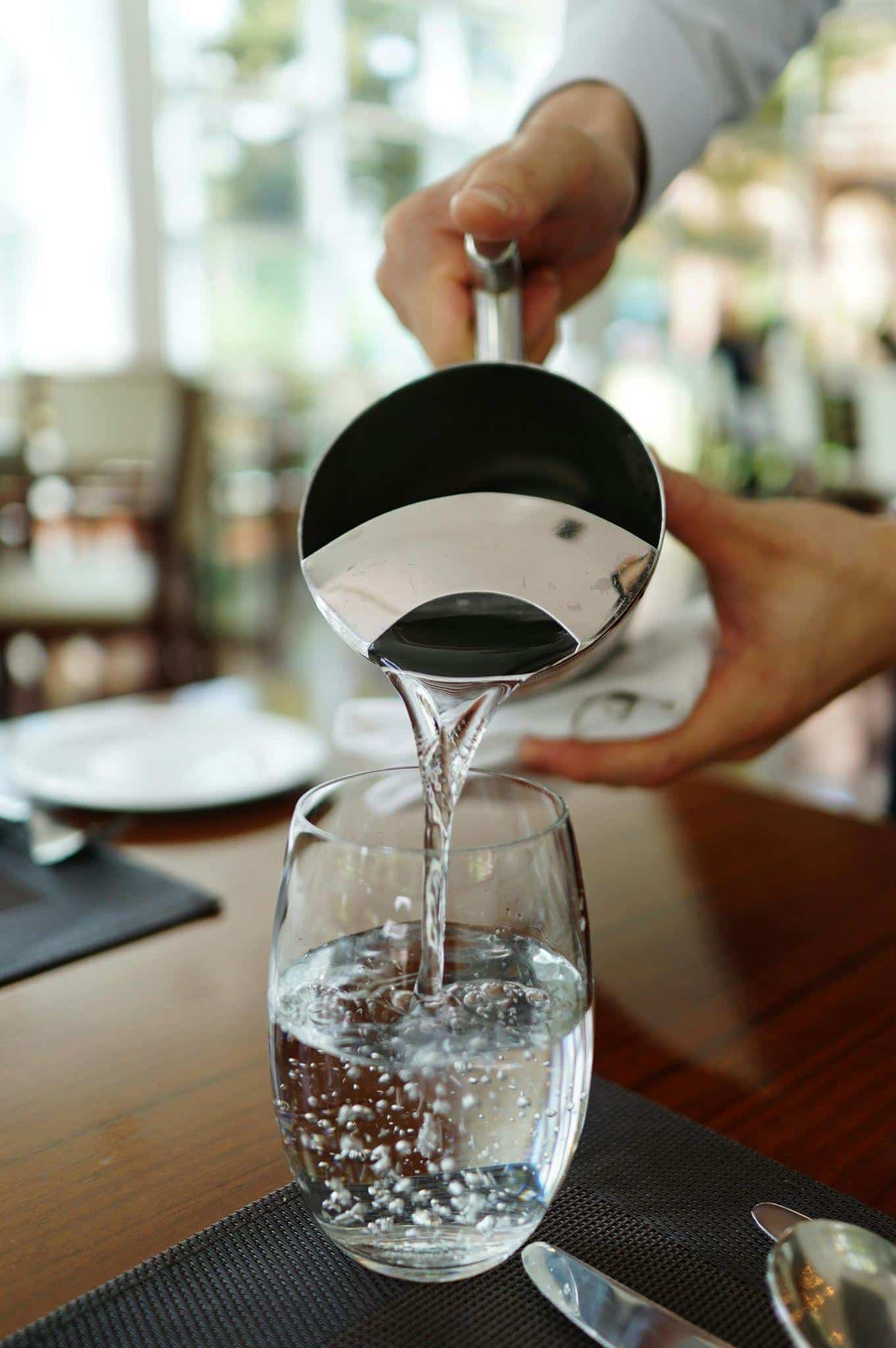
Fridge water filters do more than you’d think. They catch sediments, reduce chlorine and cut down impurities so water and ice stay cleaner. Coffee tastes better, baby formula stays safer and ice doesn’t look cloudy. Filters also slow bacterial buildup inside the fridge system, so the benefits stick around long-term too.
Essential Water-Related Maintenance Tasks You Shouldn’t Skip
Replace Your Refrigerator Water Filter Every 6 Months
A filter that stays in too long doesn’t just stop working well; it can become its own source of contamination. Once clogged, it lets bacteria or impurities slip through, messing with taste, water flow and ice quality. Swapping it every six months or around 200 gallons keeps things in good shape.
A Trusted Filter Option for Many Frigidaire Refrigerators (ULTRAWF)
If you have a Frigidaire, picking the right filter matters. The ULTRAWF filter is a popular pick; it removes sediments, improves taste and keeps ice clear. Replacing it on time helps prevent bacteria growth and keeps the whole water system steady. It’s a small task with a surprisingly big impact on kitchen safety.
Dirty Appliances: Another Hidden Kitchen Hazard
The Fridge
Even your fridge can become a problem spot. Mold hides in crisper drawers and rubber seals. Dusty coils waste energy. Expired food left too long can contaminate things around it.
The Dishwasher
Dishwashers are sneaky too. Food bits get stuck in filters, hard-water minerals build up and mold grows in door seals. Without maintenance, your clean dishes might not be so clean.
The Oven & Stove
Ignoring the oven and stove can be risky. Grease buildup causes smoke or even fires. Gas appliances, if not checked, can leak or produce carbon monoxide. Cleaning here isn’t just for looks; it’s about safety.
Food Safety Risks Most Homeowners Forget
Cutting Boards
People tend to overlook their cutting boards because these surfaces develop bacterial growth when they remain unclean. Wood surfaces maintain their ability to heal from germs but they require frequent cleaning while plastic surfaces need quick sanitizing but develop scratches that attract bacteria.
Kitchen Sponges & Cloths
Sponges and clothes are basically bacteria hotels. Replacing them every 1–2 weeks helps stop mold and contamination.
Sink & Drain Area
Sinks and drains can grow hidden mold or biofilm. Cleaning them often prevents germs from spreading to dishes and hands.
|
Item |
Replacement/Cleaning Frequency |
Why It Matters |
|---|---|---|
|
Water filter |
Every 6 months |
Reduces contaminants |
|
Cutting boards |
Replace yearly |
Prevents bacteria buildup |
|
Sponges |
Every 1–2 weeks |
Avoids mold and germs |
|
Fridge coils |
Every 6–12 months |
Improves efficiency |
How Regular Maintenance Protects Your Home
Better Health & Hygiene
Updating filters, wiping surfaces and sanitizing tools cuts down bacteria and contaminants. It keeps your family’s water, food and air healthier.
Longer Appliance Lifespan
Appliances last longer when they’re maintained. Dusty coils or clogged filters force them to work harder than needed.
Lower Utility Bills
Clean appliances run more efficiently and use less energy. A small weekly habit can save money over time.
Fewer Repairs Over Time
Regular maintenance stops tiny issues from turning into expensive repairs. It’s easier to keep things steady than to fix them later.
Your Kitchen Health Maintenance Checklist
- Replace fridge water filter every 6 months
- Clean dishwasher filter monthly
- Wipe fridge drawers and shelves weekly
- Wash reusable water bottles daily
- Deep-clean sink and drain weekly
- Sanitize cutting boards after raw meat
- Replace kitchen sponges frequently
- Keep fridge temperature below 40°F
- Clean refrigerator coils
- Store food properly to prevent cross-contamination
Doing these small things keeps your kitchen safer, cleaner and helps appliances work better over time. Little habits really do prevent the bigger headaches later.