Most of us build a bedroom around how we like to rest. We think about cozy layers. Pretty ambient lighting that feels soft at night. We picture a space that helps us slow down.
Then an older loved one becomes part of the home. And you start to see the bedroom differently. That chair looks too low. The walkway feels tight. The bed might be too high. When you have a senior living with you, bedroom design needs more care. Here are eight thoughtful updates that bring comfort and ease for them from day to night.
Supportive, Easy-Access Bed
Some beds can be hard to use for older adults. The height might be off. The mattress sinks too much. Getting in and out takes too much effort. Accessibility is important in home design for aging in place. So, apply it to the bed.
Start with height. When your loved one sits on the edge, their feet should rest flat on the floor. No tiptoeing. No sliding down. Choose a medium-firm mattress. Make sure it holds its shape. Add a sturdy bed frame that doesn’t wobble. You can even place a slim bench nearby for support. Bedtime will feel inviting for them again.
Alternating Pressure Air Mattress
Some seniors spend more time in bed than others. Maybe they’re in recovery. Or have limited mobility. A regular mattress may look plush. But it can press on the same spots for hours. That pressure can build slowly. Over time, it can lead to discomfort. You don’t want your loved one to develop painful, severe bedsore symptoms.
An alternating pressure air mattress gently shifts weight across the surface. It changes pressure points when needed. Your loved one’s body will feel the difference. Pair it with soft, breathable sheets. That way, it doesn’t feel so clinical. Your loved one gets relief and less strain on the skin.

Temperature-Regulating Sheets
Temperature can make or break sleep. Many older adults feel too warm or too cold at night. Thick sheets trap heat. Thin ones leave them chilly. It becomes a nightly struggle that repeatedly interrupts rest.
Go for fabrics that adapt. Think cotton percale for breathability. Bamboo blends for a cooler touch. Go for cooling bedsheets in the summer. Then, switch to slightly warmer weaves when the air turns cool. The bed stays inviting through every season. Sleep feels deeper. Nights get calmer.
Non-Slip Flooring
Floors often get ignored in bedroom design. But for seniors, they matter. Slippery surfaces can make walking risky. Socks glide too easily. Loose rugs shift underfoot. It could easily lead to a fall.
Anchor every bedroom rug with a strong grip pad. Choose low-pile textures that don’t bunch up. If you’re updating floors, go for matte finishes. Or materials with natural traction. Like textured vinyl plank or perhaps cork flooring. Every step should feel secure. This provides your loved ones with stability as they move.
Soft, Layered Lighting
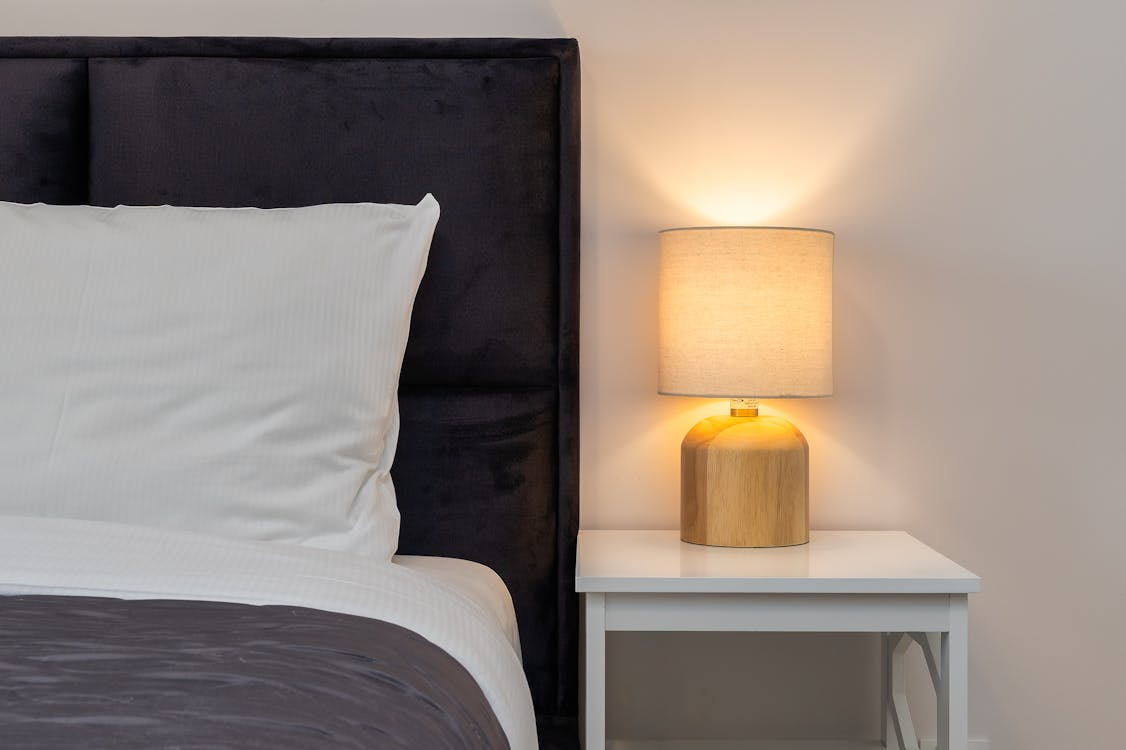
In the bedroom, lighting guides movement. It helps the eyes adjust. For seniors, harsh lights can feel blinding. At the same time, dim corners create uncertainty. Your loved one can bump into corners they don’t see properly. That’s why lighting for aging in place calls for a mix. Not just one overhead glow.
Layer lights gently. Add a bedside lamp with a warm bulb. Maybe a soft nightlight along the path to the bathroom. Each layer serves a purpose. The room stays calm. Never harsh. Shadows soften. Edges become clearer. Moving around at night won’t be so risky.
Easy-to-Reach Bedside Storage
A nightstand that’s too low or too high poses a problem for seniors. Reaching too far can strain the body. Bending down can feel risky. Something as simple as grabbing their glasses becomes harder.
Keep everything within easy reach. Choose a nightstand that lines up with the mattress’ height. Add a small tray for essentials. Avoid deep drawers that require digging around. The goal is ease. When everything sits where it should, there’s less effort and strain.
Clutter-Free Pathways
Bedrooms for seniors can’t be cramped with extra chairs or decorative pieces. It’s not good for someone who moves more carefully. One wrong step can lead to a stumble.
So, open up the walkways. Create a clear path from bed to door. Then from bed to bathroom. Remove anything that interrupts that flow. Keep furniture spaced out. You don’t need to strip the room bare. Just move stuff around with care. That way, your loved one will be able to walk through their own room without worry.
Contrasting Colors for Depth Perception
As vision changes, depth can become harder to read. Light blends into light. A room that looks soft and airy to you might come off flat in the eyes of someone older. That makes it harder to judge distance.
Use contrasting colors to help them see where one surface ends and another begins. Pair a serene wall color with deeper-toned furniture. Try hardwood floors in a richer shade to stand apart from lighter rugs. Choose bed linens that don’t fully match the wall. These help define the space. They make it easier to read. That clarity makes every movement feel more assured.
Conclusion
Think about the moments that happen in this room. Seniors getting in and out of bed. Reaching for the lamp at night. Walking to the bathroom in the middle of the night. When those moments are smooth, the whole space becomes kinder.
Focus on the pieces that carry the most weight. A supportive mattress. Clear walkways. Gentle lighting. Each update builds a room that supports your elderly loved one. The result? Better sleep. Fewer calls for help. If bedtime becomes their favorite part of the day again, you’ll know you did something right.