Lucite nightstands offer a clean, airy feel that works well in many bedroom styles. Their transparent surface creates a light visual footprint, making them ideal for smaller or minimalist spaces. However, the challenge lies in pairing them with elements that bring softness and warmth.
A Clear acrylic (lucite) night stand for your bedroom becomes more visually compelling when surrounded by rich textures and thoughtful decor. The goal is to soften the clear surface with natural materials, earthy finishes, and objects that add depth. Below are five focused tips to help create a cohesive and warm setting.
Pair With Natural Wood Finishes
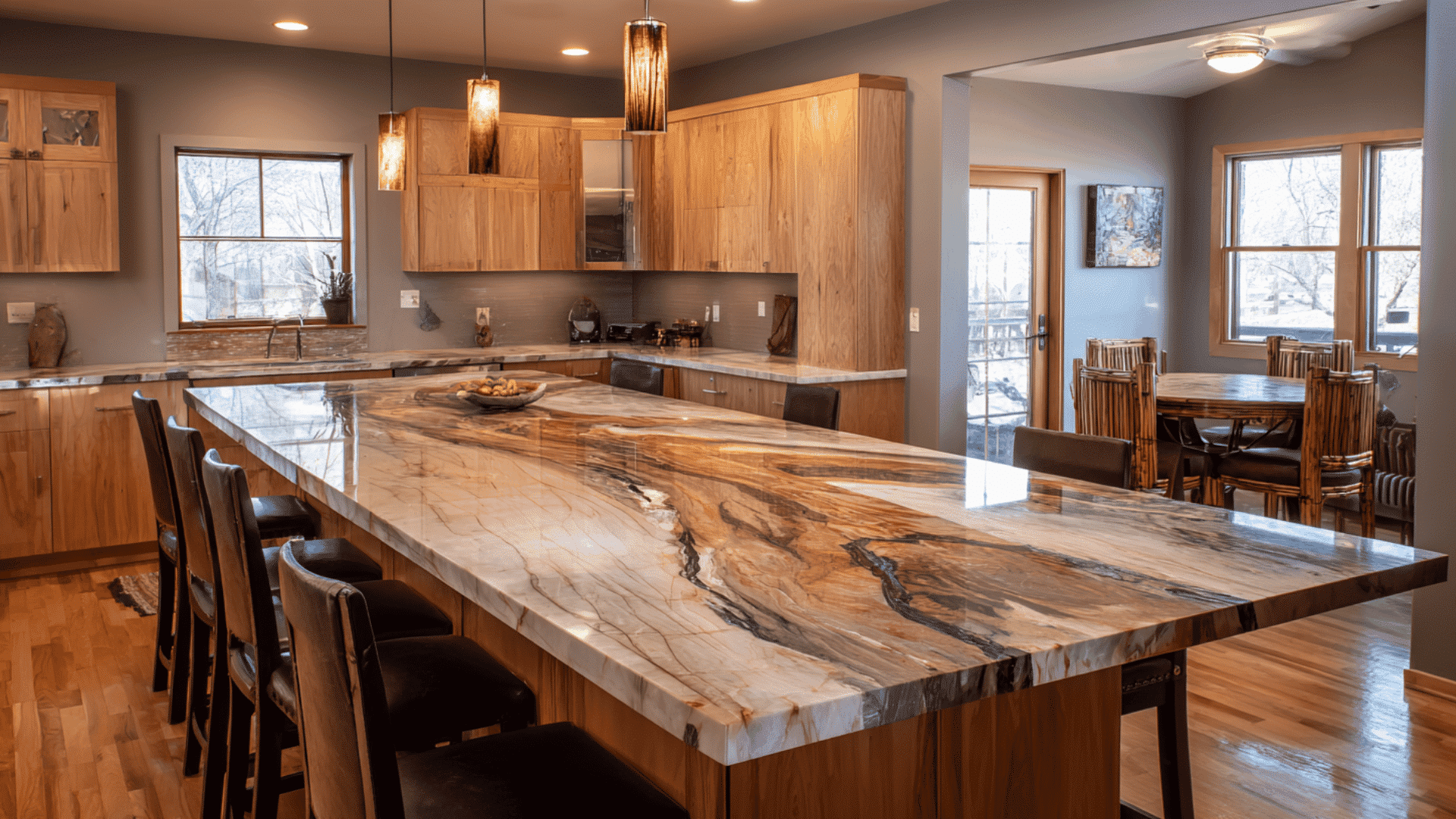
Natural wood finishes provide a grounded contrast against the clear surface. The visible grain and warm tones of wood help offset the modern, sleek appearance of lucite. Select furniture or accents in oak, walnut, or ash that offer visual texture without overwhelming the space.
Keep the scale of the wood elements in harmony with the nightstand. Overly large or bold pieces may reduce visual clarity. Instead, choose nightstand accessories such as a wooden tray, a picture frame, or a lamp base with soft edges. These materials complement the transparency without pulling too much attention away from it.
Add Layers With Cozy Fabrics
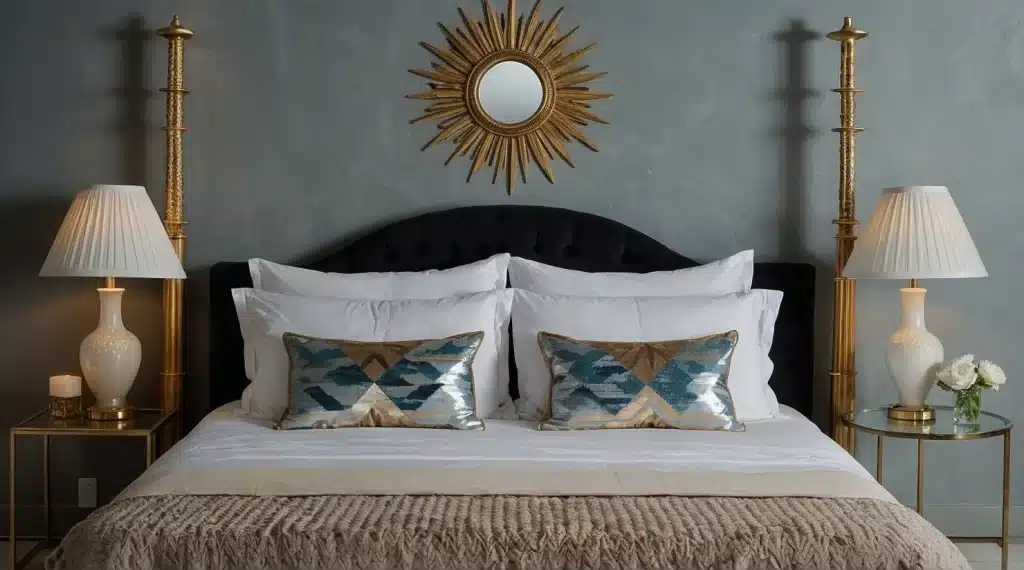
Fabrics are essential for softening the look of Lucite. Introduce woven throws, cotton bedding, or textured pillows to surround the space with tactile warmth. These pieces contrast well with the nightstand’s smooth surface and help build comfort. Use soft neutrals like cream, slate, or taupe for a cohesive feel.
Create gentle visual depth by mixing fabric types in small areas around the nightstand. Try combining a boucle accent chair with a quilted comforter or a woven pouf. These touches allow the lucite to shine while the room still feels comfortable and personal.
Introduce Earth-Inspired Colors
Earth tones help anchor lucite within a warm palette. Shades like rust, olive, sand, or clay bring natural color without making the design too busy. These colors work well in rugs, planters, wall art, and small decorative pieces. They help the eye settle and add a sense of calm.
Avoid overly bright accents, which may conflict with the room’s restful tone. Focus on rich, grounded colors that support the lucite’s neutral nature. Try pairing a clay-toned vase with a muted olive throw to balance color while reinforcing texture.
Use Light to Enhance Texture
Thoughtful lighting elevates both function and atmosphere. A warm-glow bedside lamp adds comfort and helps highlight surrounding textures. Choose a shade made of linen, rattan, or frosted glass to introduce a gentle visual break. Position lighting to cast soft shadows around the nightstand area.
Use ambient lighting to reflect off the Lucite’s surface without glare. A ceiling pendant with a matte finish or a directional sconce adds interest while remaining subtle. Consider the temperature and diffusion of each light source for a cohesive and cozy environment.
Decorate With Organic Shapes
Organic forms break up the geometric precision of a lucite nightstand. Rounded decor pieces, abstract sculptures, and soft-edged accessories bring an organic flow. Here’s a quick guide to useful items that add shape and warmth:
- Unglazed clay vessels
- Loop-handled trays
- Pebble-shaped stones
- Soft dome-shaped lamps
- Smooth-edged glass decor
Where to Find Timeless Designs That Prioritize Versatility
Readers interested in refined acrylic furniture sometimes seek makers who value clarity, balance, and thoughtful construction. Some design-focused studios concentrate on clean forms that pair well with warm materials. Their approach highlights precision, durability, and visual harmony. Such qualities support interiors that aim for calm, order, and comfort.
Look into collections that offer clean silhouettes, durable materials, and thoughtful proportions that suit a Clear acrylic (lucite) night stand for your bedroom. Attention to proportion, finish, and usability sets these offerings apart. Learning more about these makers helps readers make confident, informed design choices.