There’s something really special about spending an afternoon making things with your hands. No notifications, no to-do list creep, just you, a craft, and a cup of tea going cold on the side table.
Whether you’re new to handcrafts or coming back to something you loved years ago, picking up a creative hobby is one of the most rewarding ways to spend time at home. And the good news? You don’t need a dedicated studio or a huge budget to get started.
Why Slow Crafting Is Having a Moment
The idea of “slow living” isn’t just a trend anymore , it’s a genuine shift in how people want to spend their time. More and more people are stepping away from passive screen time and choosing hobbies that actually produce something: a finished quilt block, a framed stitch, a hand-sewn cushion cover.
There’s a real sense of satisfaction in holding something you made. It’s tactile, personal, and entirely yours. Crafting at home also has a quietly meditative quality that’s hard to replicate any other way.
The creative hobby space is also becoming far more accessible. Better quality supplies are easier to find online, beginner-friendly kits are genuinely good now, and communities around these crafts are warm and welcoming.
Starting with Sewing: Getting the Basics Right
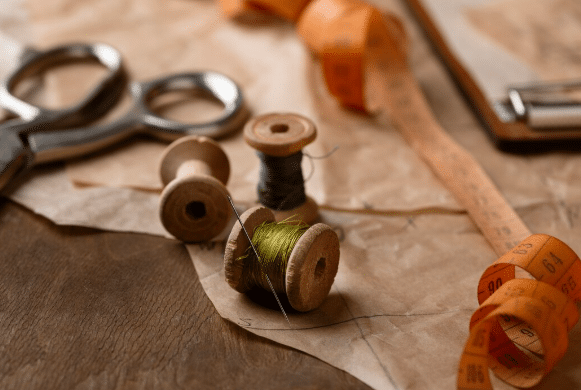
If you’ve been thinking about learning to sew or getting back into it after a break, starting with the right materials makes everything easier. A wobbly seam is often less about technique and more about thread that frays, tangles, or snaps mid-stitch.
Thread quality matters far more than most beginners realise. Good thread sits smoothly in the machine, holds tension well, and doesn’t shed lint all over your bobbin case. It’s one of those things that quietly improves everything once you switch.
Rasant thread is a popular choice among quilters and sewists for exactly this reason. It’s a fine, strong polyester-cotton blend that’s widely trusted for both hand and machine sewing. If you’re in Australia and looking to stock up, you can shop Rasant thread in Australia with a good range of colours available , perfect for everything from patchwork to garment sewing.
Getting your supplies sorted early means fewer interruptions mid-project. Once you’ve got thread you trust, the actual stitching becomes the fun part.
Building a Sewing Space at Home
You don’t need a whole room , a corner of a spare bedroom or even a folding table set up in the lounge works perfectly well. What matters more is having a dedicated spot where your supplies live and where you can sit down and pick up where you left off without unpacking everything first.
Good lighting, a comfortable chair at the right height, and a small set of drawers or containers for your threads and notions will take you a long way. A simple sewing setup that’s easy to access is one you’ll actually use.
For more ideas on setting up creative spaces at home that are both functional and beautiful, the DIY Crafts and Projects section here on The Painted Hinge has plenty of practical inspiration to get you started.
Cross Stitch: The Craft That’s Genuinely for Everyone
Cross stitch has had a serious revival in recent years, and it’s easy to see why. It’s portable, affordable, and incredibly satisfying to work through. There’s something wonderfully straightforward about counting squares and watching a picture emerge, one small X at a time.
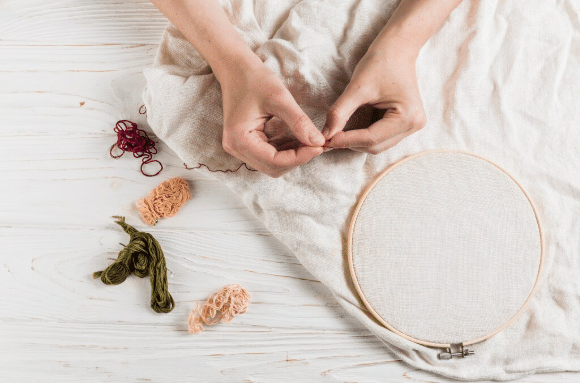
It’s also one of the most beginner-accessible needle crafts out there. You don’t need a machine, you don’t need to understand tension or bobbins , you just need a hoop, some fabric, thread, and a pattern.
That said, starting with the right kit makes a genuine difference. A well-designed beginner kit gives you everything in one place: the fabric, the threads, the needle, and a clear pattern. You’re not hunting for missing supplies or guessing at thread counts before you’ve even started.
If you’re based in Australia and looking for somewhere to browse, picking up a cross stitch kit in Australia is a great way to find both beginner sets and more detailed designs for experienced stitchers. There’s a huge range of styles available, from simple florals to more intricate landscape scenes.
Cross stitch is also one of those hobbies that travels incredibly well. A small project tucked into a bag means you always have something to work on during commutes, waiting rooms, or slow Sunday mornings.
Choosing Your First Cross Stitch Project
Start smaller than you think you need to. A 14-count aida fabric with a simple design is far more forgiving for a first project, and finishing something small feels genuinely great. Save the ambitious 40-colour landscape for when you’ve got a few projects under your belt.
Neutral or light-coloured fabric tends to be easier to see the grid on, which reduces eye strain as you count. Good scissors , the little embroidery kind , and a decent hoop that holds tension well are the other two things worth spending a little more on.
Once you finish your first piece, framing it is really worth doing. A simple wooden frame or an embroidery hoop hung on the wall turns your work into actual home decor.
Bringing Wellness Into Your Creative Routine
Creative hobbies and wellness go hand in hand more than people realise. Crafting slows your breathing, focuses your attention, and gives your nervous system a genuine break from the constant decision-making of everyday life. Many people describe it as meditative, and there’s growing evidence that regular creative activity supports mental wellbeing in real, measurable ways.
It makes sense, then, to pair your creative hobby time with other rituals that help you feel good. For a lot of people, that means building in a short movement practice , a yoga flow in the morning, a pilates session before the kids wake up, or a gentle stretch before sitting down to sew.
If yoga or pilates is already part of your routine, or you’ve been thinking about starting, one of the things that actually matters more than most people expect is grip. Bare feet on a smooth mat can slip more than you’d think, especially during balance poses or when the mat starts to wear.
Making Space for What You Love
The through-line across all of these hobbies , sewing, cross stitch, yoga , is that they work best when they’re woven into your daily life rather than saved for some mythical block of free time that never quite arrives.
Ten minutes of cross stitch before bed. A short morning stretch before your coffee. An hour at the sewing machine on a quiet Saturday. It adds up quickly, and the cumulative effect on your mood and sense of satisfaction is real.
Setting up your home to make these habits easy is half the battle. When your craft supplies are organised and your yoga space is clear, actually doing the thing takes almost no effort. The habit forms because the friction is gone.
Final Thoughts
Slow hobbies are a kind of quiet resistance to a culture that values speed and productivity above everything else. They remind you that making something with your hands, moving your body, and spending an afternoon on something that brings you joy is genuinely worthwhile.
Whether you’re threading up a sewing machine for the first time, counting your first cross stitch grid, or rolling out your mat for a morning session, the best time to start is always right now.
Pick one thing. Get the supplies. Begin.