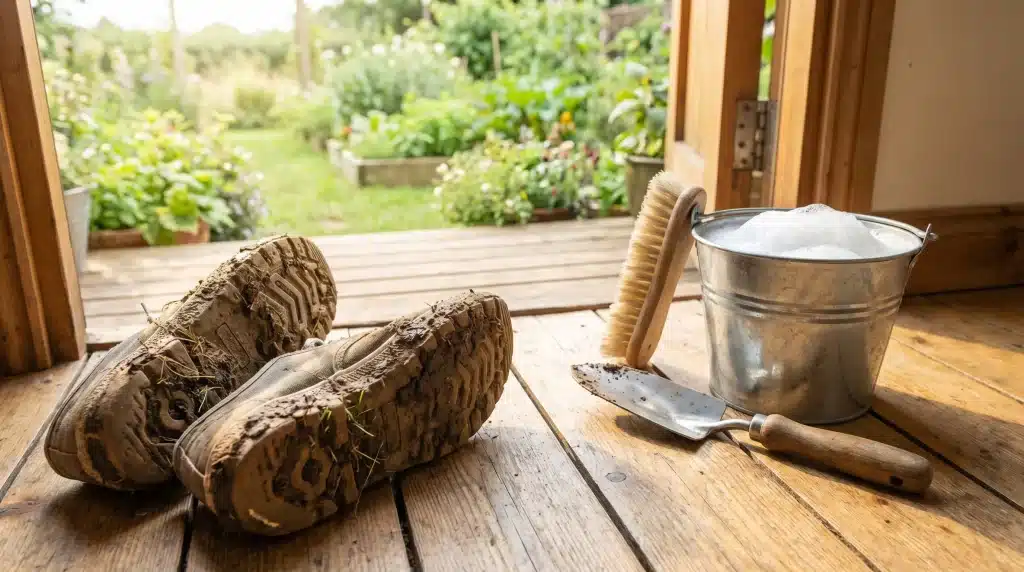
Spending time in the garden or working on home improvement projects is rewarding, but your shoes often take the brunt of it. By the end of a session they can be caked in mud, smeared with grass stains, or dotted with paint. Cleaning them does not need to be a long, frustrating process.
With the right tools and a simple technique, you can restore your footwear quickly. A shoe cleaning eraser sponge from ERASERS is one of the most effective tools for lifting stubborn scuff marks and dried mud from rubber soles and shoe uppers without scratching the surface. Pair it with a few basic household supplies and you have everything you need for a thorough clean.
This guide walks you through the best methods for cleaning muddy shoes after gardening or DIY work, covering canvas, leather, and rubber footwear, so you can choose the right approach for your shoes.
Why Garden and DIY Projects Are So Hard on Shoes
Outdoor and workshop tasks expose shoes to conditions that cause rapid deterioration. Mud packs into sole grooves and dries into a hard crust that is difficult to remove if left too long. Grass stains leave green pigment that bonds to fabric fibres. Paint splashes and chemical residue from garden treatments can leave permanent marks if not treated promptly. If you spend a lot of time in the garden, having a dedicated setup helps. A upcycled DIY potting bench is a practical addition that keeps tools organised and reduces the amount of mess you track indoors.
The material of your shoes also determines how easy they are to clean:
- Canvas and fabric trainers pick up stains easily but respond well to gentle scrubbing.
- Leather work boots are more durable but require specific products to prevent drying and cracking.
- Rubber Wellington boots are the simplest to clean since a quick rinse usually removes most mud.
Acting quickly is the most important factor. Fresh mud and wet stains are far easier to remove than dried, set-in grime. Getting into the habit of cleaning your shoes right after each gardening or DIY session will save significant effort over time.
What You Need to Clean Muddy Shoes
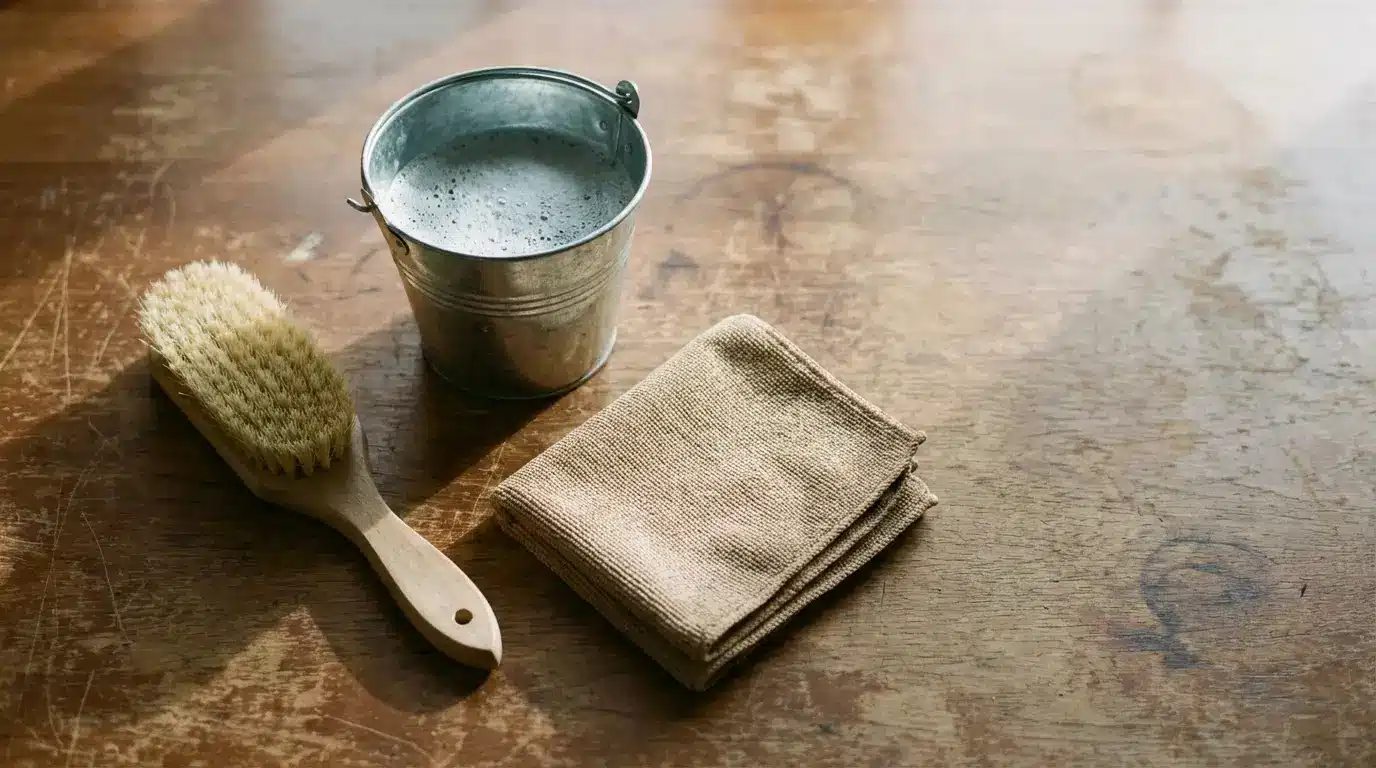
Before you begin, gather the following supplies:
- A soft-bristle brush or old toothbrush
- A bucket of warm water
- Mild dish soap or laundry detergent
- Microfibre cloths or old rags
- A shoe cleaning eraser sponge for scuff marks and rubber sole stains
- White vinegar for breaking down grass stains
- Baking soda for deodorising and lifting light stains from white shoes
Avoid bleach and harsh solvents on most shoe materials. These can cause discolouration on coloured fabrics and weaken rubber soles. If you are also dealing with paint or stain residue on your hands or other surfaces after a DIY session, this guide on paint removal made simple is a useful companion resource.
Step-by-Step Guide to Cleaning Muddy Shoes
Step 1: Let the Mud Dry Completely
It feels counterintuitive, but you should not attempt to clean wet mud straight away. Wet mud spreads further and pushes deeper into fabric and stitching. Allow the mud to dry fully, then knock the soles together over a bin or outdoor area to break off the hardened crust.
Step 2: Brush Away Loose Dirt
Using a dry stiff brush, work across the upper and sole of each shoe to remove loose dirt and flaking dried mud. Pay close attention to the welt, which is the seam where the sole meets the upper, as mud tends to collect there. A toothbrush is ideal for working into the tread grooves on the sole.
Step 3: Wash the Upper
For canvas and fabric shoes, mix a small amount of dish soap with warm water to create a light lather. Dip a soft brush or cloth into the solution and scrub the upper in gentle circular motions. Rinse the cloth often to avoid spreading dirt rather than removing it. If you have also picked up wood stain or varnish during a DIY session, this article on how to get wood stain off skin covers some of the same removal principles that can be adapted for fabric uppers.
For leather shoes, use only a damp cloth and a leather-safe cleaning product. Do not soak leather footwear in water, as this causes the material to stiffen and crack as it dries.
Step 4: Remove Grass Stains
Grass stains are stubborn because chlorophyll bonds to fabric fibres at a molecular level. Apply a small amount of white vinegar to the stained area with a cloth and leave it for a few minutes before scrubbing. For white canvas shoes, a paste of baking soda and water works well and helps lift the green tint without using harsh chemicals. Vinegar is genuinely versatile around the home as a cleaning agent. If you want to see another example of it in action, this guide on cleaning windows with vinegar shows just how effective it can be on different surfaces.
Step 5: Clean the Soles
Soles collect the heaviest dirt but are usually the easiest part to clean. Scrub the rubber sole with a stiff brush and soapy water to remove embedded grit and mud. For scuffs and discolouration on white rubber edges, a shoe cleaning eraser sponge is particularly effective. It lifts marks from the surface without scratching or damaging the material.
Step 6: Dry Your Shoes Correctly
Never put damp shoes in a tumble dryer or place them near a direct heat source such as a radiator. Heat warps rubber soles, shrinks fabric, and causes leather to crack. Instead, stuff each shoe with dry newspaper or a clean cloth to absorb moisture and help them hold their shape. Leave them to dry naturally in a well-ventilated area at room temperature.
How to Protect Your Shoes Before the Next Session
A few preventive steps can significantly reduce cleaning time after future gardening or DIY projects:
- Apply a water-repellent spray to fabric and leather shoes before outdoor sessions. This creates a protective barrier that makes mud and stains easier to wipe away.
- Keep a dedicated pair of shoes for outdoor work so your everyday footwear stays clean and undamaged.
- Place a sturdy doormat at your back door so you can remove the worst mud before stepping inside.
- Store a small cleaning kit near your back door to make post-session cleaning a quick, automatic habit.
The same principle of regular, simple maintenance applies to other outdoor items around your home. If garden furniture is part of your setup, this guide on how to clean patio cushions walks through an equally straightforward approach to keeping outdoor soft furnishings in good condition.
Final Thoughts
Cleaning muddy shoes after gardening or DIY projects is straightforward when you use the right approach and act before stains have time to set. A stiff brush, warm soapy water, white vinegar for grass stains, and a reliable shoe cleaning eraser sponge will handle the majority of situations.
Your shoes are not the only thing that needs attention after a hands-on session. If your hands have taken a beating too, this article on how to keep your hands photo-ready after a day of DIY is a great follow-up read. For more practical home care and gardening advice, the DIY and Gardening sections on The Painted Hinge are full of step-by-step guides. If you are curious about what other outdoor and craft activities are growing in popularity right now, this post on which hands-on hobbies are growing fastest is well worth a read.