If you live in a small property, it can often be difficult to customise it to your tastes and preferences. With limited options, you may find that, often, you have to settle for a décor or furnishings that don’t truly align with your property plans.
There is, however, an answer. By working smarter, not harder, you can transform cramped rooms or limited spaces into something much more appealing, comfortable and organised.
By leveraging colour, layout, texture and more, you create an illusion of space that soon has you loving your home more than ever.
In this blog, we explore a range of tips to maximise your rooms and how subtle changes can make big differences.
Strategic light and colour use
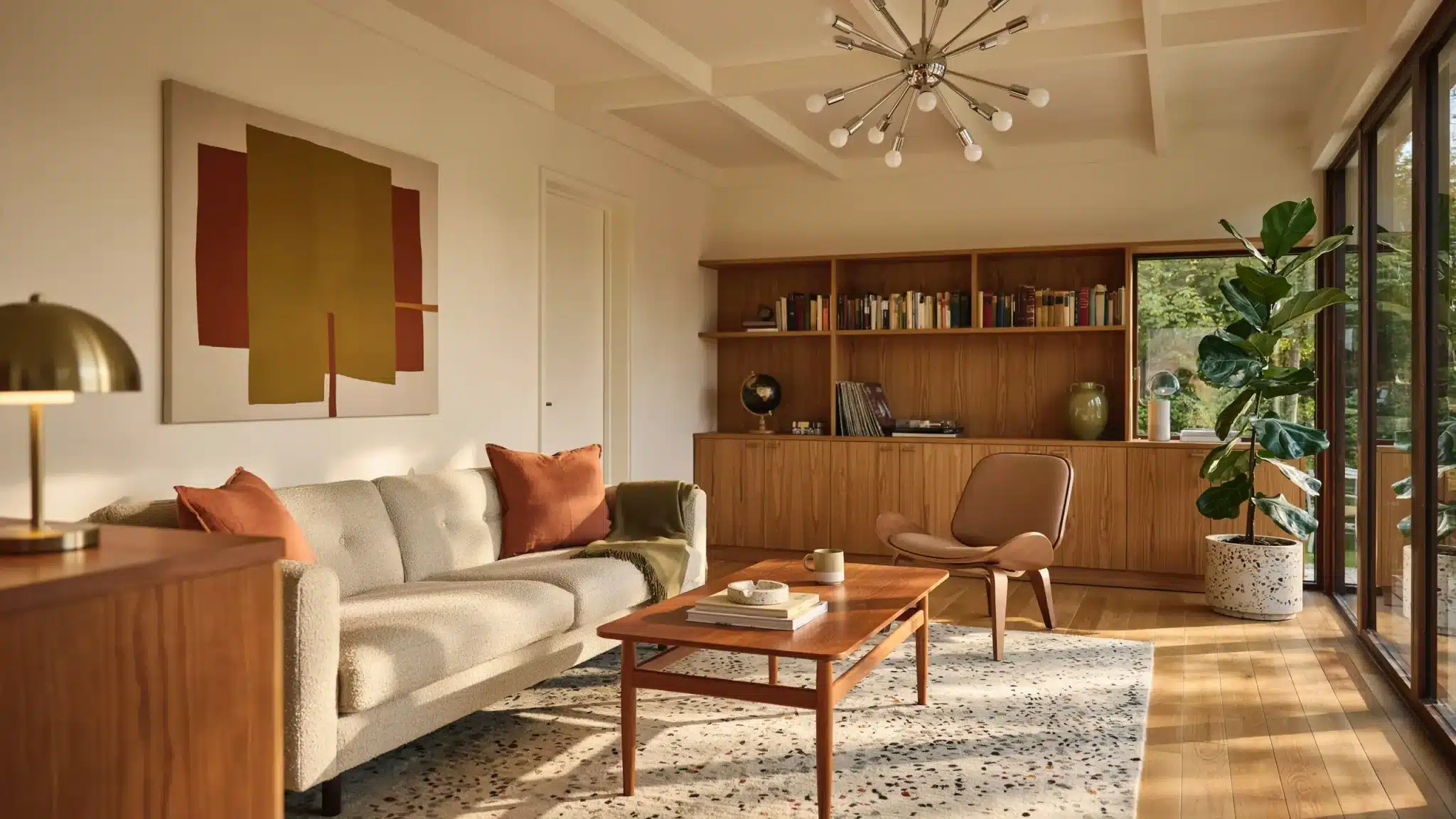
One of the easiest ways to make a small space feel bigger is through colour. Light, neutral tones on walls, ceilings and even furniture reflect more natural light, instantly opening up a room and making it feel larger than it really is. Soft shades of white, cream or pastels act as a blank canvas, allowing items to shine whilst not overwhelming the space.
Flooring can play a crucial role here too. Light-toned parquet flooring, for example, brightens a room and adds texture that draws the eye. Where plain flooring can appear sterile and uninspired, the patterning of parquet adds visual interest, making the space feel thoughtfully crafted rather than cramped. Add some complementary neutral tones or minimal rugs to maintain the feel.
Smart furniture choices
In limited spaces, furniture plays a dual role. You need to consider storage AND comfort. This can present challenges if not thought through. Ottomans, nesting tables, foldable desks and more should all be high on the shopping list. When these items are in place, your room won’t feel cluttered or difficult to navigate. Scale is essential. Large sofas or armchairs make your room feel boxed in and unwelcoming to guests. Slimmer items allow the eyes to take in more of the room and prevent it from feeling cramped.
As with the colour and lighting we mentioned earlier, your floor also plays a part. A herringbone pattern living room flooring, for example, creates natural lines that lead the eye through the room. By positioning seating along these lines, you emphasise the floor’s flow and give the impression of more space.
This doesn’t mean any furniture will work, though. Consider how the shape and style of your furniture interacts with the floor pattern. A flowing herringbone layout, for example, works best with open, low-profile arrangements.
The importance of vertical space
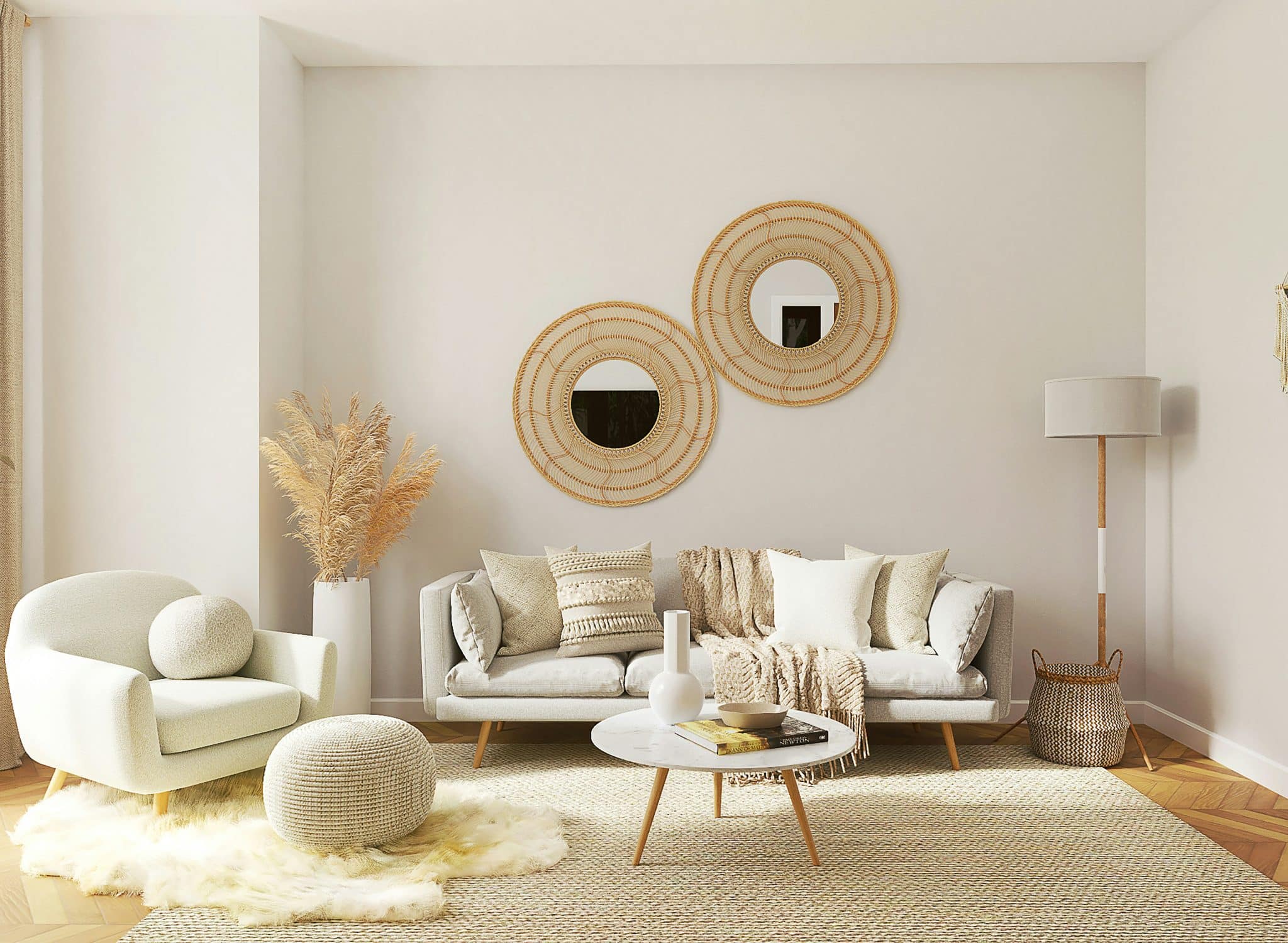
When horizontal space is limited, look to vertical solutions! Shelves, wall-mounted cabinets and tall bookcases free up floor space while also providing essential storage. Hanging plants, artwork and mirrors draw the eye upwards, adding visual height to the room. Mirrors, in particular, are great for this as they reflect light and naturally make a room feel larger.
Again, your often-overlooked flooring can help here too. A diagonal or herringbone flooring pattern automatically stretches the room visually and enhances the perception of height and depth.
Textures and patterns
Texture is another valuable tool to utilise. By layering soft textiles such as throws, cushions and rugs, you make your room feel cosy and inviting. By adding subtle textures or decorative panels to walls, you add interest without clutter. This can be enhanced by adding rattan furniture, woven baskets or textured wall art. These alterations allow your room to feel carefully curated, unique and dynamic. The eye catches various design elements without the room appearing overbearing or cramped.
Flow and layout
The arrangement of your furniture is also essential. A subtle change can transform a cramped space into a welcoming, comfortable, clear room. By keeping pathways clear and aligning furniture, movement feels natural and not awkward. Think about zones, too. Even in a small room, a dedicated workspace, seating area, or reading nook is all possible with strategic thinking and clever positioning.
Mirrors, area rugs, and lighting help create a feeling of openness and define specific areas within a room. Mirrors reflect light and visually expand the space, while rugs can designate functional zones without adding bulk. Layered lighting, including overhead, task and accent, further helps to divide the room, making it feel larger and more inviting.
Pair these with open shelving, multi-purpose furniture or furniture positioned diagonally to encourage movement and maintain a sense of space.
Finishing touches and accessories
Accessories are your way to make a statement without going overboard. Curated décor items, mirrors and statement lighting add a touch of your personality. These small additions can be enough to draw the eye around the room and make it feel more complete.
Even in the most cramped spaces, well-chosen additions to the room can dramatically elevate the aesthetic.
Small spaces present unique challenges, but they also offer an opportunity to get creative. With light colours, smart furniture, vertical storage and suitable accessories, you can make a smaller room feel more inviting and spacious. From the flooring that can add dimension, elegance and flow, to the furniture that maximises function without crowding the space, every detail works together to create a room that feels larger, balanced and thoughtfully designed. With a few intentional choices, even the coziest room can make the biggest impact.