Urban spaces are stretching skywards and sprawling outwards as never before. Cityscapes filled with towering buildings, crowded streets, and vibrant communities have become the hallmark of modern living. However, amidst this architectural flourish, a fundamental area often receives scant attention: the comfort of those who reside in these urban dwellings. The dynamics of residential comfort are tightly intertwined with the quality of life, and it is imperative that they are understood and optimized. Failure to do so will lead to growing dissatisfaction in the cities we call home.
The Density Dilemma
Urbanization often means individuals are packed like sardines into limited spaces. The pursuit of more extensive housing arrangements has become secondary to maximizing available areas. This results in reduced personal space and increased stress. Personal space is not just a luxury; it directly influences mental well-being. As cities continue to expand upwards and outwards, inhabitants question the true cost of this relentless growth.
In an environment where space is at a premium, the ability to carve out personal sanctuaries becomes a challenge. Innovative utilization of available space through modular furniture and multi-functional areas can help alleviate some of the constraints. Meanwhile, urban planners must engage with communities to understand how best to address overcrowding, from developing new zoning laws to creating shared amenities that compensate for limited personal space.
Environmental Concerns
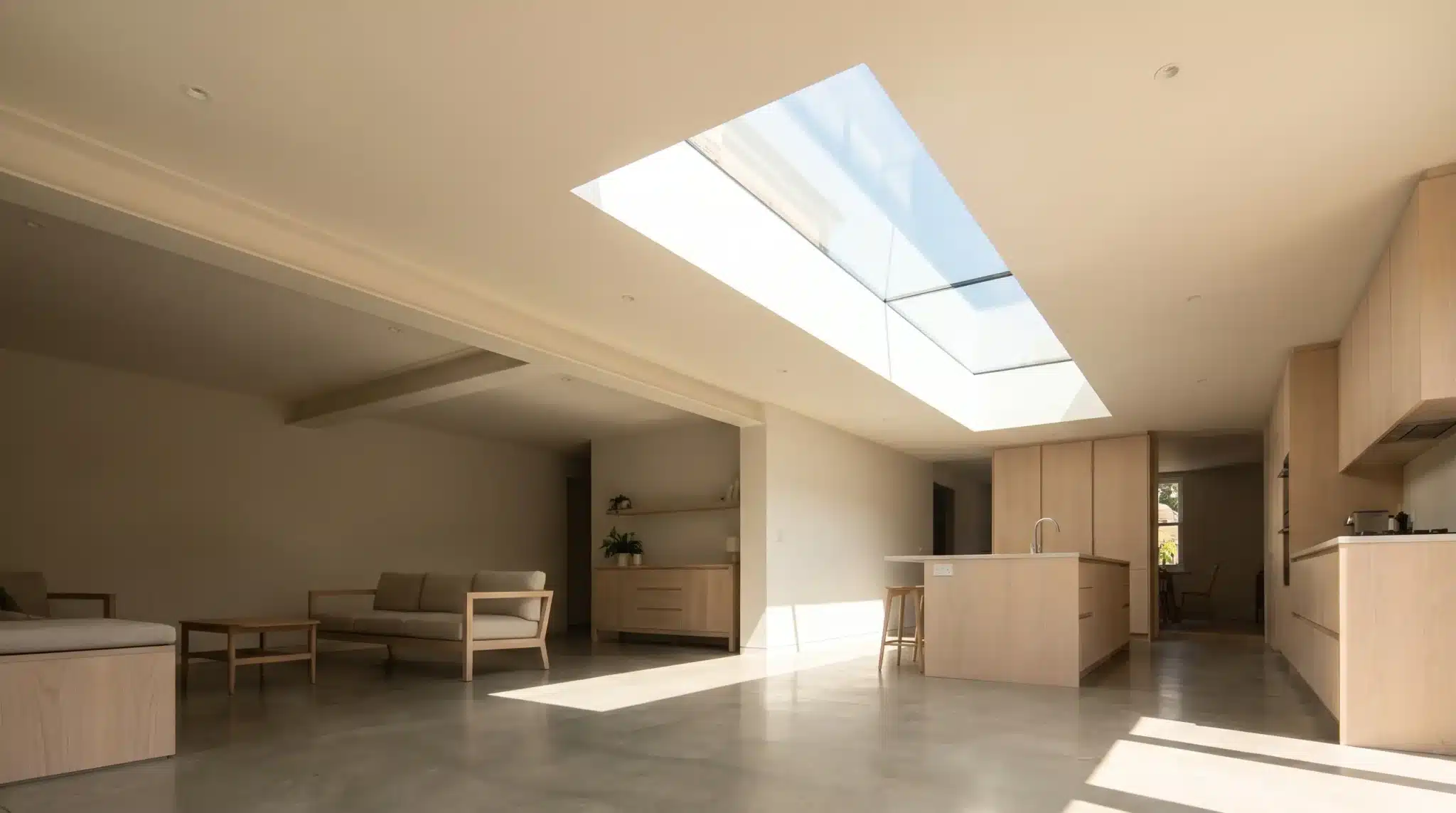
The very designs of our homes have environmental consequences that vastly impact comfort. Poorly ventilated spaces and insufficient natural light are widespread problems in these densely built environments. Air quality, both indoors and outdoors, suffers, reducing overall comfort and directly affecting the health of residents. Architectural practices must adapt by prioritizing natural ventilation and maximizing daylight exposure in building designs.
Sustainable urban ecosystems should also consider how green areas integrate with residential spaces, providing nature-infused escapes for inhabitants. The balance between maintaining urban density and preserving green spaces not only sustains biodiversity but also enriches urban comfort. For those who occupy high-rise apartments, rooftop gardens can offer both a respite and an enhancement of air quality, all while contributing to the surrounding environment’s overall aesthetic.
Sound and the City
Urban life is synonymous with noise, from the incessant honking of traffic to the humdrum of daily life. Soundproofing remains an overlooked aspect of urban planning, even though noise pollution is a prevalent issue affecting countless urban dwellers. Soundproofed windows and walls can significantly enhance residential comfort, yet they are often considered an afterthought during construction.
The impact of sustained exposure to noise pollution extends beyond immediate discomfort, affecting sleep patterns, concentration, and overall mental health. To address this, urban planners and architects should consider acoustic designs that naturally dampen noise through the use of insulating materials and the thoughtful placement of residential buildings. Moreover, promoting softer landscapes in public spaces can help absorb ambient noise and create a more harmonious auditory experience.
In addition to soundproofing, effective climate control is crucial in urban residential spaces. Many city dwellers rely on professionals to maintain comfortable living conditions year-round. Consulting heating, cooling, and plumbing experts, like King Heating in Chicago, Illinois, can guide inhabitants on implementing the most efficient systems tailored to their specific building designs, ensuring optimal indoor comfort.
Energy Inefficiencies
Many urban residents are saddled with inefficient energy solutions that make everyday living arduous. Cripplingly high energy bills are a constant source of stress, and reliance on aged heating systems exacerbates discomfort during colder months. A shift towards integrating sustainable energy solutions is paramount. Cities must encourage urban designers to incorporate more energy-saving measures and adopt green architectural standards that prioritize comfort and sustainability.
The increased implementation of solar energy systems in residential buildings is a promising avenue for harnessing renewable energy while reducing dependency on traditional grids. By investing in energy-efficient technologies, cities can decrease carbon footprints and support more harmonious living conditions. A holistic approach encompassing energy-efficient appliances, smart thermostats, and better insulation can collectively form the backbone of a new era in energy-conscious urban living.
Community and Connection
The essence of urban dwelling extends beyond the four walls of an apartment. A sense of community can greatly affect levels of satisfaction and comfort. Tightly knit neighborhoods encourage social interaction and create supportive environments. Future urban planning should emphasize incorporating communal spaces, parks, and leisure facilities to nurture relationships among residents.
Building a robust social fabric within urban centers promotes resilience, improves morale, and creates a sense of belonging among residents. By consciously designing public spaces that engage neighbors and foster communication, cities can mitigate feelings of isolation often associated with high-density living. Such initiatives include community gardens, shared kitchens, or multi-use halls, each serving as a hub for local gatherings and cultural exchanges.
Adapting To Future Needs
The rapid evolution of urban habitats shows no signs of slowing. This ever-changing environment requires proactive innovation in the design and building of residential spaces. Ensuring comfort necessitates architects and city planners to look beyond superficial aesthetics and focus on factors genuinely improving daily living for the residents. As residential needs change, housing solutions must remain flexible and adapt to the demands of future urban explorers.
Architects should be equipped to envision adaptable spaces where technological advancements are seamlessly integrated into daily life. Home environments that embrace automation enable urbanites to enjoy personalized, comfortable, and efficient living spaces. Encouraging collaborations across disciplines and advancing lightweight construction materials will lead to housing solutions that cater to varied needs and anticipate future demands in the ever-vibrant urban landscape.
Conclusion
The transformation of urban living presents challenges and opportunities alike. Addressing these challenges head-on is crucial to ensuring that our cities remain comfortable, livable, and conducive to individual well-being. Prioritizing comfort should be the cornerstone of future urban dwelling design, ensuring that the promise of city living truly meets the expectations of its inhabitants.