Avoiding water damage rarely comes down to a single product. It is usually a series of small, well-made decisions that hold everything together when moisture tries to find a way in. While membranes get most of the attention, the supporting materials do much of the work.
That said, choosing the right waterproofing accessories early on helps prevent minor vulnerabilities from turning into major repair jobs. Ignore them, and even a well-installed system can start to unravel sooner than expected.
Why Weak Points Often Decide System Performance
Waterproofing doesn’t usually fail in the middle of a wide, open surface. That part is relatively straightforward. The trouble tends to show up where surfaces intersect or materials change. Floor meeting wall, wall meeting wall, or edges where cuts were made in a hurry. These are the areas that carry stress, even when everything looks still.
Buildings shift. Not dramatically, but enough. A slight settlement here, a temperature change there. Over time, those small movements add up. Rigid seals don’t always handle that kind of pressure well. They begin to fatigue, fine cracks appear, and then moisture starts working its way in.
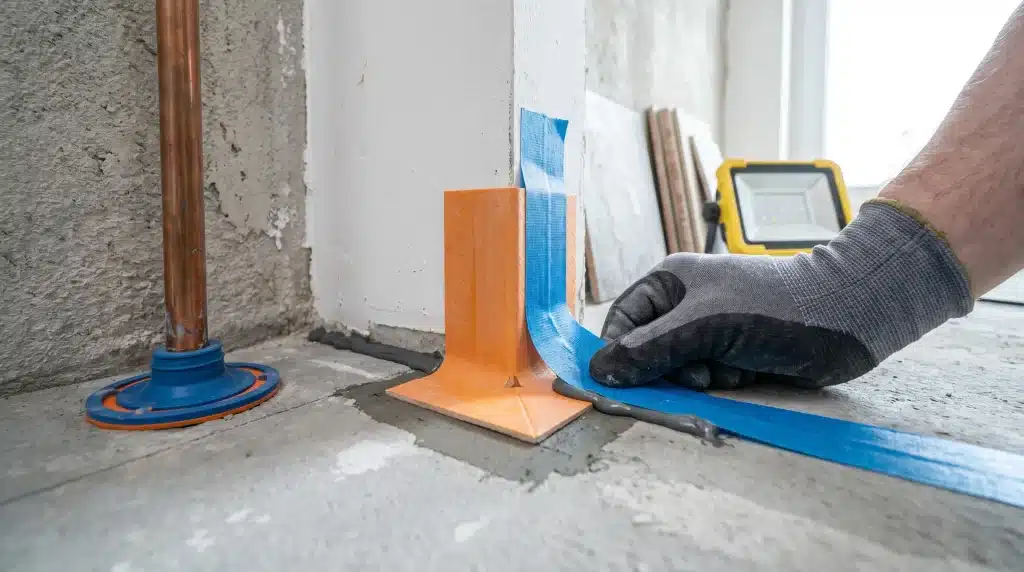
That’s where reinforcement tapes and bond breakers earn their place. They introduce flexibility into areas that would otherwise be too brittle. Instead of resisting movement completely, they accommodate it. The result is a seal that holds together, even when the structure around it shifts slightly.
Getting Corners Right Without Guesswork or Gaps
Corners have a way of looking simpler than they are. At first glance, they seem like just another section to coat and move on. In practice, they’re one of the easiest places to get wrong.
Liquid waterproofing products can be tricky here. Apply too much in one go and the material may cure unevenly, leading to splits. Go too light, and you risk thin patches that weaken over time. Add awkward angles into the mix, and consistency becomes difficult to maintain.
Prefabricated corner pieces offer a more controlled approach. They’re shaped to fit precisely, which takes away much of the uncertainty. Instead of trying to build up layers manually, you’re placing a component designed to deliver the right thickness from the start.
It’s a cleaner process that is also fast. More importantly, it produces a result that is consistent from one corner to the next. No guesswork or uneven build-up. Just a reliable seal in a spot that tends to be under constant stress.
Handling Pipes and Drains with Proper Sealing Solutions
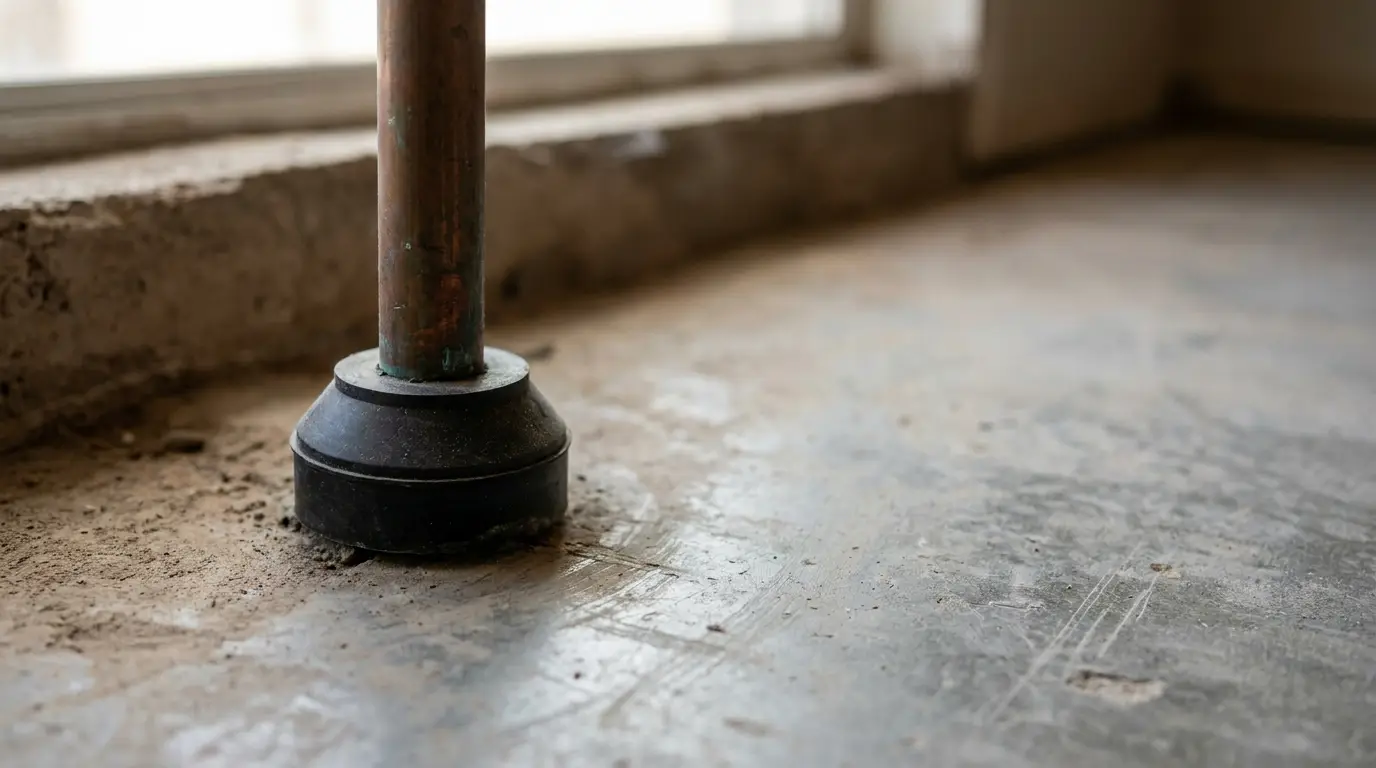
Every time a pipe or fitting passes through a surface, it creates an interruption in the waterproofing layer. These penetrations are unavoidable, but they do demand careful attention. Each one is a potential entry point for water if not handled correctly. Standard sealants can seem like the quickest fix. Apply, smooth over, move on. The issue is longevity. Over time, especially when hidden beneath tiles or exposed to gradual movement, these sealants can degrade. They shrink, separate, or lose adhesion.
Purpose-made collars and sleeves are designed with these challenges in mind. They wrap tightly around pipes and integrate with the surrounding waterproofing system. Instead of sitting on the surface, they become part of the barrier itself. That integration makes a difference. It creates a seal that can move slightly with the structure, rather than pulling away from it. The fit is more secure. The lifespan, generally longer.
Drains bring their own set of considerations. Water naturally collects and moves toward these points, so any weakness here tends to show up quickly. A well-designed flange helps guide water cleanly into the drainage system, reducing the chance of pooling or seepage around the edges. It’s not just about sealing the opening but rather directing water where it should go, every time.
The Real Cost of Cutting Corners
There’s always pressure to manage costs. And it’s usually the smaller items that get trimmed first. After all, they’re not the most visible parts of the project. No one walks into a room and admires a bond breaker or a pipe collar. But water doesn’t care about visibility.
Once it finds a way in, the damage spreads gradually. Timber absorbs moisture and begins to swell or rot. Adhesives weaken. Tiles loosen. In some cases, mould starts to develop behind the scenes, long before there’s any obvious sign.
By the time something looks wrong on the surface, the problem is often well established underneath. Repairs at that stage rarely stay minor. Sections need to be removed. Layers rebuilt. Sometimes entire areas redone from scratch. That’s where the real cost shows up. Not just in materials, but in time, disruption, and inconvenience.
Spending a bit more upfront on well-designed accessories isn’t about overengineering the job. It’s about reducing risk. Quietly stacking the odds in your favour so that small issues don’t have room to grow.
Final Thoughts
A reliable waterproofing system isn’t defined by a single component. It works because each part supports the others, forming a continuous, resilient barrier. Membranes play their role, certainly. But it’s the accessories that reinforce the system where it’s most vulnerable.
When those pieces are chosen carefully and installed with intent, the result feels solid. Not just on day one, but over time, as the structure settles and conditions change.
Durability doesn’t come from one decisive step. It’s built gradually, detail by detail. The kind of approach that doesn’t always stand out in the moment, but proves its value later, when everything is still holding exactly as it should.